
We Were Just Surviving, Not Living
A Story About Living

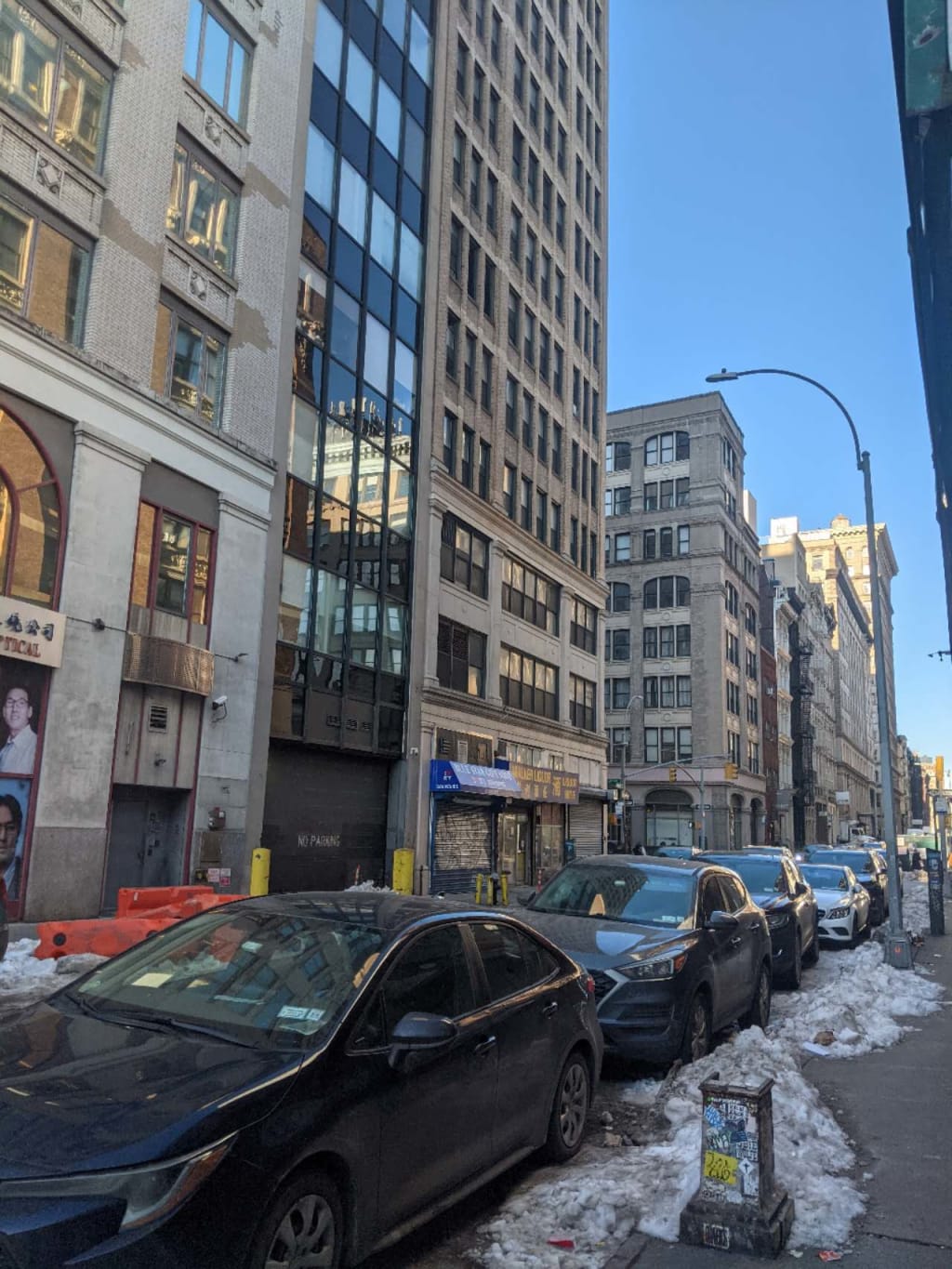
The alarm rang at 5:42 a.m., the same shrill digital scream it had made every weekday for the past six years.
Lena reached over me to turn it off.
For a moment, we lay there in the dim gray light of early morning, staring at the cracked ceiling of our one-bedroom apartment in Queens. The radiator hissed like it was tired too.
“You awake?” she asked softly.
“I am now,” I muttered.
We didn’t kiss. We didn’t stretch lazily or joke the way couples do in commercials.
We calculated.
Time. Money. Energy.
Lena had to be at the hospital by 7:00. I had to clock in at the logistics warehouse by 8:30. The subway would take forty-five minutes if it cooperated.
Our son, Mateo, would wake up in twenty minutes, hungry and unaware of how thin the margins of our life had become.
We weren’t living.
We were managing.
1. The Plan We Once Had
When Lena and I met in Chicago, we had a different vocabulary.
We used words like adventure and someday.
She was in nursing school. I was studying graphic design, convinced I would build something meaningful—brands with purpose, campaigns that told stories.
We used to sit on the steps outside her apartment, eating cheap takeout, talking about the future.
“We’ll move somewhere exciting,” she said once. “Maybe New York. Or Seattle.”
“I’ll start my own studio,” I replied. “You’ll work three days a week. We’ll actually have time.”
“Time for what?”
“Everything.”
We believed time was elastic.
We believed opportunity was patient.
Then life accelerated.
Student loans. Rent increases. Mateo’s surprise arrival a year before we planned.
The move to New York wasn’t romantic. It was strategic. More jobs. Higher pay.
We told ourselves it was temporary.
Everything was temporary.
2. The Routine
By 6:15 a.m., Lena was in the shower. I was in the kitchen packing lunches.
Peanut butter sandwich for Mateo.
Leftover rice and chicken for me.
Protein bar for Lena.
We moved around each other like coworkers on a tight shift.
“Did you pay the electric bill?” she asked, brushing her hair quickly.
“Yeah. It cleared yesterday.”
“Good.”
A pause.
“Rent’s due next week.”
“I know.”
Mateo padded into the kitchen, his hair a wild halo.
“Daddy,” he said, rubbing his eyes. “Are you home tonight?”
The question hit harder than it should have.
“I’ll try, buddy.”
Try.
He nodded, used to that answer.
3. The Warehouse
The warehouse smelled like cardboard and diesel.
I stood on the concrete floor for eight hours a day, scanning packages, stacking boxes, moving inventory that belonged to other people’s lives.
I watched the clock obsessively.
9:12 a.m.
10:47 a.m.
1:03 p.m.
Time didn’t feel elastic anymore. It felt mechanical.
My coworker Marcus leaned against a stack of crates during our break.
“You ever feel like this isn’t it?” he asked.
“Isn’t what?”
“Life.”
I shrugged.
“It pays.”
He snorted.
“Barely.”
I didn’t disagree.
I thought about my design degree, framed and gathering dust in our closet.
I thought about the freelance projects I once dreamed of.
When was the last time I opened Illustrator for something that wasn’t unpaid?
We weren’t chasing dreams.
We were chasing invoices.
4. Lena’s Silence
Lena’s job was harder.
She worked twelve-hour shifts in a public hospital. She saw things most people avoided thinking about.
One night, she came home after midnight, her face pale.
“Bad shift?” I asked.
She nodded, slipping off her shoes.
“A kid,” she said quietly. “Car accident.”
She didn’t say more.
She didn’t have to.
I wrapped my arms around her.
She leaned into me for a moment, then pulled away.
“I have to sleep,” she said.
We were both exhausted.
But not in the same way.
5. The Argument
The fight started small.
It was always something small.
“Why is there another charge on the credit card?” Lena asked one evening.
“It’s for groceries,” I said.
“It’s $162.”
“Food costs money.”
She exhaled sharply.
“I’m not blaming you. I’m just—”
“Just what?”
“Just tired.”
“So am I.”
The silence that followed was thick.
Mateo sat at the table, pushing peas around his plate.
“We’re doing everything right,” Lena said finally. “Why does it still feel like we’re drowning?”
I didn’t have an answer.
Because the truth was too simple.
We weren’t drowning because we were irresponsible.
We were drowning because survival was expensive.
6. The Moment
It happened on an ordinary Tuesday.
I left work early because my shift was cut unexpectedly. Budget adjustments.
I didn’t tell Lena.
I didn’t want her to worry.
Instead, I went to Mateo’s school for his afternoon assembly. I had forgotten about it until that morning.
I stood in the back of the auditorium as children sang off-key songs about seasons and gratitude.
Mateo scanned the crowd nervously.
When he saw me, his face lit up.
Actually lit up.
He waved so hard the teacher had to gently lower his arm.
In that moment, something inside me cracked.
Not from pain.
From realization.
He didn’t care about the rent.
He didn’t care about promotions.
He cared that I showed up.
When the assembly ended, he ran into my arms.
“You came!” he said.
“Of course.”
He grinned.
For the first time in months, I didn’t feel like I was barely holding things together.
I felt present.
7. The Conversation
That night, after Mateo fell asleep, I told Lena about the assembly.
She smiled faintly.
“He talked about it all afternoon,” she said.
We sat at the kitchen table, the same place where bills usually dominated the conversation.
“We can’t keep doing this,” I said.
“Doing what?”
“Just surviving.”
She looked at me carefully.
“What’s the alternative?”
I hesitated.
“I don’t know yet. But this isn’t sustainable.”
She leaned back in her chair.
“You think I don’t know that?” she asked quietly.
Her voice wasn’t angry.
It was raw.
“I miss you,” she said.
“I’m right here.”
“No. You’re not.”
The words landed hard.
“You’re tired. You’re stressed. You’re somewhere else even when you’re home.”
I opened my mouth to defend myself.
Then closed it.
She was right.
I had been physically present, emotionally absent.
Because I was afraid.
Afraid that if I stopped hustling, everything would collapse.
“We’re just living paycheck to paycheck,” she continued. “And it feels like that’s all we are.”
“We’re more than that,” I said.
“Are we?”
The question lingered between us.
8. The Risk
The idea terrified me.
But it wouldn’t leave.
Two weeks later, I reduced my warehouse hours.
Not dramatically. Just enough to create space.
I picked up freelance design work again. Late nights at first. Small clients.
The first project paid less than a week at the warehouse.
But when I sent the final draft to the client and saw their excitement, something stirred inside me.
I remembered who I used to be.
Lena noticed too.
“You’re smiling more,” she said one evening.
“So are you,” I replied.
She hesitated.
“I applied for a different position,” she admitted. “Fewer hours. Slightly less pay.”
My stomach tightened.
“Can we afford that?”
She met my eyes.
“Can we afford not to?”
It was a gamble.
But so was staying stuck.
9. The Shift
The months that followed were not easy.
Money was tighter.
We budgeted carefully. Said no to extras.
But something changed.
We ate dinner together more often.
We went to the park on Sundays.
We laughed again—awkwardly at first, then freely.
One evening, sitting on a worn-out picnic blanket while Mateo chased pigeons, Lena squeezed my hand.
“This,” she said softly.
“This what?”
“This feels like living.”
Not extravagant.
Not glamorous.
But intentional.
10. The Truth
We still work hard.
We still worry about bills.
Life is not magically easy.
But we are no longer just surviving.
We are choosing.
Choosing time over overtime when we can.
Choosing presence over panic.
Choosing to believe that life is more than endurance.
Sometimes survival is necessary.
But survival alone is not enough.
The alarm still rings at 5:42 a.m.
The radiator still hisses.
The city still moves fast.
But now, when Lena reaches over to turn off the alarm, she rolls toward me afterward.
“Coffee?” she asks.
“Together,” I say.
And for a few quiet minutes, before the world demands everything again, we sit side by side.
Not calculating.
Not rushing.
Just breathing.
Not just alive.
Living.
About the Creator
Veil of Subconscious Awakening
Images slide behind my eyelids like film cadres, bursting with meanings. In one moment, I’m speeding down the highway, making the speedometer swing wildly like a frantic pendulum. The next moment, I’m plunging from a falling plane, slowly crashing earthward. At home, I meet black cat’s green, googly eyes staring at me from the cavernous hollowness of the kitchen. When I turn for a moment, it disappears, and all I can see is a pair of blue suede shoes set up against the wall. I pick them up and put them on. When I glimpse at them again, they’ve become black as night, making me blink and flinch.
By Moon Desert5 days ago in Fiction
Tranquility of the heart and mind
The stillness that settled in the aftermath of your departure was not a void, but a canvas. Twenty-five years, woven with the vibrant threads of our shared existence, had painted a masterpiece. Now, with your colors no longer beside mine, I found a strange peace in the quiet hues that remained. It wasn't an absence of feeling, but a profound acceptance, a gentle hum beneath the surface of my being. The maker, in His infinite wisdom, had called you home, and though my heart ached with the echo of your laughter, it also resonated with the deep, abiding tranquility that your memory bestowed.
By Vera Myles4 days ago in Fiction




Comments
There are no comments for this story
Be the first to respond and start the conversation.