
How to Deal with a Toxic Parent Without Losing Your Mind
My Journey from Guilt to Peace

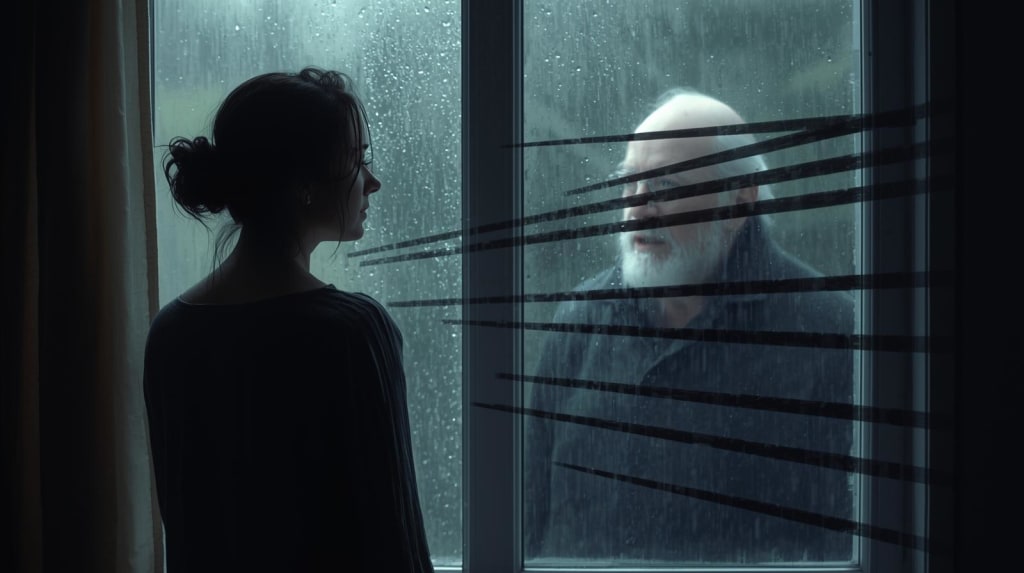
For most of my life, a phone call with my mother felt like walking through a field of emotional landmines. I would take a deep breath, pick up the phone, and hope for the best. But it always followed the same path.
Hello, beta, she would say. Then, without a pause, the questions would start. Why is your hair like that in your profile picture? You look tired. Are you eating? You know, your cousin just bought a new house. When will you settle down? Her words were not of care, but of criticism and comparison. Every conversation left me feeling small, inadequate, and full of a strange guilt I could not explain.
I spent years trying to fix it. I thought if I could just explain myself perfectly, she would understand. I would list my achievements, hoping for a shred of approval. I would defend my life choices, asking her to see my point of view. It was like talking to a brick wall. The criticism just changed shape. If I got a promotion, she asked why I was not married. If I lost weight, she said I looked sick.
I was losing my mind. I felt angry all the time. I would cry after every call. My friends would tell me to just ignore her, but they did not understand. She was my mother. I loved her, but she was poisoning my peace.

The turning point came during a therapy session. I was explaining another painful call, and my therapist said something that changed everything. You are trying to get water from a dry well. The well is not going to suddenly have water. You have to stop going to it with your bucket.
It was a simple idea, but it felt like a lightning bolt. I was waiting for my mother to be someone she was not capable of being. I had to change my own actions.
I started with a few small but powerful steps.
First, I lowered my expectations. I accepted that my mother might never give me the unconditional praise or support I wanted. This was not about forgiving her or saying her behavior was okay. It was about accepting reality to stop feeling the constant disappointment. I stopped hoping for a different reaction. This one shift took away a huge amount of the pain.
Second, I learned to set gentle but firm boundaries. This was the hardest part. A boundary is not a wall to keep people out. It is a line you draw to protect your own peace.

I started small. During our calls, when she began to criticize, I would calmly say, Mom, I am not going to discuss my weight. If you continue, I will have to end the call. The first time I said this, she was silent for a moment, then angry. She accused me of being disrespectful. My heart was pounding, but I quietly said, I understand you are upset, but my point remains. I love you, and I will talk to you next week. Then I hung up.
It was terrifying. I felt like the worst daughter in the world. But for the first time, I had protected myself. I was not rude. I was clear.
I also created time boundaries. I stopped answering her calls during my work hours or late at night. I scheduled our talks for times when I felt strong and had a time limit. This stopped the conversations from draining my entire day.
Third, I built my own support system. I could not get emotional validation from my mother, so I found it elsewhere. I leaned on my chosen family—my close friends, my partner, and a support group for people with difficult parents. They became my well. They celebrated my wins and comforted me on bad days. Their support filled the empty space my mother left.
Finally, I practiced self-compassion. On days when her words got to me, I stopped being hard on myself. I would acknowledge the hurt. It makes sense that you feel sad, I would tell myself. Anyone would. Then, I would do something kind for myself, like taking a walk or watching a favorite movie.
This journey did not happen overnight. There were setbacks. Some days I cried. Some days I got angry. But slowly, something changed. The phone calls lost their power over me. They became shorter, more surface-level. I stopped seeking her approval, so her criticism could not find its target.
My mother did not change much. The dry well is still dry. But I changed. I stopped going to the well with my bucket. I found other sources of water.
I learned that dealing with a toxic parent is not about changing them. It is about changing how you respond to them. It is about protecting your mind and heart, even when it feels guilty. You can love someone from a distance. You can wish them well without letting them destroy your peace.
Your sanity is not negotiable. Protect it.

Moral of the Story:
You cannot change a toxic parent, but you can protect your peace by lowering your expectations, setting firm boundaries, and building a strong support system outside of them.
About the Creator
The 9x Fawdi
Dark Science Of Society — welcome to The 9x Fawdi’s world.
Keep reading
More stories from The 9x Fawdi and writers in Families and other communities.
Letters Between the Lines
In a dusty corner of the Oakbridge University library, nestled between the aisles of forgotten literature and fading journals, Elara found her favorite escape. Table 12—close to the poetry section and far enough from the noisy study groups—was where she spent her afternoons buried in books and scribbling thoughts in her worn leather journal.
By The 9x Fawdi7 months ago in Families
Weaknesses
Her name is Nazia, and her husband, Ryan, was loving and caring, treating her with the gentleness of a devoted partner. They were living a joyful life until one day, Ryan had a severe car accident. Due to his carelessness, he hadn’t fastened his seatbelt, resulting in significant injuries. Thankfully, he survived, but the accident changed everything.
By Sudais Zakwan6 days ago in Families
12 Birthday Party Activities for Kids That Don't Require a Pinterest PhD
You don't need to spend three weeks crafting elaborate decorations or refinance your house for a bouncy castle. The best birthday party activities for kids are the ones that actually work: low prep, high chaos, maximum fun.
By Ben Robertson5 days ago in Families
One Unchecked Box
"Republished" because it was the only way to add the embed for the newly recorded audio version of this story due to the Top Story badge. Plus it serves as a nice, informal announcement of the podcast's revival for another season (go subscribe!):
By Stephen A. Roddewig6 days ago in Fiction




Comments
There are no comments for this story
Be the first to respond and start the conversation.