
Your journey to safe and clear breathing
Are your lungs getting the care they should be & how do I help them if not?
Cigarette smoking cuts 12-13 years off your life expectancy and severely limits your lung capacity. Your lungs start to heal right after you smoke your last cigarette, and you'll notice easier breathing within the first year. Lung diseases now affect all but one of these five people and stand as England's third leading cause of death. This makes breathing health crucial for everyone.
The good news is that you can substantially improve your breathing whatever your current condition. This Article will show you ways that work to enhance your lung function - whether you're healing from smoking, living in polluted areas, or just want better breathing capacity. Our new special Lung health supplement is what you need but You'll also find practical ways to boost your lung health naturally, from exercises that increase your breathing rate from 15 to 60 times per minute during activity to simple diet changes that shield lung tissue. If you've quit smoking or vaping recently, you'll also learn specific methods to help your lungs heal and realise their full potential for recovery.
How your lungs work and why they’re essential
Your lungs are amazing organs that never stop working throughout your life. These spongy, pinkish-gray structures sit in your chest as the core of your respiratory system. They handle everything in the gas exchange that keeps your body's cells working.
The Role of lungs in oxygen exchange.
Air moves through your windpipe into bronchial tubes that spread throughout your lungs as you breathe. The real magic happens in tiny balloon-like air sacs called alveoli at the end of these airways. Blood vessels called capillaries, just one cell thick, surround these alveoli to create a quick exchange surface. Oxygen passes through this air-blood barrier into your bloodstream, while carbon dioxide moves out to complete this life-sustaining cycle.
Your lungs can process 5-8 liters of air per minute while you rest and transfer about 0.3 liters of oxygen to your blood each minute. These numbers can jump to over 100 liters of air and 3 liters of oxygen per minute during exercise. This amazing capacity helps you build a stronger respiratory system through activity.
How smoking and pollution effect your lung tissue
Cigarette smoke sends high doses of carcinogens and toxins straight to your respiratory tract. Your body responds to this damage with inflammation, sending immune cells like neutrophils, macrophages, and various T lymphocytes into the lung tissue.
The damage goes beyond inflammation. Smoking breaks down your lungs' natural defenses by disrupting their mucus-clearing system and damaging protective barriers in your airways. PM2.5 dust particles and other pollutants can stick to lung tissue, causing long-term inflammation that might trigger cellular changes and cancer growth.
- Ready to kickstart your journey to clear lungs with the #1 respiratory product in the world right now? Lets have a look https://d4c78xyec9brgt4jj7q5nytjdm.hop.clickbank.net
Can our lungs heal themselves?
Now your lungs do know how to repair themselves however, these self-cleaning organs start healing as soon as you stop exposing them to harmful substances. Research in Nature shows that former smokers' lung cells can look similar to those of people who never smoked, and thats up to 40% of them.
Now unfortunately some smoking damage lasts forever, especially emphysema that destroys alveoli. Yet other parts of lung function can bounce back significantly. Your lungs clean themselves by making mucus that traps unwanted substances. Tiny hair-like structures called cilia push this mucus up and out of your airways. These cleansing mechanisms work better after quitting smoking. You might cough more at first, but that's actually good news because it means your lungs are cleaning themselves.
What would happen if I quit smoking right now?
Your body would begin an amazing healing process the moment you put out your last cigarette. The benefits of quitting smoking start almost right away and continue over decades, unlike many health changes that take months to notice.
Timeline of Lung recovery
Your heart rate and blood pressure start returning to normal levels just 20 minutes after your last cigarette. The carbon monoxide level in your blood drops by half within 8 hours, which lets oxygen levels recover. Your body clears out carbon monoxide completely after 48 hours, and your taste and smell improve as nerve endings start to heal. Breathing becomes much easier at the 72-hour mark when your bronchial tubes relax. Your circulation shows dramatic improvement between 2-12 weeks, and lung function increases up to 30%. This makes activities like walking and running easier. You'll notice less coughing and be able to breathe easier after 1-9 months as your lung function improves by up to 10% which I’m sure we can agree is better than no %. Your lung's cilia return to normal function and clean out mucus better, which reduces your risk of infection. Your heart attack risk drops to half that of a smoker at the 1-year milestone.
- Ready to kickstart your journey to clear lungs with the #1 respiratory product in the world right now? Lets have a look https://d4c78xyec9brgt4jj7q5nytjdm.hop.clickbank.net
Permanent vs Reversible damage
Your lungs can heal remarkably well. Like we discussed a bit previously, it was in fact nature published research showing that up to 40% of lung cells can look similar to those of non-smokers, even after 40 years of smoking. Dormant cells in your lungs start to replace damaged airway cells, which leads to gradual healing. In spite of that, some damage lasts forever. The tiny air sacs where oxygen exchange occurs (alveoli) cannot grow back once destroyed sadly. If you make the decision to quit smoking, you should stay alert because their risk of lung diseases like COPD remains higher than never-smokers, even decades after quitting.
Proven ways to drastically improve Lung health and capacity
Building stronger lungs doesn't need special equipment or medications – just daily habits that support respiratory health. Your respiratory system responds well to positive changes. You'll often see improvements within weeks of starting the following proven strategies…
1. Quit smoking and avoid second hand smoke
We've covered the timeline of lung recovery after quitting smoking in detail above. Note that secondhand smoke has the same harmful chemicals, so you need to limit exposure to keep your lungs healthy.
2. Stay physically active and consistent
Physical activity is the quickest way to strengthen your lungs. Exercise increases your breathing rate from 15 to 60 breaths per minute and trains your lungs to process oxygen better. You should get at least 20 minutes of moderately intense movement daily. Simple activities like brisk walking or cycling can boost your lung capacity over time.
3. Maintain breathing and diaphragmatic exercises
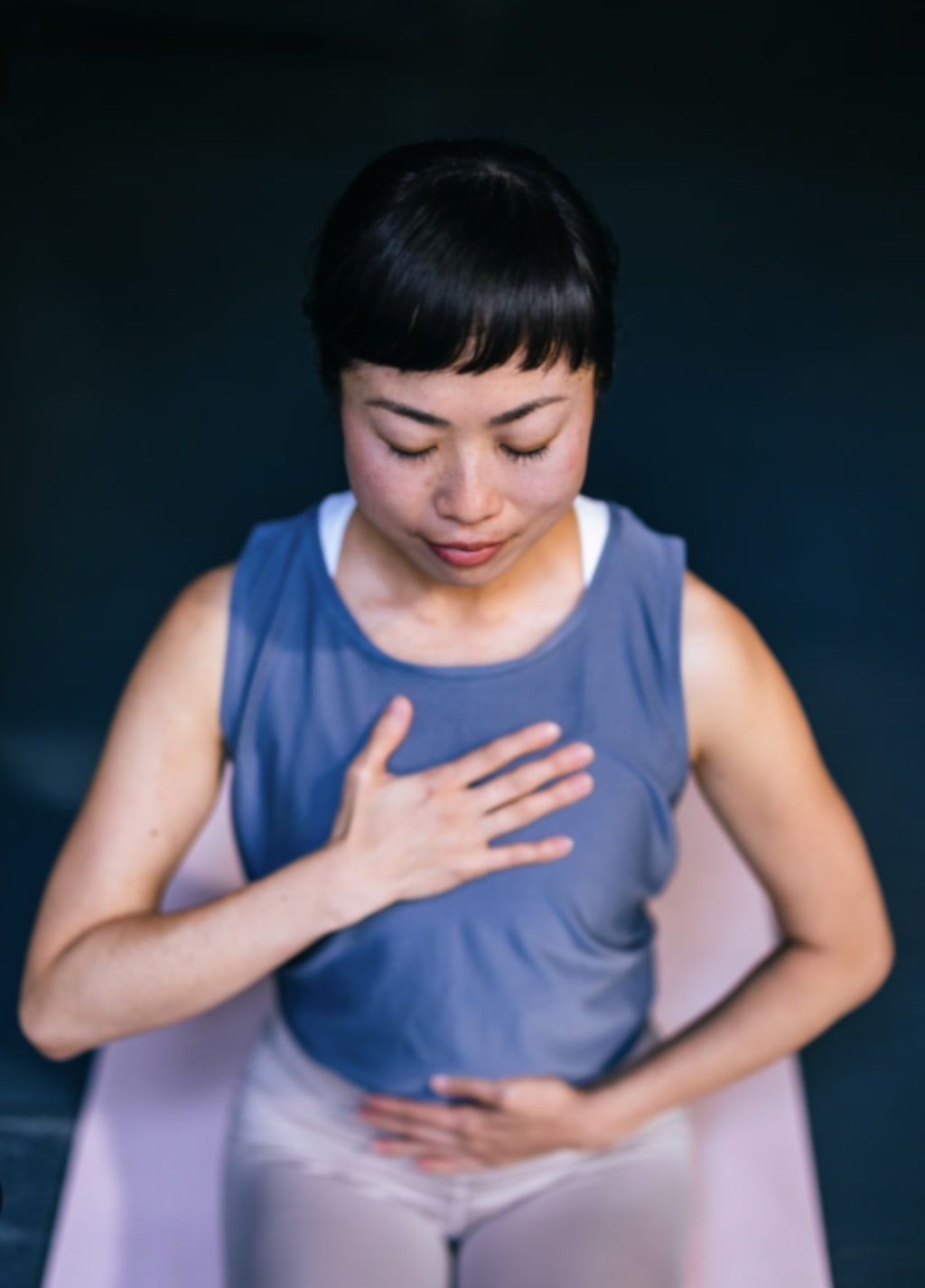
Breathing exercises make your lungs work better by clearing stale air and boosting oxygen levels. To do diaphragmatic breathing, place one hand on your chest and another below your ribcage. Breathe in through your nose until you feel your stomach expand. Then exhale through pursed lips for twice as long as your inhale. You'll see best results with 5-10 minutes of daily practice.
4. Avoid bad posture
Bad posture limits your lungs' expansion. Studies show that poor posture can reduce your diaphragm's strength by up to 9% compared to sitting upright. Standing or sitting tall creates more space in your thoracic cavity. This lets your lungs expand more fully and increases functional residual capacity.
5. Stay hydrated and replenished
Good hydration affects your lung function by keeping the mucosal linings thin. Your lungs work better and clear unwanted particles more easily when you're hydrated. Try to drink water throughout the day instead of large amounts at once.
6. Regular intake of vitamin D
Vitamin D is vital for respiratory health beyond bone maintenance. Research links vitamin D deficiency to higher risks of respiratory infections. This is common in people with lung conditions. Vitamin D helps your lungs' immune function and might reduce inflammation in respiratory tissues.
Additional supportive habits for long term lung strength
1. Steam therapy or warm fluids
Steam therapy is an old remedy that helps loosen mucus in your nose and lungs. Warm, moist air soothes irritated airways and thins mucus so you can clear it more easily. While studies show mixed results, many people feel relief from stuffiness, sinus pressure, and breathing problems.
2. Improving Lung health naturally
Better lung health comes from using several strategies together. Drink plenty of water to keep airway mucus thin. Get your flu and pneumonia shots to prevent infections that might harm lung tissue. Put carbon monoxide and radon detectors in your home to stay safe from these hidden dangers. Note that lungs can clean themselves and start healing once you stop exposing them to pollutants. The quickest way to better lung health is sticking to good habits every day.
3. Eating antioxidant rich foods
Your diet can affect your lung function directly. Foods packed with antioxidants shield lung tissue from damage and inflammation. Studies show people who eat more antioxidants have a 19% lower chance of chronic respiratory diseases. Eating apples and bananas regularly helps slow down the decline in lung function. Tomatoes work even better and slow FVC decline by 4.5 mL per year. Berries, leafy greens, whole grains, and turmeric are also great for your lungs. Eating fruits is the best weapon to challenge your immune system which will increase your life span in the long run.
Conclusion
Better lung health begins with a single breath. This piece explores your amazing respiratory system's tireless work and shows how it can heal and grow stronger with proper care. You might have quit smoking recently or just want to breathe better but the path ahead is clear and within reach. Your lungs start cleaning themselves the moment you stop exposing them to harmful substances. This self-healing ability combined with well-thought-out supportive practices builds momentum toward better breathing. Former smokers will without doubt see the most important improvements in their first year, and healing continues for decades after. Exercise proves to be the quickest way to improve lung function. Your breathing rate increases up to four times during physical activity, which trains your lungs to process oxygen better. When you combine this with diaphragmatic breathing exercises, you build the foundations for respiratory strength that helps every other body function. Your food choices play a vital role in lung health. Foods rich in antioxidants like berries, apples, and leafy greens protect your lung tissue from damage. On top of that, staying hydrated keeps mucus thin, which helps your airways work at their best and clear unwanted particles easily. Your environment needs just as much attention. Clean air inside and outside gives your lungs the best chance to thrive. Ensuring good ventilation and keeping track of pollution levels protects you against threats that could slow down your progress. Research shows that these strategies work well, whatever your starting point might be. Your respiratory system quickly responds to positive changes - often within days or weeks. This quick response means today's actions bring real benefits tomorrow. Start improving your lung health now. Small daily choices add up to protect these vital organs that keep you going every moment. Better breathing means more than just healthy lungs - it brings more energy, better life quality, and greater joy in everything you love doing.
*This article contains affiliate links if you decide to go ahead and purchase I may receive a small commission.
About the Creator
Keep reading
More stories from writers in Education and other communities.
Transforming Math Classrooms for Tomorrow with Casie Hynes
Mathematics stands at the core of modern civilization. It shapes how we design infrastructure, manage economies, build digital systems, and interpret scientific discoveries. Despite its undeniable importance, math continues to intimidate and discourage many students. As societies become increasingly driven by data, automation, and innovation, the urgency to modernize mathematics instruction has never been greater. The perspective championed by Casie Hynes offers a thoughtful framework for reshaping math education so it better serves today’s learners and tomorrow’s leaders.
By Casie Hynes5 days ago in Education
How to Optimize Content for Google’s AI Search Results
Google search no longer behaves like a filing cabinet. It acts more like a junior analyst reading pages, weighing meaning, and assembling responses on demand. AI driven search results pull from context, intent, and language patterns rather than isolated keywords. That shift rewrites the rules for content creation. Pages now compete inside a probabilistic model that favors clarity, authority, and semantic depth.
By Harry Cmary4 days ago in Education
I Don't Need My Phone... Wait, Is That Actually True?
My parents gave me my first cell phone when I was twelve years old. It wasn't a fancy iPhone or anything, not even close. Just a simple black flip phone for when I needed to call or text them after school.
By Madison "Maddy" Newton7 days ago in Humans




Comments
There are no comments for this story
Be the first to respond and start the conversation.