
Why LED Lighting Is Transforming Energy Efficiency Across the United Kingdom?
The Shift Toward Smart Illumination and Sustainable Infrastructure

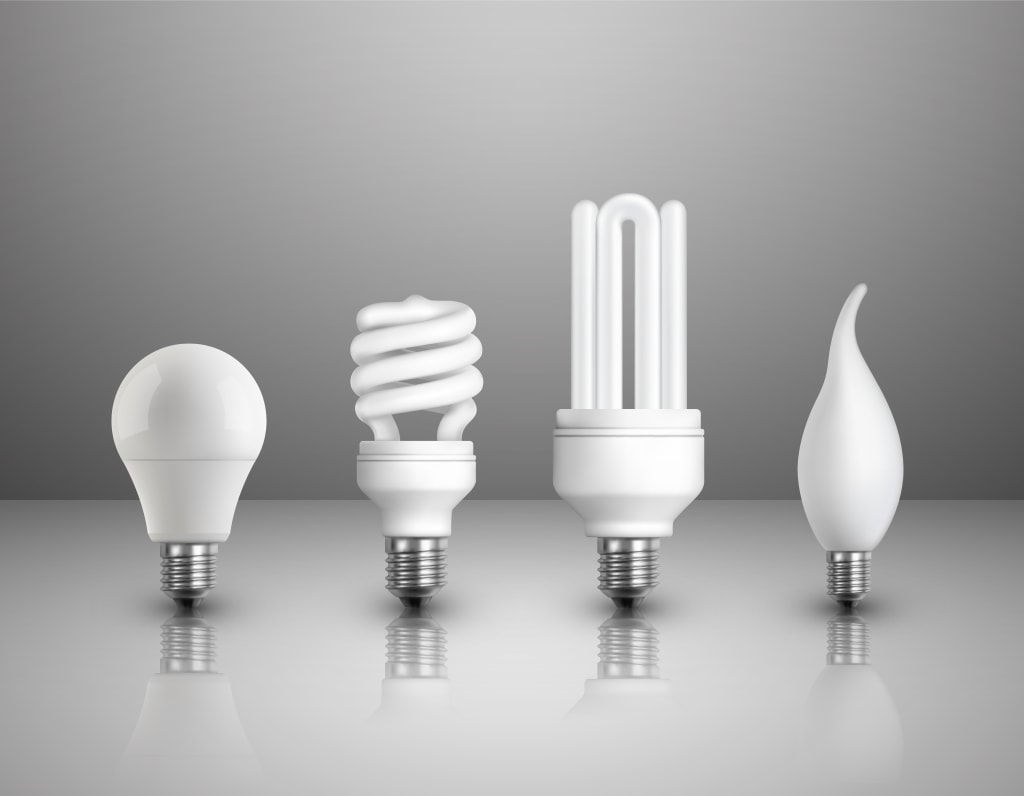
Energy efficiency and sustainability are key priorities across the United Kingdom, and lighting technology plays a significant role in achieving these goals. Among the most impactful innovations in recent years is the widespread adoption of LED lighting. Known for its low energy consumption and long lifespan, LED technology is reshaping residential, commercial, and public lighting systems.
LED lighting supports national objectives related to carbon reduction and energy conservation. As businesses and households seek cost-effective and environmentally responsible solutions, LED systems have become the preferred choice. Their integration into smart infrastructure further strengthens their importance within modern development strategies.
Understanding What LED Lighting Really Involves
LED, or light-emitting diode, lighting uses semiconductor technology to produce illumination more efficiently than traditional incandescent or fluorescent bulbs.
These lights consume less electricity, generate minimal heat, and offer extended operational life. LED systems are available in various formats, including bulbs, panels, streetlights, and decorative fixtures.
Smart LED solutions incorporate sensors and connectivity features, allowing remote control and automation.
Key Factors Driving LED Lighting Adoption in the UK
One of the strongest drivers is energy cost savings. LED lighting significantly reduces electricity consumption, making it attractive for businesses and households alike.
Government energy efficiency initiatives and building regulations also encourage adoption. Public infrastructure projects increasingly prioritize LED street lighting and commercial retrofits.
Growing environmental awareness among consumers further supports demand for low-carbon solutions.
Technological advancements have also improved light quality and design flexibility.
The Role of Innovation and Smart Technology
Innovation continues to enhance LED lighting capabilities. Smart lighting systems allow users to adjust brightness, color temperature, and scheduling through digital platforms.
Integration with building management systems improves operational efficiency in offices and commercial spaces.
Sensors can automatically adjust lighting based on occupancy or natural daylight, optimizing energy use.
Advancements in design enable sleek, compact fixtures suitable for modern architecture.
Click here if you want to know more about UK LED Lighting Market
Changing Consumer and Industry Behavior
Consumers are increasingly prioritizing sustainability when upgrading home lighting systems. Businesses are investing in LED retrofits to lower operational costs and meet environmental targets.
Retailers and hospitality providers use advanced LED displays to create immersive customer experiences.
Municipal authorities are replacing conventional streetlights with LED systems to enhance public safety and reduce maintenance requirements.
Awareness of long-term cost benefits continues to influence purchasing decisions.
Benefits and Strategic Advantages
LED lighting offers several important benefits:
• Energy Efficiency: Consumes significantly less electricity.
• Long Lifespan: Reduces replacement frequency and maintenance costs.
• Environmental Support: Lowers carbon emissions.
• Smart Integration: Enables automation and remote management.
• Design Versatility: Suitable for diverse applications.
These advantages position LED systems as essential components of sustainable infrastructure.
Regional Expansion and Infrastructure Development
LED lighting adoption is widespread across the UK, from urban commercial hubs to residential communities.
Public sector investments in smart city initiatives further accelerate implementation.
Collaboration between manufacturers, contractors, and local authorities ensures smooth deployment of large-scale lighting upgrades.
Online retail channels also expand accessibility for residential consumers.
Challenges Facing LED Lighting Adoption
Despite strong growth, certain challenges remain. Initial installation costs for large-scale projects can be significant.
Compatibility with older electrical systems may require infrastructure upgrades.
Quality variation among products demands careful supplier selection.
Balancing innovation with affordability remains an ongoing consideration for manufacturers.
Future Outlook of LED Lighting in the UK
The future of LED lighting in the UK is expected to emphasize deeper integration with smart grids and energy management systems.
Advancements in connected lighting and Internet of Things applications may enhance data collection and energy optimization.
Sustainable manufacturing practices and recyclable components are likely to gain further importance.
LED technology is poised to remain central to the UK’s long-term energy and sustainability objectives.
Conclusion
LED lighting has become a cornerstone of energy efficiency and sustainable development in the United Kingdom. Through innovation, cost savings, and environmental benefits, it supports both residential and commercial modernization.
With continued technological advancement and infrastructure investment, LED lighting is set to play an even greater role in shaping a more sustainable and energy-conscious future.
About the Creator
deepanshu Thakur
A dedicated Market Research Professional specializing in in-depth analysis, industry forecasting, and strategic insights. Known for precision, reliability, and delivering research that adds real business value.
Keep reading
More stories from deepanshu Thakur and writers in Education and other communities.
Why Waste Management Is Central to the United Kingdom’s Sustainability Goals?
Environmental sustainability has become a defining priority across the United Kingdom. Among the most critical components of this commitment is waste management. As urban populations grow and consumption patterns evolve, managing waste efficiently and responsibly is essential for protecting ecosystems and public health.
By deepanshu Thakurabout 17 hours ago in Education
Cultivating Teams That Drive Enduring Business Growth
In the modern business landscape, organizations face rapid technological shifts, evolving customer demands, and intense competition. Amid these challenges, one factor consistently differentiates companies that thrive over the long term: the strength and cohesion of their teams. Developing teams that not only perform in the present but also sustain growth over the years requires strategic leadership, deliberate culture-building, and ongoing investment in people. Teams are the lifeblood of an organization, translating vision into action, fostering innovation, and creating resilience in uncertain environments.
By Ian Schenkel Haliburton7 days ago in Education
Flexibility in Practice: Why Adaptability Matters for Mental Health Professionals
In the field of mental health, adaptability is often overlooked but is one of the most essential skills a professional can possess. Every client presents a unique set of experiences, challenges, and needs, which means a one-size-fits-all approach rarely works. Mental health professionals must adjust their methods, communication style, and strategies in real time to meet the evolving dynamics of each session. This ability to remain flexible allows for more effective interventions and demonstrates a deep understanding of the client’s individuality.
By Debra Bailey PHD7 days ago in Education
It's 2026. Songs Turning 10 This Year
In 2016, we saw the rise of short form videos and what would lead to the birth of TikTok. We cannot forget the Snapchat filters no matter how cringe worthy some of them might have been. It was also the year in which the hit series Stranger Things debuted.
By Jasmine Aguilar2 days ago in Beat



Comments
There are no comments for this story
Be the first to respond and start the conversation.