
Textile Recycling as a Sustainable Solution for Reducing Fabric Waste Worldwide
Textile Recycling Helps Transform Discarded Fabrics into Reusable Resources

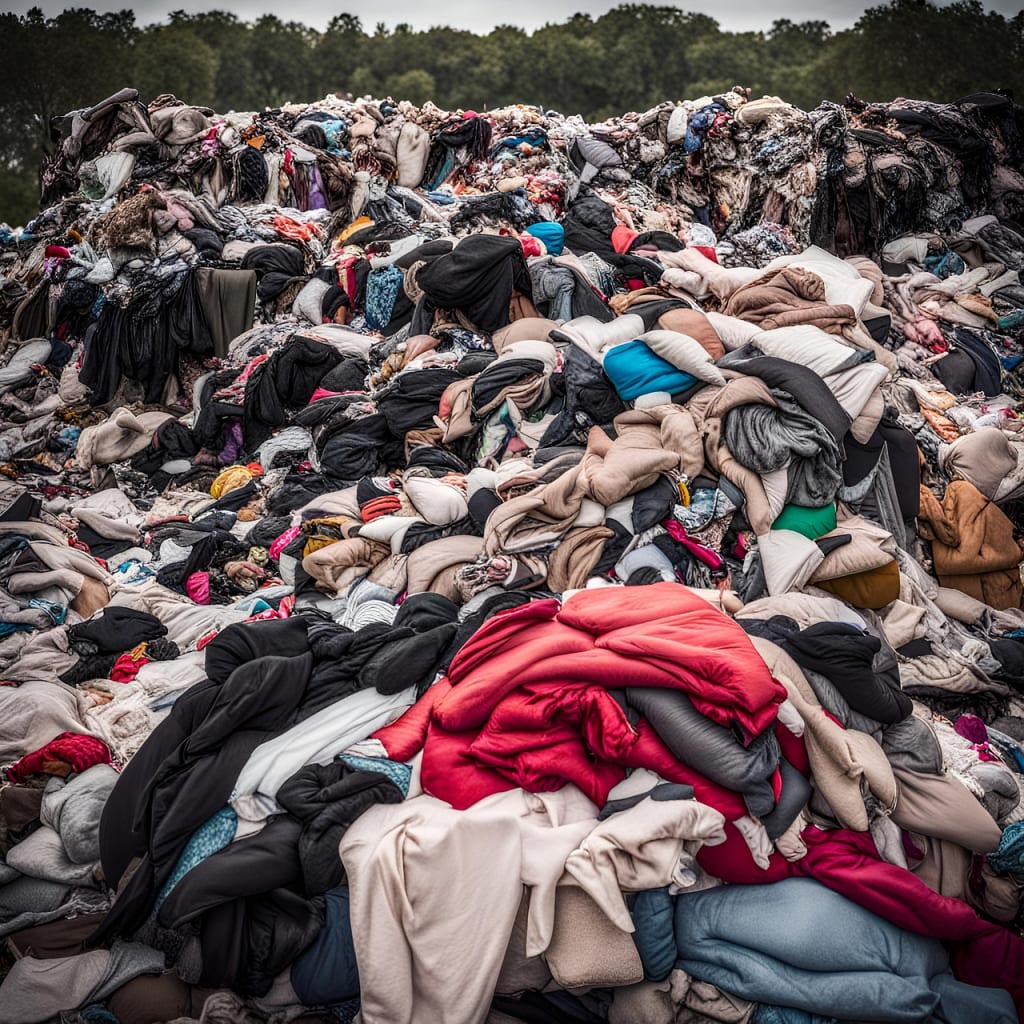
Textile recycling has emerged as a meaningful response to growing concerns around waste, resource use, and environmental responsibility. As clothing consumption rises and fashion cycles become faster, discarded fabrics are increasingly seen not as waste, but as valuable materials that can be reused, reprocessed, and reintroduced into everyday life. Textile recycling plays a crucial role in reducing landfill pressure, conserving raw materials, and supporting a more responsible approach to clothing and fabric use.
Understanding Textile Recycling and Its Purpose
Textile recycling refers to the process of recovering fibers, yarns, and fabrics from used or discarded clothing, household textiles, and industrial fabric waste. These materials are then sorted, cleaned, and transformed into new products or raw inputs for other applications. The goal is to extend the life of textiles and minimize the environmental impact associated with disposal and production.
This practice helps reduce dependence on virgin fibers such as cotton, wool, and synthetic materials, which often require significant water, energy, and chemical inputs. By reusing existing textiles, recycling supports conservation while also addressing the growing challenge of fabric waste.
Value and Long-Term Progress
Textile recycling has shown steady financial progress over recent years. It was valued at USD 5.40 Billion in 2024, reflecting increasing awareness and adoption of recycling practices across various regions. Looking ahead, it is expected to reach USD 6.71 Billion by 2033, demonstrating continued expansion and relevance.
This progress represents a compound annual growth rate (CAGR) of 2.39%, indicating stable development driven by environmental initiatives, consumer awareness, and advancements in recycling techniques. While growth is gradual, it highlights a consistent commitment to sustainable textile practices over the long term.
Why Textile Recycling Matters More Than Ever
The fashion and textile sectors are among the largest contributors to waste worldwide. Millions of tons of clothing and fabrics are discarded each year, much of which ends up in landfills or incineration sites. Textile recycling offers a practical solution by diverting waste away from disposal and giving materials a second life.
Environmental benefits include reduced greenhouse gas emissions, lower water usage, and decreased pollution from dyeing and chemical treatments. Social benefits also exist, as recycled textiles often support charitable organizations, employment opportunities, and community-based initiatives.
Types of Textiles Recovered and Reused
Textile recycling involves a wide range of materials, each requiring specific handling and processing methods.
Post-Consumer Textiles
These include used clothing, shoes, towels, bedding, and other household fabrics. Items that are still wearable may be reused directly, while damaged or worn-out textiles are processed into fibers for new products.
Post-Industrial Textiles
Fabric scraps, yarn waste, and offcuts generated during manufacturing fall into this category. These materials are often cleaner and easier to recycle, making them valuable inputs for fiber recovery.
Natural and Synthetic Fibers
Natural fibers such as cotton and wool can be shredded and respun, while synthetic fibers like polyester and nylon may undergo chemical or mechanical processing to create reusable material.
Recycling Methods and Technologies
Textile recycling relies on both traditional and advanced methods to recover usable materials.
Mechanical Recycling
This method involves cutting, shredding, and pulling fabrics apart into fibers. These fibers can then be spun into new yarns or used in products such as insulation, cleaning cloths, or padding.
Chemical Recycling
Chemical processes break textiles down to their molecular components, allowing fibers to be regenerated with quality closer to new materials. This approach is particularly useful for blended fabrics, which are difficult to process mechanically.
Ongoing research continues to improve efficiency, reduce costs, and expand the range of textiles that can be recycled effectively.
The Role of Consumers in Textile Recycling
Consumers play a vital role in the success of textile recycling. Responsible behaviors such as donating unwanted clothing, participating in take-back programs, and choosing recycled or recyclable textiles help support the entire recycling ecosystem.
Growing awareness about the environmental impact of fast fashion has encouraged many people to buy fewer, higher-quality items and extend the life of their clothing through repair and reuse. These habits complement recycling efforts and contribute to a more balanced approach to textile consumption.
Business and Community Participation
Brands, retailers, and organizations are increasingly involved in textile recycling initiatives. Clothing collection programs, recycling partnerships, and sustainable product lines demonstrate a shift toward greater accountability and environmental care.
Community-based collection drives and nonprofit organizations also play an important role by sorting, redistributing, and recycling textiles. These efforts often support social causes while reducing waste, creating a positive impact on both people and the planet.
Challenges Facing Textile Recycling
Despite its benefits, textile recycling faces several challenges. Blended fabrics, contamination, and inconsistent collection systems can complicate the recycling process. Additionally, recycling costs and limited infrastructure in some regions slow wider adoption.
Addressing these challenges requires collaboration between designers, manufacturers, policymakers, and consumers. Designing textiles with recyclability in mind and improving collection and sorting systems are key steps toward greater efficiency.
Looking Ahead: The Future of Textile Recycling
The future of textile recycling depends on innovation, education, and collective action. Advances in fiber separation, chemical processing, and digital tracking technologies are expected to improve recycling outcomes. At the same time, greater transparency and awareness will encourage responsible textile use from production to disposal.
As the value of textile recycling grows from USD 5.40 Billion in 2024 to an anticipated USD 6.71 Billion by 2033, with a CAGR of 2.39%, it reflects a steady commitment to reducing waste and preserving resources. This progress underscores the importance of viewing textiles not as disposable items, but as materials with ongoing potential.
Conclusion
Textile recycling represents a meaningful step toward a more sustainable future. By transforming discarded fabrics into valuable resources, it reduces environmental strain and supports responsible consumption. While challenges remain, continued innovation and participation can strengthen recycling efforts and extend the life of textiles worldwide.
As awareness grows and systems improve, textile recycling will continue to play a vital role in balancing human needs with environmental care.
Note: If you need any specific details, data, or insights beyond the current scope of this report, we would be glad to assist. Through our customization service, we can gather and deliver additional information tailored to your exact requirements. Please share your needs, and we will update the report accordingly to meet your expectations.
About the Creator
Bobby Yadav
Experienced research analyst with a strong background in market research, data analysis, and industry trend evaluation. Skilled in delivering actionable insights, market forecasts, and strategic recommendations to support business growth.
Keep reading
More stories from Bobby Yadav and writers in Education and other communities.
How Modern Eyewear Helps People Maintain Healthy Vision in Everyday Life
Eyewear has become far more than a simple tool to correct eyesight. Today, it represents a blend of health, comfort, technology, and personal expression. From classic spectacles to advanced contact lenses and protective vision solutions, eyewear plays a central role in how people see the world and how the world sees them. As lifestyles evolve and visual demands increase, eyewear continues to adapt, offering smarter designs, improved materials, and enhanced user experiences.
By Bobby Yadavabout 6 hours ago in Education
The 1943 Copper Cent vs. The 1944 Steel Penny: How to Spot the Legendary Mistakes
For over eight years as a Senior Numismatic Analyst, few questions ignite the passion of a collector like the legends of the 1943 Copper Cent and the 1944 Steel Penny. These coins represent the most famous mint errors in American history, born from the unprecedented material shifts of World War II. I've examined countless coins brought to me with hope, only to find they were clever counterfeits. The truth is, genuine examples of these errors are extraordinarily rare, but knowing exactly what to look for is the first step from fantasy to fact. This guide will cut through the myths and give you the concrete, professional methods to understand and identify these numismatic legends.
By Laura Bennett6 days ago in Education



Comments
There are no comments for this story
Be the first to respond and start the conversation.