
Spain’s Retail Market Poised for Steady Growth Key Trends and Opportunities Through 2034
Rising Disposable Income, E-Commerce Expansion, and Technological Advancements Driving Spain’s Retail Sector to New Heights
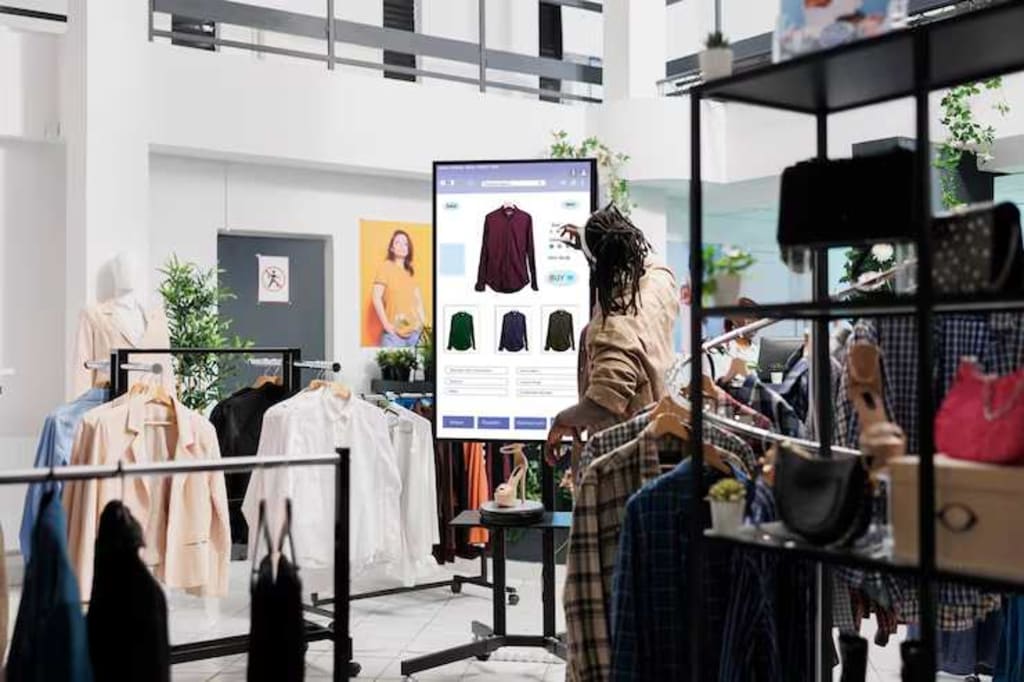
Spain retail market is experiencing significant transformation, fueled by a combination of economic factors, consumer behavior shifts, and technological innovations. According to projections from IMARC Group, Spain’s retail market is expected to grow from USD 322.8 billion in 2025 to USD 457.9 billion by 2034, marking a compound annual growth rate (CAGR) of 3.96% from 2026 to 2034.
This robust growth is being driven by several key factors, including increasing disposable income, a surge in e-commerce activity, a growing emphasis on sustainability, and major technological advancements in retail. Additionally, Spain’s booming tourism industry and rising consumer spending continue to play a crucial role in driving demand for retail goods and services. This article explores the factors shaping Spain’s retail market and the trends expected to define the sector's future growth.
Key Factors Driving Growth in Spain’s Retail Market
1. Increasing Disposable Income
As Spain’s economy continues to recover from previous challenges, disposable income among consumers is steadily increasing. This has allowed consumers more financial flexibility, enabling them to spend on both essential and non-essential goods. Higher disposable income also results in consumers seeking premium products and services, creating opportunities for retail brands to cater to the growing demand for luxury goods, high-quality services, and experiences.
This increase in spending power is also contributing to a shift in consumer preferences towards more personalized and customized shopping experiences. As consumers are willing to spend more on unique and tailored products, retailers are adapting by offering more specialized goods and services.
2. Expansion of E-Commerce
One of the most significant drivers of the retail market’s growth in Spain is the continued expansion of e-commerce. Online shopping has surged in popularity over the past decade, a trend that accelerated even further during the COVID-19 pandemic. Spain’s e-commerce sector is expected to continue growing, as more consumers prefer the convenience of shopping from home, especially for products like clothing, electronics, and groceries.
E-commerce platforms are also becoming increasingly sophisticated, with enhanced user interfaces, personalized recommendations, and seamless checkout processes. Retailers are also investing heavily in digital marketing and omnichannel strategies to provide consumers with a seamless shopping experience across multiple platforms. As the e-commerce market grows, it will become an even more integral part of Spain’s overall retail landscape.
3. Rising Focus on Sustainability
Another major factor influencing Spain’s retail market is the growing consumer demand for sustainable products and eco-friendly business practices. As global awareness of environmental issues continues to rise, Spanish consumers are increasingly seeking out brands that align with their values. This includes prioritizing eco-friendly packaging, ethically sourced materials, and carbon-neutral production processes.
Retailers in Spain are responding to this demand by incorporating sustainability into their operations, from offering environmentally conscious products to reducing waste and minimizing their carbon footprints. This shift toward sustainability is not just about meeting consumer demand; it’s also about improving brand reputation, as consumers are more likely to support businesses that are committed to social and environmental responsibility.
4. Technological Advancements in Retail
Spain’s retail market is also benefiting from the rapid advancement of technological innovations that enhance the customer shopping experience. Retailers are increasingly leveraging artificial intelligence (AI), augmented reality (AR), virtual reality (VR), and machine learning to personalize and streamline the retail journey.
For example, AI-driven recommendation engines help retailers offer customized product suggestions, while AR and VR are being used to create immersive shopping experiences. These innovations are not only improving the customer experience but are also helping retailers optimize their operations, from inventory management to predictive analytics and demand forecasting.
In addition, contactless payments and mobile wallets are revolutionizing the way consumers pay for goods and services, offering speed and convenience that attract an increasingly digital-savvy consumer base.
5. Growth of the Tourism Industry
The tourism sector is another critical driver of retail growth in Spain. As one of the world’s most popular tourist destinations, Spain attracts millions of visitors annually. This influx of tourists translates into higher retail spending, particularly in major cities like Barcelona, Madrid, and Valencia, where tourists flock to buy fashion, luxury goods, and souvenirs.
Tourism not only contributes to increased demand for traditional retail but also enhances the growth of duty-free shopping and high-end brands. Many international visitors are keen to purchase products that are either unavailable in their home countries or are cheaper than in other markets. This presents a major opportunity for retailers to capture the spending power of foreign visitors.
6. Rising Consumer Spending
Rising consumer spending is a crucial factor driving Spain’s retail growth. As Spain’s economy recovers and consumers regain confidence, they are more willing to spend on discretionary items, including apparel, electronics, home goods, and entertainment. This uptick in spending is particularly evident among younger consumers, who are driving demand for digital-first retail experiences, from online shopping to interactive in-store experiences.
The increase in consumer spending also reflects a broader trend of improving economic stability and job growth in Spain. As more people return to the workforce or experience higher wages, their spending capacity increases, further boosting the retail market.
Emerging Trends in Spain’s Retail Market
1. Personalized and Customized Shopping Experiences
Consumers today are looking for more than just a product—they want a personalized shopping experience. Retailers are increasingly leveraging data analytics, AI, and customer insights to tailor their offerings to individual preferences. Whether it’s personalized product recommendations, targeted promotions, or customized services, Spanish retailers are shifting to provide a more bespoke shopping journey.
2. Rise of Omnichannel Retail
As digital shopping continues to rise, traditional brick-and-mortar stores are not disappearing—they are evolving. Omnichannel retailing is becoming the norm, with retailers offering a seamless integration of online and offline channels. Consumers can research products online, order them for delivery, and pick them up in-store. The ability to move between channels provides a more flexible and convenient shopping experience.
3. Luxury and Premium Goods
Spain’s luxury goods market is expected to see continued growth, driven by both domestic consumers with increasing disposable incomes and international tourists seeking high-end brands. Luxury retail in Spain, particularly in cities like Madrid and Barcelona, is set to expand further as consumer preferences shift toward high-quality, exclusive products.
4. Health and Wellness Products
With increasing awareness around health and wellness, consumers are looking for products that contribute to a healthier lifestyle. The demand for organic food, fitness-related goods, wellness supplements, and sustainable personal care products is rising in Spain. Retailers who can tap into this growing trend will see increased demand from health-conscious consumers.
Conclusion
Spain’s retail market is on a steady upward trajectory, driven by key factors such as rising disposable income, the expansion of e-commerce, growing tourism, and an increasing focus on sustainability and technological innovation. As the retail sector adapts to the changing needs and preferences of consumers, the opportunities for growth remain strong. With a projected market value of USD 457.9 billion by 2034, Spain’s retail market is well-positioned to become a global leader in consumer spending and retail innovation.
Retailers who embrace the evolving trends, prioritize sustainability, and leverage the latest technologies will be best placed to capture the opportunities emerging in Spain’s dynamic retail environment.
About the Creator
Keep reading
More stories from Neeraj kumar and writers in Education and other communities.
Spain's Hospitality Market: Projected Growth Amid Tourism Boom and Changing Travel Trends 2026-2034
The Spanish hospitality market is poised for steady growth, driven by a combination of booming tourism, rising government support, and evolving consumer preferences. According to recent projections from IMARC Group, the market size of Spain’s hospitality sector is expected to grow from USD 61.6 million in 2025 to USD 84.1 million by 2034, marking a Compound Annual Growth Rate (CAGR) of 3.52% over the next decade (2026-2034).
By Neeraj kumar3 days ago in Education
Professional Skills That Separate Good Consultants from Great Ones
Consulting is a competitive field where expertise alone is no longer enough to stand out. While many consultants possess strong technical knowledge and industry experience, only a select group consistently delivers transformative results for their clients. What separates good consultants from great ones is the ability to combine analytical strength with exceptional communication, leadership, adaptability, and emotional intelligence to accelerate sustainable business growth.
By Nicole Metz3 days ago in Education
Khrystyna Drahomaretska: Why a Ukrainian Architect Chose Frontline Animal Rescue During a Long War
Khrystyna Drahomaretska is a 28-year-old Ukrainian animal rescuer and architect who left her profession after Russia’s full-scale invasion. She works as a stray-animal catcher and evacuates pets from combat areas, operating amid shelling and mines. In Toretsk, three guided aerial bombs detonated near her; in Vovchansk, she suffered shrapnel wounds during mortar fire while rescuing animals. She founded the Under the Sun shelter in Ukraine’s Odesa region, caring for 250 dogs, many of whom were treated, socialized, sterilized, vaccinated, and rehomed; about 70 percent are adopted abroad. She is UWARF’s country manager and partners with 12 Vartovykh, Animal Rescue Kharkiv, and UAnimals.
By Scott Douglas Jacobsena day ago in Education



Comments
There are no comments for this story
Be the first to respond and start the conversation.