
Real Estate Tokenization: Unlocking Investment in Warehouses, Malls & Business Spaces
Blockchain is Revolutionizing Real Estate Investment for commercial properties

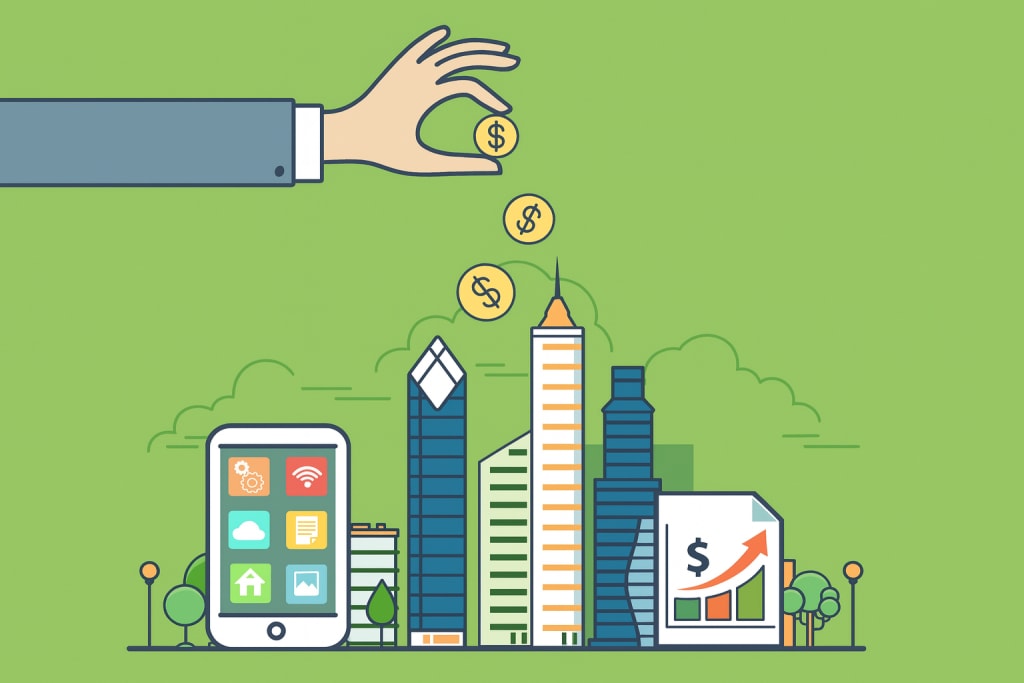
Real estate has long been one of the most stable and profitable investment classes globally. Traditionally, investing in commercial properties such as warehouses, shopping malls, and office spaces required substantial capital, lengthy due diligence, and complex legal processes. These high entry barriers made commercial real estate accessible primarily to institutional investors and high-net-worth individuals, leaving smaller investors with limited opportunities to participate. However, with the advent of real estate tokenization, the dynamics of investing in commercial properties are changing dramatically in 2026.
Real estate tokenization involves converting ownership rights of a property into digital tokens on a blockchain platform. Each token represents a fractional ownership in a property, enabling investors to participate in assets like warehouses, malls, or office buildings without needing to purchase the entire property outright. This model introduces liquidity, transparency, and accessibility to an asset class historically known for its complexity and illiquidity.
Understanding Real Estate Tokenization
Real estate tokenization leverages blockchain technology to digitize property ownership. By representing ownership as tokens on a blockchain, the system ensures transparency, immutability, and secure transactions. Investors can buy, sell, or trade these tokens, creating a liquid market for assets that were previously illiquid and cumbersome to transact.
In the context of commercial real estate, tokenization enables fractional ownership of warehouses, shopping malls, and office spaces. For example, a $10 million warehouse could be divided into 10,000 tokens, each representing a $1,000 share of ownership. This fractional ownership lowers the entry barrier, allowing retail investors, small businesses, and global investors to access lucrative commercial real estate opportunities that were once out of reach.
Why Tokenization Matters for Warehouses, Malls & Business Spaces
Commercial properties such as warehouses, malls, and business offices differ from residential real estate in several ways. They are often larger, more expensive, and tied to business operations, logistics, and retail economies. Real Estate Tokenization offers specific advantages for these types of properties:
1. Warehouses
Warehouses are critical assets in the logistics and e-commerce sectors. With global supply chains growing rapidly, warehouses are in high demand. Tokenizing warehouse properties allows multiple investors to share ownership and benefit from rental income generated by logistics companies, e-commerce businesses, and distribution centers.
Tokenization also enables startups, SMEs, and international investors to gain exposure to warehouse assets without investing millions upfront. Blockchain-based records ensure transparency in revenue distribution, operational management, and ownership, making warehouse investments more attractive and accessible.
2. Shopping Malls
Shopping malls have traditionally been prime commercial assets, offering high rental income potential from retail tenants. However, malls require significant capital to purchase or operate, making them inaccessible to smaller investors. Through tokenization, fractional ownership allows investors to participate in the growth of mall revenues, benefit from rental yields, and enjoy potential capital appreciation.
Additionally, blockchain technology ensures that all transactions and revenue distributions are transparent. Investors can track rental income, occupancy rates, and tenant performance through immutable ledgers, creating trust and reducing operational risks.
3. Business Spaces
Office buildings and coworking spaces are essential for businesses and entrepreneurs. Tokenization allows investors to diversify their portfolios by acquiring fractional ownership in business spaces, receiving rental income, and participating in the appreciation of commercial property values. This democratizes access to commercial real estate and allows global investors to invest in high-demand urban business hubs without directly managing properties.
Key Advantages of Tokenized Commercial Real Estate
Real estate tokenization introduces multiple benefits that fundamentally change the investment landscape for warehouses, malls, and business spaces.
1. Lower Capital Requirements
Tokenization reduces the financial barrier to entry. Instead of investing millions to acquire a commercial property outright, investors can purchase fractional tokens, making commercial real estate accessible to a wider audience. This model allows small-scale investors, family offices, and global participants to enter the market and diversify their portfolios with high-value assets.
2. Enhanced Liquidity
Traditional commercial real estate is illiquid, often requiring months or years to sell or transfer ownership. Tokenized assets, however, can be traded on blockchain-based secondary marketplaces, enabling investors to sell their tokens quickly. This liquidity attracts more participants, including retail investors, hedge funds, and digital asset enthusiasts seeking faster exits and dynamic portfolio management.
3. Transparent Ownership and Revenue Distribution
Blockchain ensures that every token transaction is recorded immutably, making ownership and revenue distribution fully transparent. For commercial properties, this transparency is crucial, as rental income, maintenance costs, and operational expenses can be automatically tracked and distributed using smart contracts. Investors receive clear, real-time insights into their holdings, building trust and reducing disputes.
4. Global Accessibility
Tokenization removes geographic limitations. Investors from anywhere in the world can purchase tokens representing warehouses, malls, or business spaces, creating a truly global investment market. This allows startups and international investors to diversify across multiple markets without the need for local intermediaries, complex legal frameworks, or direct property management responsibilities.
5. Fractional Ownership and Portfolio Diversification
Fractional ownership allows investors to diversify their portfolios across multiple commercial properties, reducing risk and enhancing returns. For example, instead of investing all capital in a single mall, an investor could acquire tokens representing multiple warehouses, office spaces, and retail hubs across different locations. This diversification strategy reduces exposure to localized market risks and provides a balanced income stream.
How Tokenization Works for Commercial Real Estate
The process of tokenizing warehouses, malls, and business spaces generally involves several stages:
1. Asset Selection and Valuation
The first step is identifying high-value commercial properties suitable for tokenization. Properties are appraised to determine market value, rental potential, and investment viability. For warehouses and malls, factors like tenant agreements, lease terms, foot traffic, and logistics importance are assessed to establish the asset’s profitability.
2. Legal Structuring
To facilitate tokenization, the property is often placed under a legal entity, such as a Special Purpose Vehicle (SPV), that holds the asset on behalf of token holders. This structure ensures compliance with local regulations and provides a legal framework for ownership rights.
3. Token Creation and Distribution
Digital tokens representing fractional ownership are created on a blockchain platform. The number of tokens corresponds to the property’s value, and smart contracts manage token issuance, transfer, and income distribution. Investors can purchase tokens directly from the platform or participate in an Initial Property Offering (IPO) for early access.
4. Revenue Sharing
Rental income generated from commercial tenants is automatically distributed to token holders according to the number of tokens owned. Smart contracts ensure transparency and accuracy, reducing reliance on intermediaries and preventing disputes.
5. Secondary Market Trading
Tokenized commercial properties can be traded on blockchain marketplaces, allowing investors to liquidate their positions or acquire additional tokens. This creates a dynamic market for commercial real estate, enhancing liquidity and flexibility.
Challenges and Considerations
While tokenization offers numerous benefits, there are challenges that startups and investors should be aware of:
Regulatory Compliance: Different jurisdictions have varying regulations for tokenized assets. Legal frameworks for SPVs, securities compliance, and tax implications must be carefully considered.
Market Education: Investors need awareness and understanding of tokenized commercial assets. Lack of knowledge can hinder adoption.
Valuation Accuracy: Transparent and accurate property valuation is crucial. Misvaluation can affect investor confidence and returns.
Technological Risks: Tokenization platforms rely on secure and reliable blockchain infrastructure. Cybersecurity, smart contract vulnerabilities, and technical glitches must be managed.
Despite these challenges, the benefits of tokenized commercial real estate often outweigh the risks, especially with proper planning, due diligence, and regulatory compliance.
The Future of Commercial Real Estate Tokenization
In 2026, tokenization is expected to become a mainstream approach for investing in warehouses, malls, and business spaces. Key trends shaping the future include:
Integration with DeFi Platforms: Investors can use tokenized commercial assets as collateral for loans or participate in yield farming opportunities, enhancing liquidity and earning potential.
Global Real Estate Funds: Tokenization enables the creation of diversified commercial real estate funds accessible to global investors.
Data-Driven Property Management: Blockchain technology allows seamless integration of IoT devices, smart sensors, and analytics platforms to optimize commercial property management.
Sustainable Commercial Assets: Green-certified warehouses, energy-efficient malls, and smart office spaces are increasingly being tokenized, attracting ESG-conscious investors.
Tokenization is also expected to reshape commercial property ownership models, encouraging fractional ownership, co-investment, and shared governance structures.
Conclusion
Real estate tokenization is transforming investment in warehouses, malls, and business spaces by reducing entry barriers, enhancing liquidity, and increasing transparency. Through fractional ownership, investors can access high-value commercial assets, diversify portfolios, and benefit from rental income without the traditional complexities of property management.
Blockchain-based tokenization is not just a technological innovation—it is redefining how commercial real estate is bought, sold, and managed in 2026. As global adoption grows and regulatory clarity improves, tokenized commercial properties are set to unlock unprecedented opportunities for investors, startups, and real estate professionals alike. The democratization of commercial real estate investment promises a future where warehouses, malls, and business spaces are accessible, liquid, and transparent for all.
About the Creator
Gabrielle
Blockchain enthusiast and NFT writer dedicated to merging technology with art on decentralized platforms, driving innovation for a creative future. Embracing the potential of digital expression.
How Intentional Blessings Are Supporting Mental Health Awareness in the U.S.
Introduction Mental health awareness in the United States has grown significantly in recent years. Alongside therapy, mindfulness, and lifestyle changes, many Americans are turning to intentional blessings as a complementary practice for emotional well-being.
By Shahid Khan3 days ago in Education



Comments
There are no comments for this story
Be the first to respond and start the conversation.