
Practical steps to handle a medical school interview invite
How to manage the MMI and stay calm under pressure during the admissions process.


Receiving a medical school interview invite is a major milestone. It means the admissions committee already likes the grades and the test scores. Now they want to see the person behind the application. For many students this is the most intimidating part of the entire journey.
Preparation for these interviews is different from studying for a science exam. It is not about finding a single right answer but about showing a professional and empathetic thought process.
Understanding the core competencies
The first step is knowing what medical schools are actually looking for. The AAMC provides a list of core competencies that every entering student should have. These include things like service orientation, ethical responsibility, and social skills.
Instead of memorizing a script it is better to think of real world examples that prove these traits. If an interviewer asks about a time you handled a conflict you should have a specific story ready to go. The goal is to show growth and reflection rather than just listing an achievement.
Preparing for the MMI format
The MMI is often the hardest part of the process because the questions are so unpredictable. Most students struggle with the ethical stations where there is no clear right or wrong answer. The best way to get ready is to review actual scenarios that have been used in the past.
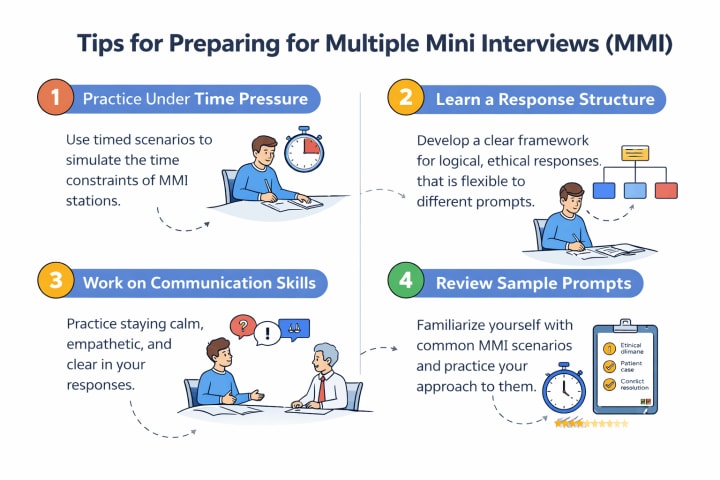
Studying a guide of mmi practice questions and answers helps a student understand the specific logic that interviewers are looking for. It is less about the final conclusion and more about how a person weighs the different sides of a complex ethical problem. This kind of preparation helps ensure that a candidate stays logical even when they are put on the spot.
Researching school specific feedback
Every medical school has a slightly different interview style. Some are very friendly and conversational while others can be more "stress-based" to see how a candidate reacts.
A good resource for this is the SDN interview feedback database. It contains years of reports from students who have gone through the process at specific schools. They often list the exact questions they were asked and how long the interview lasted. Knowing these details can help reduce anxiety on the morning of the event.
Mastering the physical delivery
How a person speaks is just as important as what they say. Under pressure people tend to speak too fast or use filler words like "um" and "uh." These small habits can distract an interviewer from a great answer.
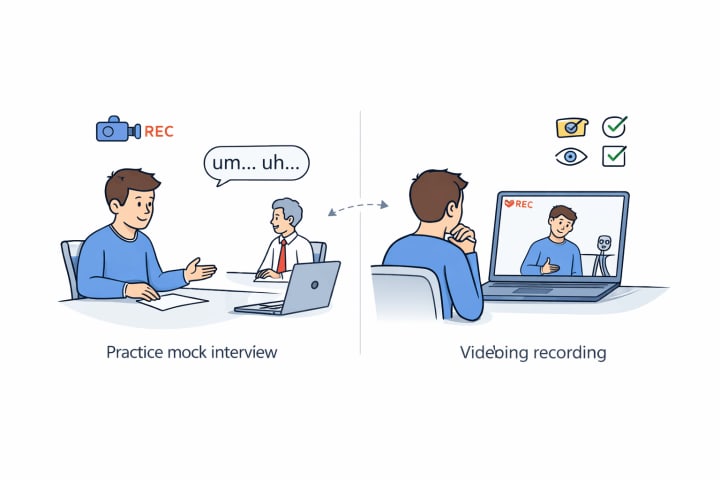
It is helpful to record several mock sessions and watch them back. It is often uncomfortable to see yourself on camera but it is the fastest way to fix eye contact and posture issues. The objective is to seem professional but also approachable.
The final week of preparation
In the days leading up to the interview the focus should shift to mental health and rest. Over-studying can lead to a robotic delivery which is a red flag for many committees.
A final check of the school's mission statement and recent news is a good idea. Being able to talk about why that specific program is a good fit shows that you are serious. Beyond that the best thing a student can do is trust the work they have already put in and try to stay as relaxed as possible during the conversation.
Closing the loop on preparation
Getting that invite is proof that the academic hard work is already finished. The focus now should be on turning those years of study into professional communication. Preparation is the only thing that actually lowers the stress of the day. Using the right guides and checking student forums helps take the mystery out of the process. Once the conversation starts the most important thing is to stay grounded and remember why the journey started in the first place. Success comes down to being a clear communicator who is ready for the next step in their medical career.
About the Creator
Jelena Smiljkovic
SEO strategist and content writer, combining over 13 years of web development experience with a focus on content strategy, SEO growth, and digital marketing.
Keep reading
More stories from Jelena Smiljkovic and writers in Education and other communities.
Why the Next Generation Will Learn With AI Coaches
Ten years ago, if you wanted to improve at something - public speaking, writing, interviews - you needed a person. A teacher, a mentor, a friend who’d sit through your awkward practice run and give feedback. Today, your laptop or phone can do most of that. It listens, watches, analyzes, and tells you exactly what to fix.
By Jelena Smiljkovic5 months ago in Education
What Drivers Should Know Before Renewing Car Insurance 2026
The ritual of renewing car insurance has undergone a radical transformation. In 2026, simply letting your policy auto-renew is a financial mistake that could cost you hundreds, if not thousands, of dollars. The automotive landscape has shifted beneath our feet, driven by rapid advancements in vehicle technology, fluctuating economic conditions, and a fundamental change in how insurers assess risk. Today, your car is more than just a mode of transport; it is a data-generating hub that communicates constantly with the digital world. This connectivity has given rise to new insurance models that prioritize actual driving behavior over statistical generalizations.
By social xpertsolutions5 days ago in Education
Leading with Imagination: How Global Experiences Strengthen Leadership Creativity
Creativity is one of the most valuable qualities a leader can possess. It shapes decision-making, drives innovation, and empowers leaders to navigate challenges with fresh ideas. One of the most effective ways to cultivate creativity is through global experiences. When leaders travel, interact with diverse cultures, and immerse themselves in different environments, they gain new insights that expand their imagination. These global experiences help leaders think more deeply, act more confidently, and lead more creatively. By stepping outside the familiar, leaders discover ideas and perspectives that reshape how they approach their roles.
By Nathalie Kyriakou6 days ago in Education




Comments
There are no comments for this story
Be the first to respond and start the conversation.