
No Tracing Allowed in Drawing Class
Learn real drawing skills instead of shortcuts like tracing images

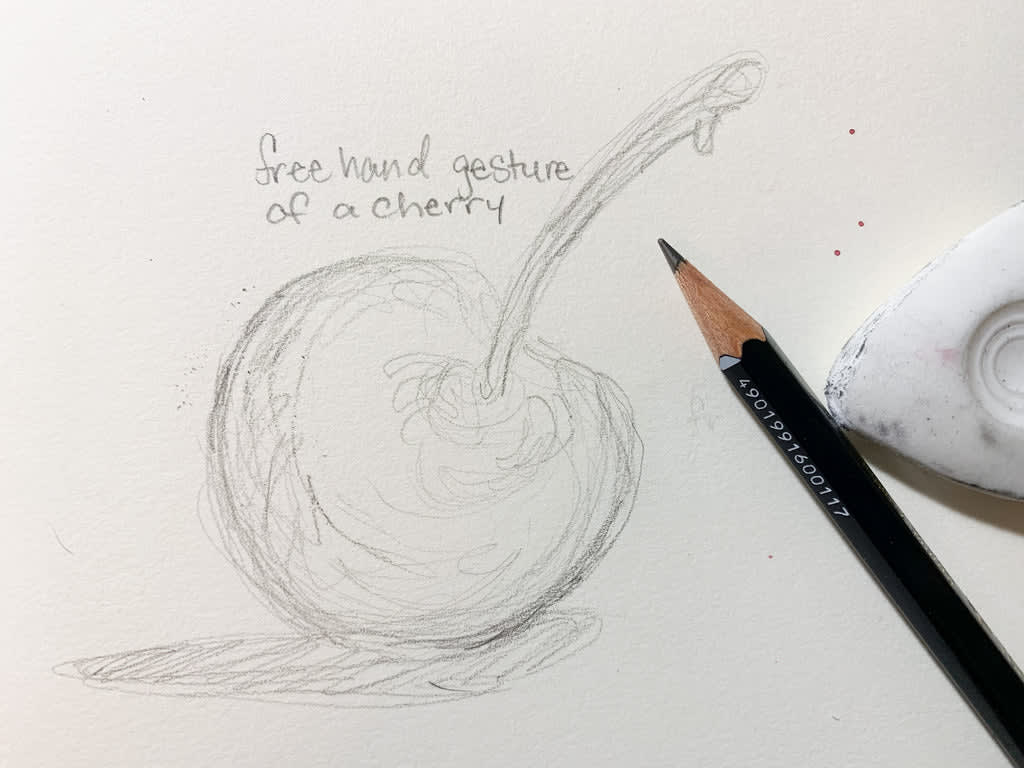
The first day of art class smelled like pencil shavings and fresh hope. A group of students gathered around long wooden tables, eager to learn how to draw. Some held sketchbooks close to their chests like treasures, others clutched mechanical pencils nervously, unsure of what they were doing. The teacher, Ms. Riley, a woman in her 40s with paint-speckled glasses and curly hair tied in a bun, welcomed everyone warmly.
"Before we begin," she said, placing her hands flat on the table, "there’s one rule I need to share. No tracing allowed in this class."
A few students looked confused. One raised her hand. "But isn’t tracing a way to practice?"
Ms. Riley smiled gently. "That’s true — tracing can be helpful when you’re learning at home. But here, in this space, we draw. Even if it’s messy. Even if it’s wrong. That’s how we grow."
This wasn’t just about copying lines — it was about building confidence. Learning how to observe, understand shapes, and train your hands to follow what your eyes see. Tracing avoids the challenge. Real drawing invites you into it.
In the following weeks, the students learned the basics — shapes, shadows, light sources, perspective. Some struggled with proportions, others with shading. Everyone made mistakes. But no one was allowed to crumple their paper or throw it away. Ms. Riley would walk by, stop them, and say, “There’s value in that mistake. Find it.”
One day, a student named Mia, quiet and shy, stayed after class. She showed Ms. Riley a stunning sketch of a ballerina, smooth and detailed.
Ms. Riley’s eyebrows lifted. "This is beautiful. But did you trace it?"
Mia hesitated, then nodded. "I just wanted to make something perfect."
Ms. Riley sat beside her. “I understand. But perfect drawings don’t teach us anything. It’s the imperfect ones — the ones you struggle through — that make you better.”
That moment changed something in Mia. The next class, she came in early, ready to draw with her own eyes and hands. Her first non-traced sketch looked uncertain — the lines wobbled and the anatomy was off. But it was hers.
And it was a start.
This lesson echoed something deeper than just drawing. In life, we often want shortcuts — quick fixes, ways to skip the hard parts. But growth doesn't live in the shortcut. It lives in the repetition, in the trying, in the failing and redoing.
By mid-semester, the students' sketches filled the walls. They weren’t perfect, but they were full of effort and personal voice. Each student had developed a unique style, a visual signature that tracing could never offer.
“You’re not here to draw perfectly,” Ms. Riley would say. “You’re here to draw honestly.”
The class ended with an exhibition. Families, friends, and even a few local artists came to see what the students had created. Mia’s final piece, a dancer mid-leap, stood beside her first wobbly attempt. The contrast brought tears to her mother’s eyes.
And it wasn’t just Mia. Every student, even the ones who had doubted themselves, had grown more than they thought possible. Not because they traced perfect lines, but because they faced the fear of failing — and kept drawing anyway.
Drawing is like life. You can trace what others do, copy their path, and you’ll look polished on the surface. But you won’t really learn. When you take the time to do it yourself — line by line, even if it’s slow and awkward — you begin to create something that’s truly yours.
So the next time you’re tempted to trace, remember why you started. Not to be perfect, but to be original.
Because you’re not just learning how to draw — you’re learning how to see.
About the Creator
majid ali
I am very hard working give me support
Seven Books to Read When You Have No Time to Read
Modern life rarely leaves room for long, uninterrupted reading sessions. Between work, family, notifications, and daily responsibilities, finding hours to sit with a thick novel can feel impossible. Yet reading remains one of the most rewarding ways to relax, learn, and escape the noise of everyday life. The good news is that not all books demand weeks of commitment. Some are short, fast-paced, and powerful enough to be read in brief moments—during commutes, lunch breaks, or just before sleep. If your schedule is packed but your love for books remains strong, here are seven perfect reads for when time is limited but curiosity is not. 1. “The Old Man and the Sea” by Ernest Hemingway This classic novella is proof that a small book can carry enormous emotional weight. At just over 100 pages, Hemingway’s story of an aging fisherman battling a giant marlin is simple yet deeply symbolic. The language is clear and direct, making it easy to read in short sessions. Despite its brevity, the book explores themes of endurance, pride, and humanity’s relationship with nature. It is a reminder that you do not need a long novel to experience literary greatness. 2. “Animal Farm” by George Orwell Few books manage to be both entertaining and politically sharp in such a compact form. Orwell’s allegory of farm animals overthrowing their human owner is short, gripping, and unforgettable. The story moves quickly, with simple language and strong symbolism that makes it ideal for busy readers. You can read a chapter in minutes and still feel like you’ve engaged with something meaningful and thought-provoking. 3. “We Should All Be Feminists” by Chimamanda Ngozi Adichie Adapted from a popular TED Talk, this slim book packs a powerful message into fewer than 70 pages. Adichie discusses gender, culture, and equality in a personal and accessible way. It is perfect for readers who want insight without long explanations. The conversational tone makes it feel less like homework and more like a thoughtful conversation with a friend. 4. “Of Mice and Men” by John Steinbeck Steinbeck’s short novel about friendship and dreams during the Great Depression is emotionally rich but easy to follow. The characters of George and Lennie stay with readers long after the final page. Its short chapters and clear narrative make it ideal for those who can only read in small bursts. Despite its simplicity, the book deals with loneliness, hope, and tragedy in a powerful way. 5. “The Little Prince” by Antoine de Saint-Exupéry Often seen as a children’s book, The Little Prince is deeply philosophical and touching for adults as well. With short chapters and gentle illustrations, it is easy to read in one or two sittings. The story reflects on love, responsibility, and the loss of childhood wonder. It is a comforting book for readers who want something meaningful but not mentally exhausting. 6. “Letters to a Young Poet” by Rainer Maria Rilke This book is a collection of short letters rather than a continuous story, making it ideal for fragmented reading time. Each letter stands alone and offers wisdom about creativity, self-doubt, and personal growth. You can read one letter in five minutes and still feel enriched. It is perfect for readers who want inspiration without committing to a long narrative. 7. “The Alchemist” by Paulo Coelho Coelho’s famous novel is written in simple language and short chapters, making it highly accessible. The story follows a young shepherd on a journey to find treasure, but its true focus is on purpose, destiny, and listening to one’s heart. Many readers finish this book quickly because of its smooth pacing and motivational tone. It is ideal for moments when you want encouragement rather than complexity. Why Short Books Matter Short books are not lesser books. In many cases, they demand more discipline from the author and offer greater focus for the reader. When time is scarce, these works provide a sense of completion and accomplishment. Finishing a book—even a small one—can restore confidence and reignite the habit of reading. They also suit modern lifestyles. A few pages before bed or during a commute can slowly build into a meaningful reading experience. Instead of waiting for the perfect free weekend, short books allow reading to fit into everyday life. Making Reading Possible Again If you feel too busy to read, the solution is not to quit—it is to adjust expectations. Choose books that match your schedule. Keep one in your bag or on your phone. Replace five minutes of scrolling with five minutes of reading. Over time, these small moments add up. Conclusion Reading does not require endless free time. It requires intention and the right kind of books. These seven titles prove that powerful stories and ideas can be delivered in short, accessible forms. Whether you want inspiration, reflection, or escape, there is always room for a book—even in the busiest life. When time is limited, let these books remind you that literature does not have to be long to be lasting.
By Fiaz Ahmed about 4 hours ago in Education
The Balanced Parent: Embracing Parenthood Without Losing Yourself
In today’s fast-paced society, the demands on parents have never been higher. From managing work deadlines to preparing meals and helping with homework, the modern parent juggles countless responsibilities daily. Amid all this, it’s easy to feel overwhelmed. Yet, being a hands-on parent is one of life’s most rewarding roles when approached with intention and heart.
By Alfonso Kennard7 days ago in Education


Comments
There are no comments for this story
Be the first to respond and start the conversation.