
Greater Efficiency and Consistency with IaC:
Benefits of IaC

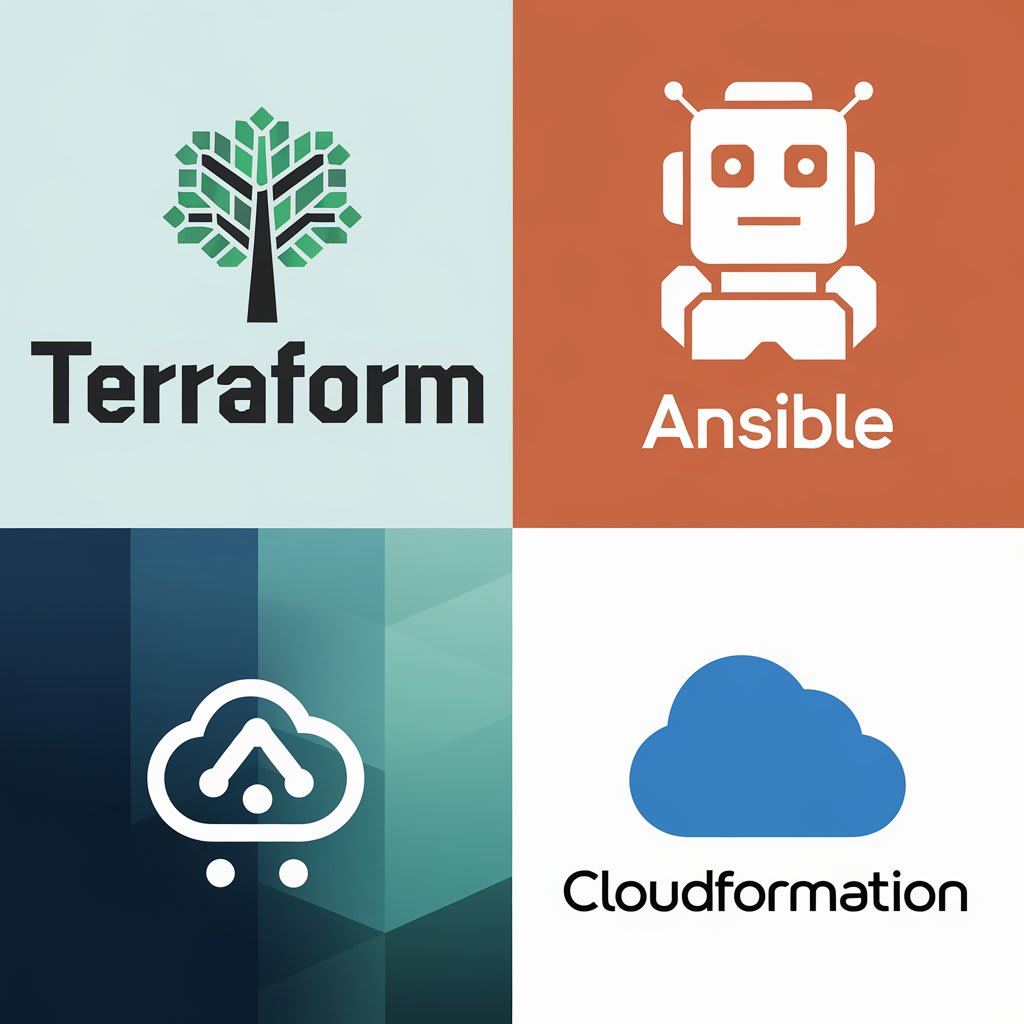
Table of Contents
- What is Infrastructure as Code?
- Efficiency Revolution: Changing Your Way of Life with IaC
- Unlocking Consistency; Reliable Environment is a Key
- Cost Savings: That Bottom-Line Impact of IaC
- Closing the Gap of Teams through Improving Collaboration
- Security and Compliance: A Safer Infrastructure through IaC
- Conclusion: The Best of Times Using IaC
Introduction: Embracing the Future of Infrastructure Management
In this era of time where speed and reliability are the ends, IaC is fast turning out to be that base, many organizations rely on as a part of their operations. The ability to alter and provision infrastructure through code rather than people marks it as one aspect that increases the overall efficiency and consistency by vast proportions. As businesses navigate through the challenges of cloud environments, the appreciation of the benefits of IaC becomes all the more important to gain a competitive edge.
This article delves deeper into the various benefits of IaC practices and how they improve efficiency and consistency in infrastructure management. In this Cloud Computing Course in Hyderabad, one becomes adept at these concepts, which will enable you to take proper decisions within your organization.
What is Infrastructure as Code (IaC)?
Infrastructure as Code is the latest new modern approach that has come to manage and provision all IT infrastructures in a machine-readable definition file rather than doing it via configuration of hardware or through an interactive tool. It hence allows automating the entire process for setting up, managing, and configuring all computing resources such as servers, networks, and storage.
Core Principles: IaC operates on several core principles, which include idempotence (repeated executions will yield the same outcome), declarative syntax in which one defines what the end result should be, and process automation to reduce the human intervention. It is these principles that keep workflows streamlined, retaining fewer complexities than associated with a classic management of infrastructure.
Tools and Technologies: A number of tools facilitate IaC practices, including Terraform, Ansible, and AWS CloudFormation. Each tool offers something unique tailored for a specific use case, so the right selection is critical for an organization.
The Efficiency Revolution: How IaC Changes Ops
Among the great benefits of adopting IaC lies in its phenomenal ability to heighten the efficiency of operations within organizations.
Automation at Scale: IaC takes away the need for human intervention in the provisioning and management of infrastructures. This, therefore, reduces the time it takes to set up environments to a fraction of that time when compared to human intervention. The automation aspect enables the teams to face other, more important issues other than being stuck on repeating manual processes.
Rapid Deployment: With IaC, organizations can quickly deploy complex
environments in minutes versus hours or days. This speed of development not only shortens development cycles but also enables businesses to react more rapidly and directly to the needs of markets or changes in customer preferences.
Error Reduction: Processes without code mean there is a human element involved, which creates an error risk. These errors in misconfiguration and downtime can be expensive. IaC defines infrastructure using code, which reduces the risks of such errors, hence reliable deployments are key.
Consistency is Key: Reliable Environments
Another significant advantage of IaC is that it can further help in maintaining consistency in different environments:
Standardized Configurations- With IaC, organizations can prepare standardized templates for configurations with regard to infrastructure. Such a standard configuration will ensure that every environment, whether it is in the development, testing, or production environment, all come to be aligned according to defined specifications.
Configuration drift elimination: It is an event of configuration drift whenever configuration modifications are not made by the defined infra code. This leads to dissimilar environments. IaC fends off configuration drift as it ensures that configuration is used everywhere through version control repositories of code.
Easy debugging: Consistent infrastructures at all levels ensure easier debugging if there ever develops a problem in the production environment. Teams can easily identify which part wasn't matched then fix the problem without necessarily having to do elaborate real analysis.
Cost Savings: Economic Impact of IaC
Multiple dimensions along which infrastructure as code reduces costs for organizations are great:
Reduced Labor Costs - Organizations reduce labor costs spent on manual configurations, freeing up their IT teams from non-strategic initiatives.
Optimized Resource Utilization: IaC will dynamically spin up and down the resources based on demand. It ensures that a business only pays for its requirements and wastes fewer resources on unutilized resources.
Time to Market: IaC contributes to rapid provisioning that enables the company to bring products and services much faster to the market. The quicker time to market improves the competencies and increases the potential amount of revenue because it enables business to capture the opportunities in the market sooner.
Improved Collaboration: Teams Connected
IaC improves the collaboration of development with operations teams, which is at the heart of the best practices on DevOps practices.
Shared Understanding: Because infrastructure is considered code, developers and operations personnel are working to the same set of specifications. Shared understanding helps improve the communication and collaboration of teams.
It's quite easy to keep track over time of changes using such version control systems as Git in the case of configurations that may be stored within the infrastructure. That automatically increases the level of accountability and provides a historical record that could be invaluable in an audit or troubleshooting.
Workflows are much smoother: since configurations are standardized and processes are automated, teams can work concurrently on different aspects of a project without stepping on each other's toes, thereby ensuring delivery cycles may be completed faster overall.
Security and Compliance: Making It Safer
Security is an intrinsic part of infrastructure management for the modern organization:
Automation of Security Protocols: With IaC, one can bake security protocols from the start, such that all deployments conform to set standards of security without those extra layers of review.
More Manageable Compliance Management: Codes make configurations more manageable to maintain industry-level compliance. This is because automation checks can be implemented into deployment pipelines to actively follow regulatory compliance in continuous modes.
Quicker Recovery Options: Security breaches or failures would be easier to recover if infrastructure is defined as code since recovery options are quicker for teams to redeploy a secure version of their infrastructure quickly, not with much downtime.
Conclusion: The Future with IaC
Infrastructure as Code is the new management of IT infrastructure, increasing efficiency and consistency across operations. Most of this is because the provisioning processes get automated alongside configurations getting standardized. Without manual interventions that come with many cost-related factors, firms would be able to engage more effectively with one another.
If they want deep insights on cloud technologies with upholding those best practices, there is immense potential for one to extract valuable insights into developing effective cloud strategies and tools necessary for modern IT environments with a Cloud Computing Course in Hyderabad.
Recap The promise of Infrastructure as Code allows not just the streamlining of operations but puts organizations in a great position with regard to less forward-thinking competitors who are still stuck on the traditional method, making it an integral part of any progressive IT approach into this fast-changing digital landscape!
About the Creator
jinesh vora
Passionate Content Writer & Technology Enthusiast. Professionally Digital Marketer.
Keep reading
More stories from jinesh vora and writers in Education and other communities.
Firewall and Intrusion Detection Systems:
Table of Contents Introduction: The Imperative of Cybersecurity Understanding Firewalls: The First Line of Defense Intrusion Detection Systems: Monitoring for Threats Types of Firewalls and Their Functions Types of Intrusion Detection Systems (IDS) Integrating Firewalls with IDS for Enhanced Security Best Practices for Implementing Firewalls and IDS Conclusion: Strengthening Your Security Posture
By jinesh voraabout a year ago in Education
Seven Books to Read When You Have No Time to Read
Modern life rarely leaves room for long, uninterrupted reading sessions. Between work, family, notifications, and daily responsibilities, finding hours to sit with a thick novel can feel impossible. Yet reading remains one of the most rewarding ways to relax, learn, and escape the noise of everyday life. The good news is that not all books demand weeks of commitment. Some are short, fast-paced, and powerful enough to be read in brief moments—during commutes, lunch breaks, or just before sleep. If your schedule is packed but your love for books remains strong, here are seven perfect reads for when time is limited but curiosity is not. 1. “The Old Man and the Sea” by Ernest Hemingway This classic novella is proof that a small book can carry enormous emotional weight. At just over 100 pages, Hemingway’s story of an aging fisherman battling a giant marlin is simple yet deeply symbolic. The language is clear and direct, making it easy to read in short sessions. Despite its brevity, the book explores themes of endurance, pride, and humanity’s relationship with nature. It is a reminder that you do not need a long novel to experience literary greatness. 2. “Animal Farm” by George Orwell Few books manage to be both entertaining and politically sharp in such a compact form. Orwell’s allegory of farm animals overthrowing their human owner is short, gripping, and unforgettable. The story moves quickly, with simple language and strong symbolism that makes it ideal for busy readers. You can read a chapter in minutes and still feel like you’ve engaged with something meaningful and thought-provoking. 3. “We Should All Be Feminists” by Chimamanda Ngozi Adichie Adapted from a popular TED Talk, this slim book packs a powerful message into fewer than 70 pages. Adichie discusses gender, culture, and equality in a personal and accessible way. It is perfect for readers who want insight without long explanations. The conversational tone makes it feel less like homework and more like a thoughtful conversation with a friend. 4. “Of Mice and Men” by John Steinbeck Steinbeck’s short novel about friendship and dreams during the Great Depression is emotionally rich but easy to follow. The characters of George and Lennie stay with readers long after the final page. Its short chapters and clear narrative make it ideal for those who can only read in small bursts. Despite its simplicity, the book deals with loneliness, hope, and tragedy in a powerful way. 5. “The Little Prince” by Antoine de Saint-Exupéry Often seen as a children’s book, The Little Prince is deeply philosophical and touching for adults as well. With short chapters and gentle illustrations, it is easy to read in one or two sittings. The story reflects on love, responsibility, and the loss of childhood wonder. It is a comforting book for readers who want something meaningful but not mentally exhausting. 6. “Letters to a Young Poet” by Rainer Maria Rilke This book is a collection of short letters rather than a continuous story, making it ideal for fragmented reading time. Each letter stands alone and offers wisdom about creativity, self-doubt, and personal growth. You can read one letter in five minutes and still feel enriched. It is perfect for readers who want inspiration without committing to a long narrative. 7. “The Alchemist” by Paulo Coelho Coelho’s famous novel is written in simple language and short chapters, making it highly accessible. The story follows a young shepherd on a journey to find treasure, but its true focus is on purpose, destiny, and listening to one’s heart. Many readers finish this book quickly because of its smooth pacing and motivational tone. It is ideal for moments when you want encouragement rather than complexity. Why Short Books Matter Short books are not lesser books. In many cases, they demand more discipline from the author and offer greater focus for the reader. When time is scarce, these works provide a sense of completion and accomplishment. Finishing a book—even a small one—can restore confidence and reignite the habit of reading. They also suit modern lifestyles. A few pages before bed or during a commute can slowly build into a meaningful reading experience. Instead of waiting for the perfect free weekend, short books allow reading to fit into everyday life. Making Reading Possible Again If you feel too busy to read, the solution is not to quit—it is to adjust expectations. Choose books that match your schedule. Keep one in your bag or on your phone. Replace five minutes of scrolling with five minutes of reading. Over time, these small moments add up. Conclusion Reading does not require endless free time. It requires intention and the right kind of books. These seven titles prove that powerful stories and ideas can be delivered in short, accessible forms. Whether you want inspiration, reflection, or escape, there is always room for a book—even in the busiest life. When time is limited, let these books remind you that literature does not have to be long to be lasting.
By Fiaz Ahmed 6 days ago in Education
The Increasing Gender Disparity in College Degree Attainment
The gender gap in American higher education has widened significantly, with men falling behind women in both college enrollment and completion rates. As of the early 2020s, women have outpaced men in earning bachelor's degrees for several decades, with the divide continuing to grow, often referred to as the "enrollment flip". In 2021, men received only 42% of bachelor's degrees, the lowest share on record, which is roughly equal to the 43% of degrees awarded to women in 1970 (source: https://aibm.org/research/male-college-enrollment-and-completion/).
By Megan Wilson6 days ago in Education
Self Help: Grifters' Gospel
On Self-Help, Snake Oil, and the Illusion of Change Psychology professionals and students can be imagined on two opposite sides of a line called self-help books: likely a larger group opposes pop-science and step-by-step manuals filled with talk of success, journaling, and not giving a f**k; others love them, but they aren’t many.
By Avocado Nunzella BSc (Psych) -- M.A.P 7 days ago in BookClub




Comments
There are no comments for this story
Be the first to respond and start the conversation.