
Feline Reverence
The Ancient Egyptian Obsession with Cats

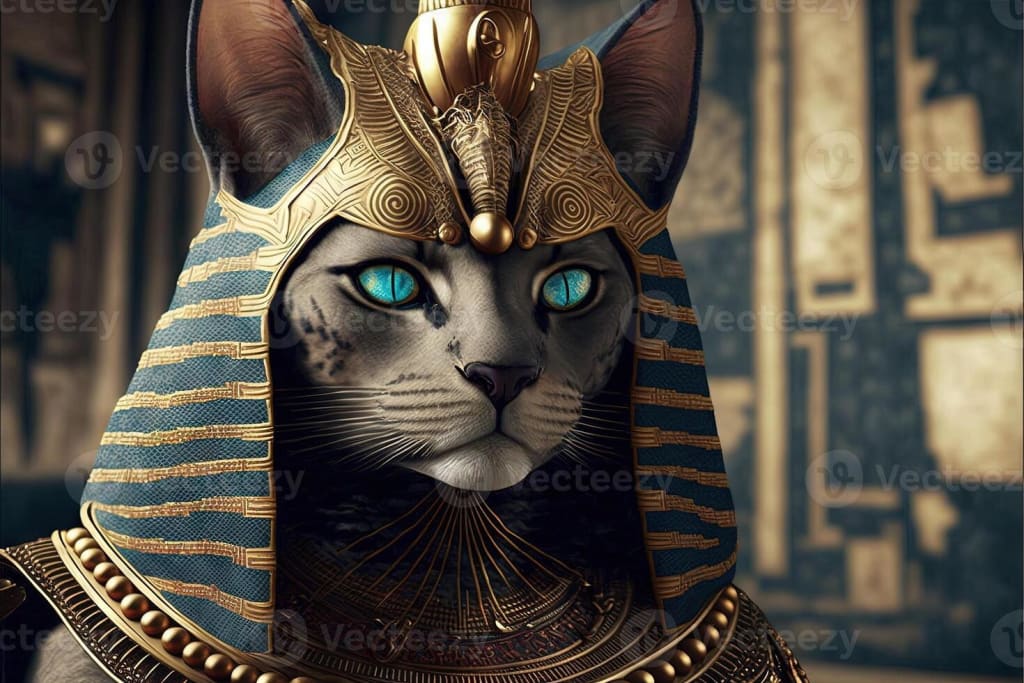
Cats held a prominent place in ancient Egyptian society, revered for their beauty, grace, and mysterious qualities. This fascination stemmed from various cultural, religious, and practical factors that made cats integral to Egyptian life.
Cats were deeply embedded in the fabric of Egyptian culture. The ancient Egyptians believed that felines embodied divine qualities, as they were often associated with various gods and goddesses. The goddess Bastet, depicted as a lioness or a woman with a lioness head, represented home, fertility, and domesticity. Conversely, Sekhmet, another lioness goddess, embodied destruction and healing. This duality showcased the multifaceted role cats played in both daily life and the spiritual realm.
The Egyptians viewed cats as protectors. Their natural hunting abilities helped control pests, such as rats and mice, that threatened food supplies. This practical aspect contributed to their revered status, as keeping homes and granaries free from vermin was crucial for survival in a society that relied heavily on agriculture.
Cats were not merely companions; they were considered sacred animals. Their connection to the divine was evident in the rituals and mourning practices surrounding their deaths. When a cat died, families went into mourning, reflecting the deep emotional bond between humans and these animals. They often buried their cats with great care, sometimes in elaborate tombs, and even mummified them to ensure a safe passage to the afterlife.
Archaeological evidence reveals the existence of cat cemeteries, where thousands of cat mummies were found. This practice highlighted the extent of their veneration. The Egyptians believed that mummifying cats was essential to appease the deities and ensure protection for both the living and the deceased. In temples dedicated to Bastet, priests raised cats in large pens, emphasizing their importance in religious practices.
The artistic output of ancient Egypt further illustrates the cultural significance of cats. Statues, amulets, and paintings often depicted cats in various poses, celebrating their beauty and elegance. The craftsmanship of these artworks reflects not only the admiration for felines but also their symbolic power in society. Many ancient Egyptians wore cat-shaped amulets as protective charms, showcasing their enduring belief in the mystical qualities of cats.
The ancient Egyptian word for cat, *miu*, even highlights their affection for these animals. The relationship between humans and cats transcended mere companionship; it was a bond steeped in reverence and admiration.
Cats possess an enigmatic nature that has captivated humans throughout history. Their independent behavior and hunting prowess contribute to their allure. Unlike dogs, which are pack animals, cats exhibit a more solitary demeanor, often appearing aloof and self-sufficient. This mysterious quality has fueled myths and beliefs about their connection to the supernatural.
In ancient Egypt, this mystique manifested in the belief that cats could see spirits and protect homes from malevolent forces. They were thought to have a unique ability to traverse between the physical and spiritual worlds, reinforcing their status as sacred beings.
The economic role of cats in ancient Egypt cannot be overlooked. Their ability to hunt and control pests was crucial for safeguarding grain stores, a staple in the Egyptian diet and economy. The reverence for cats ensured their protection; harming a cat was considered a grave offense, often punishable by death. This societal structure highlights the depth of their importance in both the spiritual and practical aspects of life in ancient Egypt.
The ancient Egyptians' obsession with cats was a complex interplay of cultural, religious, and practical factors. From their divine associations with goddesses to their role in maintaining agricultural stability, cats occupied a unique position in Egyptian society. This admiration for felines not only shaped their daily lives but also left a lasting legacy in the form of artistic representations and mummified remains. Even today, the fascination with cats continues, echoing the sentiments of an ancient civilization that recognized the beauty and mystery of these remarkable animals.
About the Creator
Mariana
I'm a storyteller at heart, weaving narratives that uncover the extraordinary. I write to provoke thought, inspire and stir the soul. Join me in exploring the magic in the mundane, where creativity and passion leave a lasting impact.
Cultivating a Culture of Innovation: A Leadership Blueprint for Change in Health Networks
Cultivating a culture of innovation is one of the most important goals for leaders in health networks today. Hospitals and clinics face constant pressure. Patient needs are rising. Costs are increasing. Regulations continue to shift. In this environment, standing still is not an option. Leaders must guide steady progress. Cultivating a culture of innovation helps health networks respond with confidence and purpose.
By Craig Kent3 days ago in Education
Spain Beauty Products Market Outlook Clean Beauty Trends and Premium Innovation Driving Steady Growth 2026–2034
The Spain beauty products market was valued at USD 9.7 billion in 2025, reflecting the country’s strong and well-established position within Europe’s personal care and cosmetics industry. Spain has long maintained a vibrant beauty culture influenced by fashion, dermatological awareness, and a growing emphasis on wellness. Despite being considered a mature market, the sector continues to demonstrate resilience and adaptability in response to changing consumer expectations. According to estimates by IMARC Group, the market is projected to reach USD 11.2 billion by 2034, expanding at a compound annual growth rate (CAGR) of 1.55% during 2026–2034. Although this growth rate appears moderate, it highlights the industry’s stability and its ability to sustain consistent revenue generation over the long term.
By Neeraj kumar5 days ago in Education



Comments (2)
Very educational
Very eye opening