
Essential Guide to Shipping Container Interior Painting
Learn the best paint options and tips for shipping container interior painting to create a durable, functional, and inviting space.


Shipping containers have become popular because they are strong and flexible. But one important part that people often forget about is the inside of the container. Whether you're turning your shipping container into a home, office, or storage area, painting the interior is a key step. In this post, we will show you the best types of shipping container paint for interiors and give you tips on how to paint the inside properly.
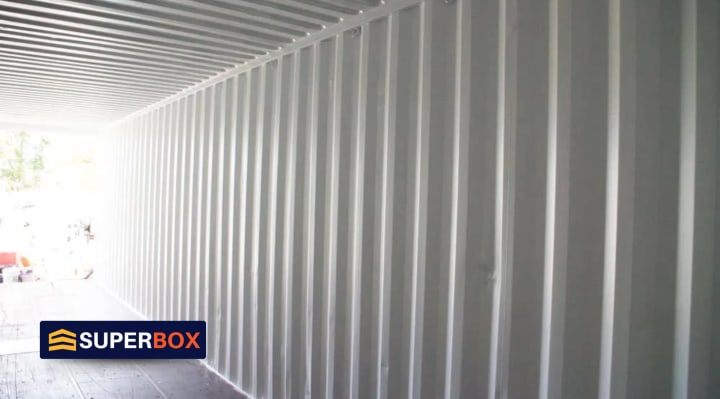
Why Paint the Interior of a Shipping Container?
Painting the inside of the container offers several key advantages such as:
Aesthetic Appeal: A new coat of paint can make the container look more inviting and feel more like a home or office.
- Protection from Rust and Corrosion: Moisture and humidity can cause the metal to rust over time. Using quality paint helps protect the metal and can make the container last longer.
- Improved Lighting and Space Perception: Light-colored paint can reflect more light, making the inside of the container feel brighter and more spacious.
- Smell and Insulation Benefits: Paint can help reduce the metal smell inside the container and add an extra layer of insulation to keep it more comfortable.

What Are the Best Paints for Shipping Container Interiors?
When painting the interior of a shipping container, it's important to choose the right paint to ensure it’s both durable and attractive. Here are some of the best paint options for container interiors:
Epoxy Paint
Epoxy paint is one of the most durable choices. It resists moisture, stains, and wear, making it ideal for high-traffic areas. It provides a strong, long-lasting finish that can withstand tough conditions.
Acrylic Paint
Acrylic paint is easy to apply, dries quickly, and comes in a variety of colors. It's a great option if you're looking for something safe, low-odor, and versatile. While not as durable as epoxy, it’s still a solid choice for general use inside the container.
Oil-Based Paint
Oil-based paints offer a smooth, long-lasting finish with temperature fluctuations and moisture. This type of paint is perfect for containers exposed to rough weather, although it does take longer to dry and has a stronger odor.
Rust-Inhibiting Paint
Since shipping containers are made of metal, rust can be a major issue. Rust-inhibiting paint prevents rust buildup and protects the metal, especially in humid or wet conditions. It’s a great way to keep the container in good condition over time.
Marine-Grade Paint
Marine-grade paint is designed for extreme environments, such as near saltwater or heavy rainfall. It’s highly durable and provides excellent corrosion protection, making it a great choice for containers in coastal or wet climates. Marine-grade paint ensures your container is protected from the harshest conditions.

Step-by-Step Guide to Shipping Container Interior Painting
Now that you've picked your paint, it's time to get started! Here's a simple step-by-step guide:
Step 1: Clean the Surface
Before you start painting, it's important to clean the surface well. Use a wire brush or pressure washer to get rid of dirt, grime, and any rust patches that might have formed on the container.
Step 2: Choose the Right Paint
As mentioned earlier, different types of paint work best for different needs. Pick a high-quality paint specifically designed for metal surfaces that can handle the conditions your container will face.
Step 3: Apply a Primer
A good primer is key. It helps the paint stick better to the surface and stops rust or stains from showing through, ensuring a smooth fresh coat of paint.
Step 4: Paint the Interior
Utilize a paintbrush, roller, or paint sprayer to apply your paint. Be sure to apply thin, even layers and let each coat dry before applying the next one for the best paint job.
Step 5: Drying Time & Ventilation
Let the paint dry completely before putting anything inside the container. Make sure the area is well-ventilated to avoid breathing in any paint fumes.
Conclusion
Painting the inside of a shipping container is key to turning it into a useful and comfortable space, whether for a home, office, or storage. It improves the look, protects against rust, and helps with lighting, insulation, and odors. By choosing the right paint—like epoxy, acrylic, oil-based, rust-inhibiting, or marine-grade—you’ll keep the container in great shape.
Following the steps for cleaning, priming, and painting will give you the best results. With a little effort, you can create a durable and welcoming space that will last for years.
SuperBox: Quality Shipping Containers & Interior Painting Services
Transform your shipping container into a functional and inviting space with SuperBox's expert container interior painting services. We offer top-quality shipping containers for all your needs, and our interior paint job will protect, beautify, and enhance the space. Get in touch today to learn more about our containers and painting services! Call us now at 1-866-696-9269.
About the Creator
SuperBox Shipping Containers
SuperBox offers a wide range of standard and high cube shipping containers for sale, modular containers, and custom-built solutions. Call us now for a free quote!
Keep reading
More stories from SuperBox Shipping Containers and writers in Education and other communities.
Choosing the Best Atlanta Storage Containers for You
Atlanta storage containers can be a great option if you're running out of space and need extra room for your belongings. Whether moving, renovating, or just needing a safe place to store your things, storage containers in Atlanta GA offer a simple and cost-effective solution.
By SuperBox Shipping Containers12 months ago in Education
How Intentional Blessings Are Supporting Mental Health Awareness in the U.S.
Introduction Mental health awareness in the United States has grown significantly in recent years. Alongside therapy, mindfulness, and lifestyle changes, many Americans are turning to intentional blessings as a complementary practice for emotional well-being.
By Shahid Khan5 days ago in Education
What Is Polarization of Light?
Understanding Light as a Wave To understand polarization, we must first understand light as a wave. Light is an electromagnetic wave, meaning it consists of oscillating electric and magnetic fields that travel through space. These oscillations occur perpendicular to the direction the light is moving.
By shahkar jalal3 days ago in Education




Comments
There are no comments for this story
Be the first to respond and start the conversation.