
Chinese Medicine
An Ancient System of Healing
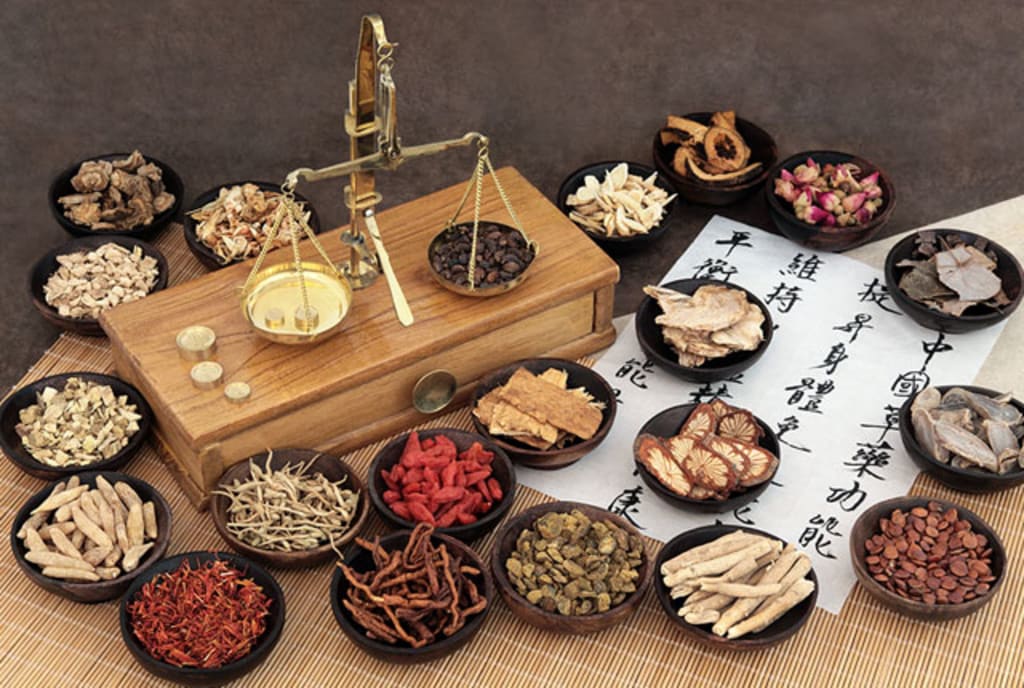
Chinese medicine, also known as Traditional Chinese Medicine (TCM), is one of the oldest healing systems in the world, dating back over 2,500 years. It is a comprehensive approach to health that focuses on balancing the body, mind, and spirit. The practice includes herbal remedies, acupuncture, tai chi, and dietary therapy, all aimed at maintaining harmony and treating disease by restoring the body's natural balance. In this article, we’ll explore the history, key principles, common treatments, and the growing relevance of Chinese medicine in modern healthcare.
History of Chinese Medicine
Chinese medicine has deep roots in ancient Chinese philosophy, particularly Taoism and Confucianism. The foundational texts, such as the "Huangdi Neijing" (The Yellow Emperor's Classic of Medicine), which dates back to around the 2nd century BCE, outline the principles of TCM and how the human body is connected to the natural world. These writings emphasize the importance of balance and flow in maintaining health.
The practice evolved over centuries, influenced by both empirical observations and philosophical teachings. Despite changes in Chinese dynasties, wars, and foreign influences, Chinese medicine retained its core principles and continued to develop. During the 20th century, TCM was officially integrated into the healthcare system in China, running parallel with Western medicine. Today, TCM is practiced globally, especially in regions like Southeast Asia, Europe, and North America.
The Key Principles of Chinese Medicine
Chinese medicine revolves around the idea that health is a state of balance in the body, and illness occurs when this balance is disrupted. The fundamental concepts include Qi, Yin and Yang, and the Five Elements.
Qi (Vital Energy): Qi is the life force or vital energy that flows through the body’s meridians or pathways. A free and balanced flow of Qi is considered essential for good health, while blockages or imbalances in Qi can lead to illness.
Yin and Yang: Yin and Yang represent opposite but complementary forces. Yin is associated with qualities like coolness, darkness, and stillness, while Yang represents heat, light, and activity. A healthy body is one where Yin and Yang are balanced.
The Five Elements: Wood, Fire, Earth, Metal, and Water form the basis of the Five Element theory. Each element corresponds to specific organs, emotions, seasons, and bodily functions. Practitioners of TCM use this theory to diagnose and treat illnesses based on the relationships between these elements.
These principles guide diagnosis and treatment, focusing on understanding the individual’s unique constitution and the environmental factors affecting them.
Common Treatments in Chinese Medicine
Traditional Chinese Medicine uses a variety of therapeutic techniques to restore balance in the body. Some of the most common methods include:
Herbal Medicine Herbal remedies are a cornerstone of Chinese medicine. Hundreds of herbs, including roots, bark, flowers, and minerals, are used either individually or in combination to create specific formulas tailored to the patient’s condition. Herbal treatments are designed to address the root cause of illness rather than just alleviating symptoms.
Commonly used herbs include:
Ginseng (Ren Shen): Often used to boost energy and vitality.
Ginger (Sheng Jiang): Known for its warming properties and ability to aid digestion.
Licorice Root (Gan Cao): Used to harmonize formulas and detoxify the body.
Astragalus (Huang Qi): Helps to strengthen the immune system and increase energy.
Herbal medicine can be administered in various forms such as teas, powders, capsules, and topical applications.
Acupuncture Acupuncture involves the insertion of fine needles into specific points on the body to stimulate Qi flow and restore balance. These points, located along meridians, are believed to correspond with particular organs and systems in the body. Acupuncture is commonly used to treat pain, headaches, digestive issues, and stress, and it has gained significant recognition in the West for its effectiveness in managing chronic conditions like arthritis and migraines.
Moxibustion Moxibustion is a technique that involves burning dried mugwort (moxa) near or on acupuncture points to warm the body and stimulate the flow of Qi. It’s often used in conjunction with acupuncture, especially in conditions where cold or dampness is believed to block Qi flow.
Cupping Cupping involves placing heated cups on the skin to create suction. This method is believed to stimulate blood flow and Qi, relieve muscle tension, and expel toxins from the body. Cupping has gained popularity among athletes for muscle recovery and pain relief.
Tai Chi and Qigong Both Tai Chi and Qigong are movement-based practices designed to promote the flow of Qi in the body. Tai Chi, often referred to as "meditation in motion," is a martial art that combines slow, flowing movements with deep breathing. Qigong, on the other hand, focuses on breathing exercises and slow movements to cultivate and balance Qi. These practices are particularly beneficial for improving balance, flexibility, and mental focus.
Dietary Therapy Chinese dietary therapy is based on the principle that food has the power to either nourish or harm the body, depending on its properties and how it is consumed. Foods are classified according to their energetic qualities (cooling, warming, neutral) and their ability to tonify (strengthen) or clear (remove excess) specific organs and systems.
For instance, someone with excess heat in their system may be advised to eat cooling foods such as cucumber and watermelon, while someone with a deficiency may be encouraged to consume warming foods like ginger and lamb.
Chinese Medicine in Modern Healthcare
In recent years, Chinese medicine has gained recognition as a complementary therapy to conventional medicine. Research has demonstrated the effectiveness of treatments like acupuncture for pain relief, and herbal remedies are being studied for their potential in treating conditions such as diabetes, heart disease, and respiratory issues.
The World Health Organization (WHO) recognizes TCM as a viable healthcare system and has incorporated it into its International Classification of Diseases (ICD-11). This growing acceptance of Chinese medicine is fueled by its holistic approach, which emphasizes prevention, lifestyle changes, and individualized care.
Criticism and Challenges
While TCM has a long history and is widely used, it is not without its critics. Some argue that the lack of scientific evidence supporting certain practices makes TCM less reliable than modern Western medicine. Additionally, concerns have been raised about the safety and quality control of certain herbal products, especially those that may contain heavy metals or other contaminants.
Despite these challenges, many people turn to Chinese medicine for its natural and holistic approach to healing, especially when conventional treatments fail to provide relief or come with undesirable side effects.
Conclusion
Chinese medicine offers a unique perspective on health and healing, focusing on balance, prevention, and treating the root cause of illness. Its time-tested therapies such as acupuncture, herbal medicine, and dietary adjustments continue to be used by millions worldwide. As more research is conducted and its benefits are increasingly recognized, Chinese medicine is likely to play an even greater role in integrative healthcare, blending ancient wisdom with modern science to improve overall well-being.
Credit : Easytoken
About the Creator
Keep reading
More stories from Gaurav Dharamishi and writers in Education and other communities.
Tips for Pregnant Women for a Safe Delivery
Pregnancy is a beautiful journey that brings joy and excitement, but it can also come with concerns, especially when it comes to ensuring a safe delivery. A healthy pregnancy requires both physical and mental preparation to create the best environment for the mother and the baby. Here are some essential tips for pregnant women to help ensure a safe delivery.
By Gaurav Dharamishiabout a year ago in Education
Digital Shield: How Strategic Leadership in IT Protects Organizations from Cyber Threats
Strategic leadership in IT is now one of the most important parts of keeping any organization safe. Cyber threats grow each year, and attackers look for new ways to breach systems. Many businesses struggle because they do not prepare for these risks in time. With strong leadership, IT teams can understand threats early and build defenses that protect people, data, and operations.
By Keith Brautigam5 days ago in Education
The Digital Dining Revolution Inside France $125 Billion Foodservice Surge
The era of “one-size-fits-all” dining experiences is officially over. Strolling through the streets of Paris, Lyon, or Marseille in 2026 or scrolling through a food delivery app on your phone it’s evident that the modern French diner is one of the most discerning in the world. I call them “Gastronomy Strategists” consumers who balance culinary curiosity with health-conscious decision-making, valuing provenance, nutrition, and convenience over simple indulgence.
By Neeraj kumar3 days ago in Education




Comments
There are no comments for this story
Be the first to respond and start the conversation.