
10 Times the Human Brain Completely Betrayed Reality
Memory, perception, and the terrifying ways they fail us

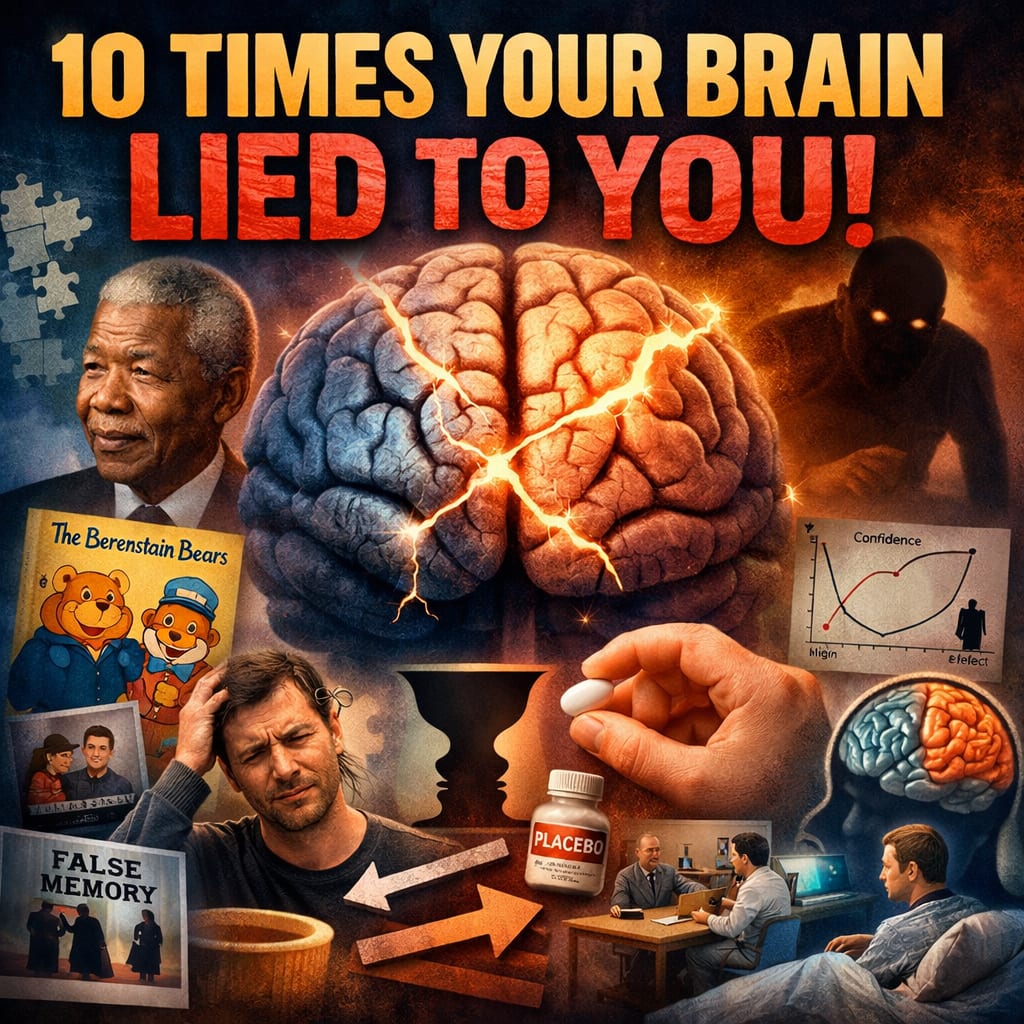
The human brain feels powerful. It helps us think, remember, love, and survive. But it also lies to us — often without warning. What we see, hear, and remember is not always real. Sometimes, our brain changes reality without telling us.
Here are ten powerful and sometimes frightening ways the brain betrays us.
---
1. The Mandela Effect: When Millions Remember Something Wrong
Many people clearly “remember” things that never happened.
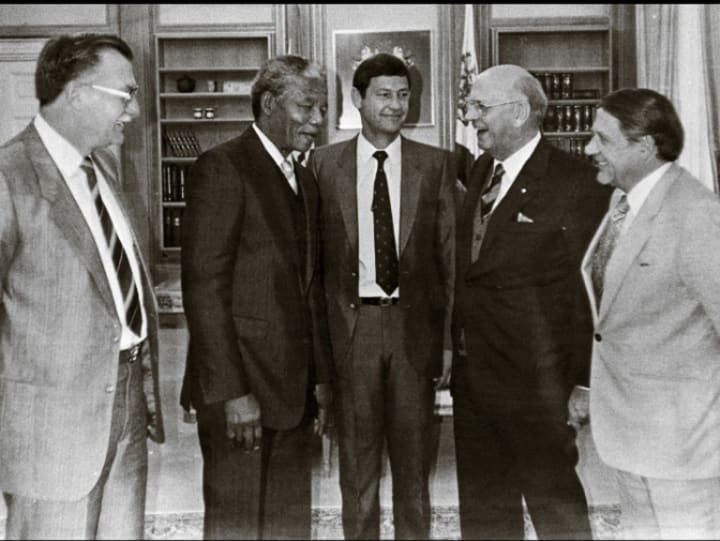
For example, some people believe Nelson Mandela died in prison in the 1980s. In reality, Nelson Mandela was released in 1990 and died in 2013.
Others remember the children’s book as The Berenstein Bears, but the correct name is The Berenstain Bears.
This shows something shocking: memory is not a recording. It is a reconstruction. And sometimes, it builds the wrong story.



---
2. Optical Illusions: Seeing What Isn’t There
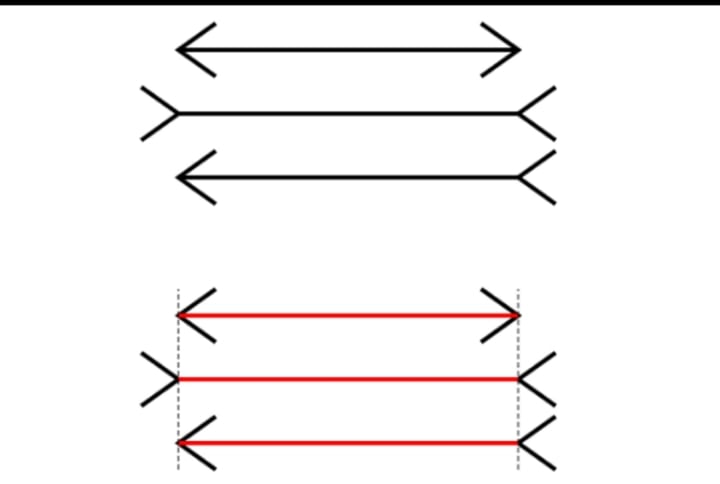
Two lines can be the same length, but your brain insists one is longer.
A still image can appear to move.
Optical illusions prove that vision is not just about the eyes. The brain fills in gaps, guesses shapes, and predicts meaning. Sometimes, those guesses are wrong.
You are not seeing the world as it is — you are seeing the brain’s best guess.


3. False Memories: Remembering Events That Never Happened
Psychologist Elizabeth Loftus showed that people can be convinced they experienced events that never happened — like being lost in a shopping mall as a child.
After hearing a fake story several times, many participants began to “remember” it clearly.
This has serious effects in courtrooms, where eyewitness memory is often trusted. But memory can be changed by suggestion.
---


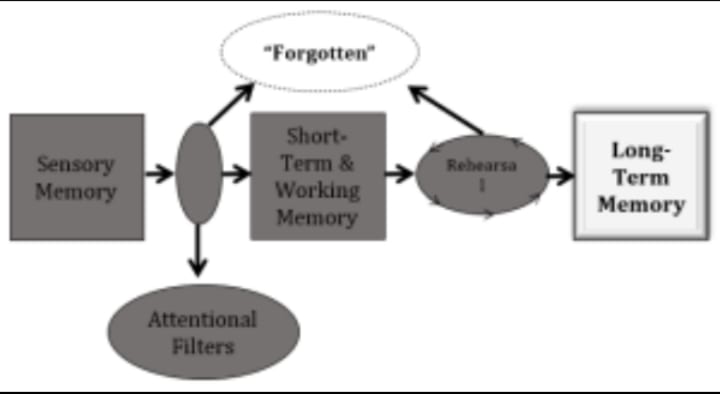
4. Change Blindness: Missing the Obvious
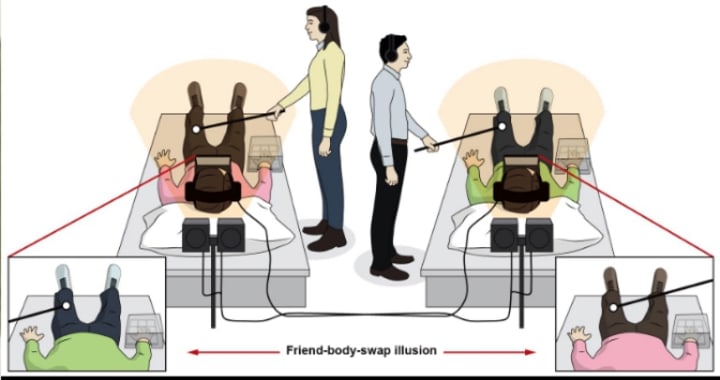
In experiments, a person asking for directions is secretly replaced by another person during a distraction. Shockingly, many people do not notice the switch.
This is called change blindness. The brain only focuses on a few details at a time. Everything else is filtered out.
You may think you see everything. You don’t.



---
5. The Placebo Effect: Healing Without Medicine
A sugar pill with no real medicine can reduce pain — if a person believes it will work.
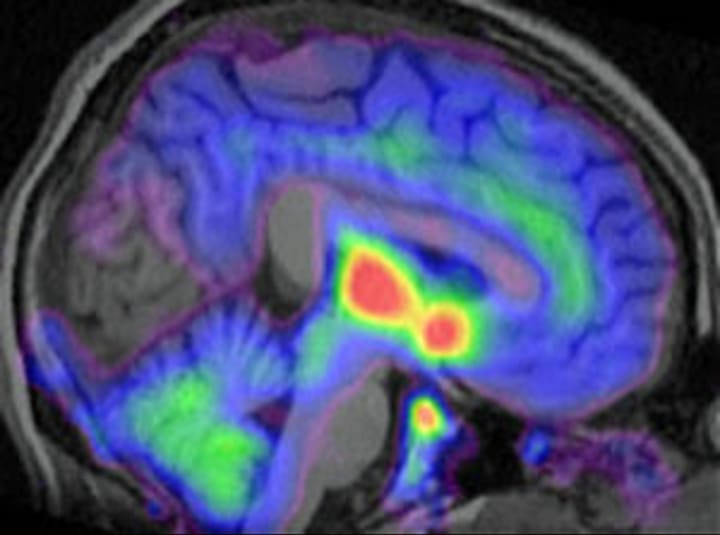
Brain scans show real physical changes when someone expects relief. Belief alone can activate natural chemicals in the brain.
The mind can create healing… even when nothing physical changed.



---
6. Déjà Vu: The Strange Feeling of “I’ve Been Here Before”
That sudden feeling that a new moment has happened before is called déjà vu.
Scientists believe it may happen when the brain processes a new situation twice — once quickly and once normally — creating a false sense of familiarity.
For a few seconds, reality feels broken.

---
7. Confabulation: The Brain Fills the Gaps
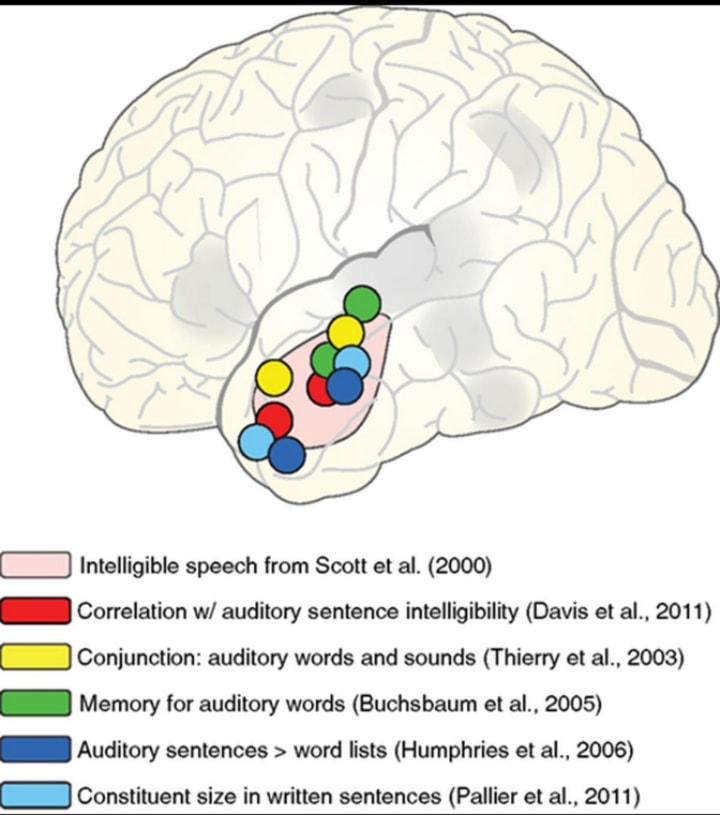
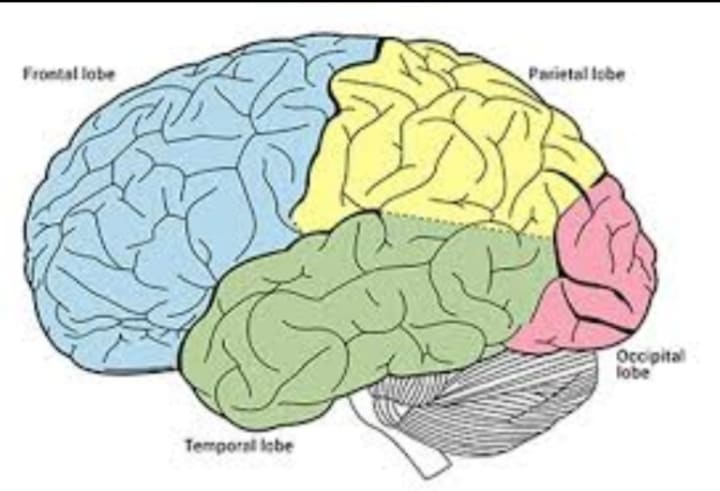
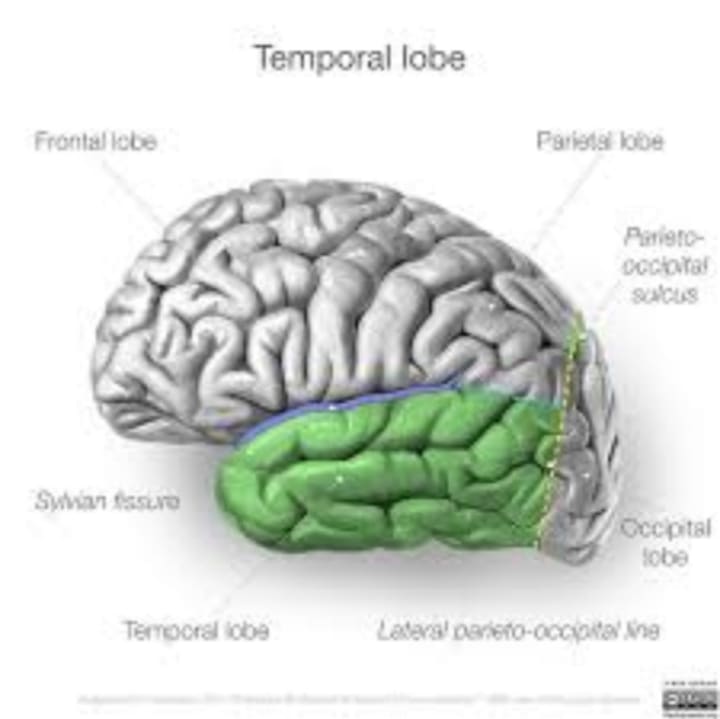
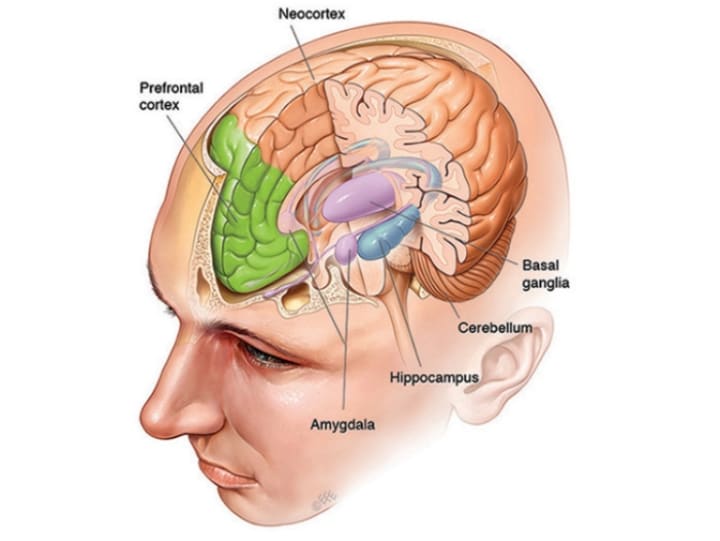
When people have memory damage, they sometimes create stories to fill missing gaps — without knowing they are doing it.
This is called confabulation. The brain prefers a complete story over admitting “I don’t know.”
Sometimes, confidence does not mean truth.
---
8. Sleep Paralysis: When Dreams Invade Reality
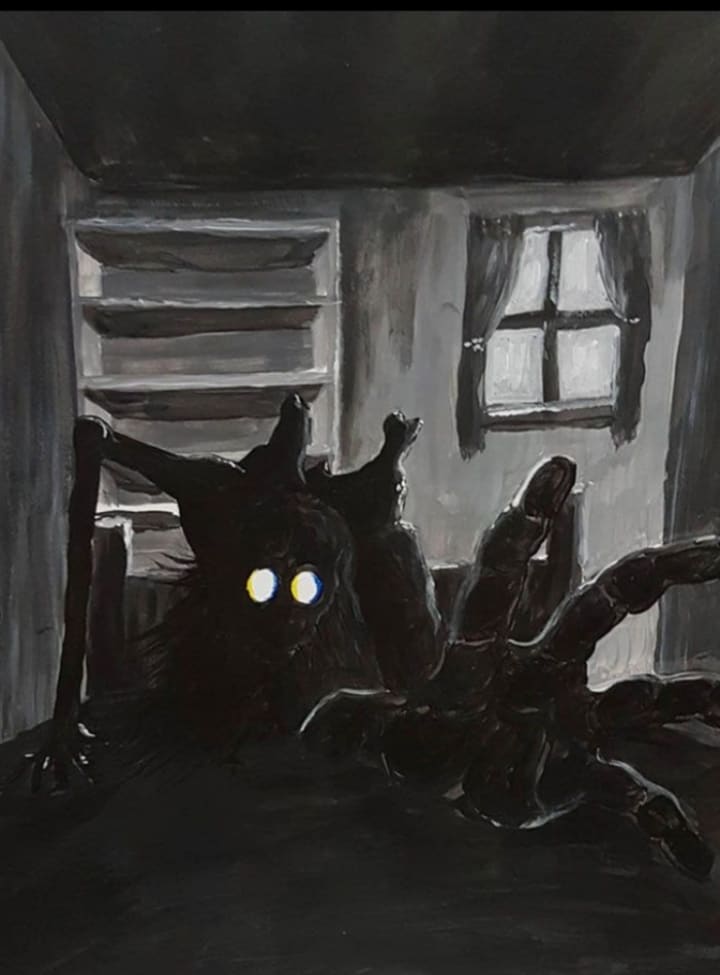
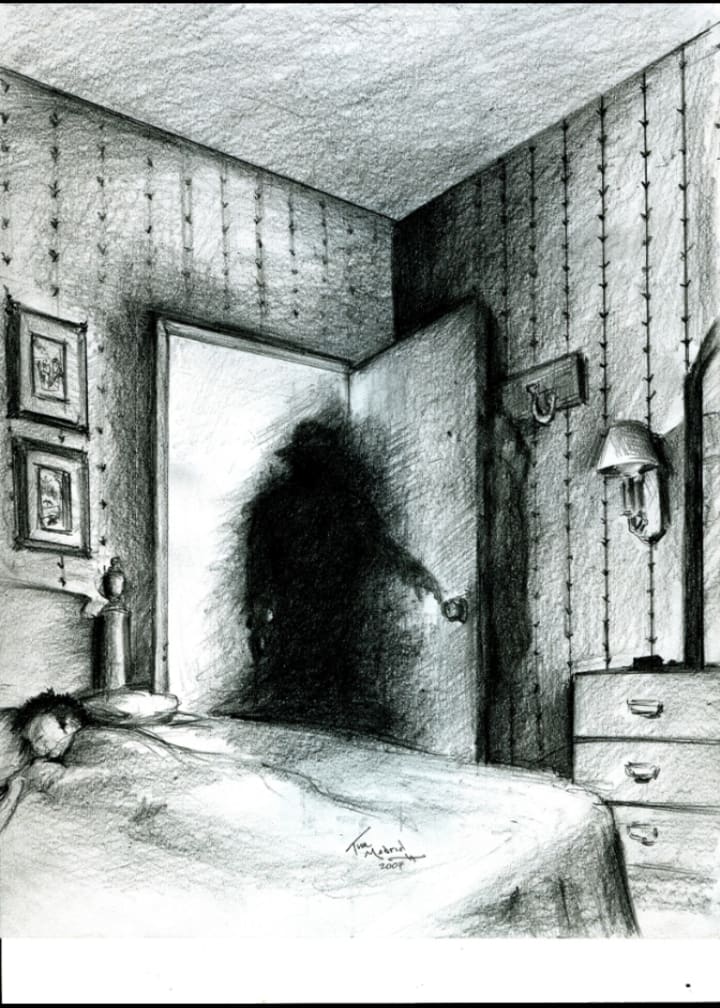
During sleep paralysis, a person wakes up but cannot move. Many report seeing shadowy figures or feeling a presence in the room.
This happens when dreaming (REM sleep) continues while the body is awake.
The terror feels real — because to the brain, it is real.


---
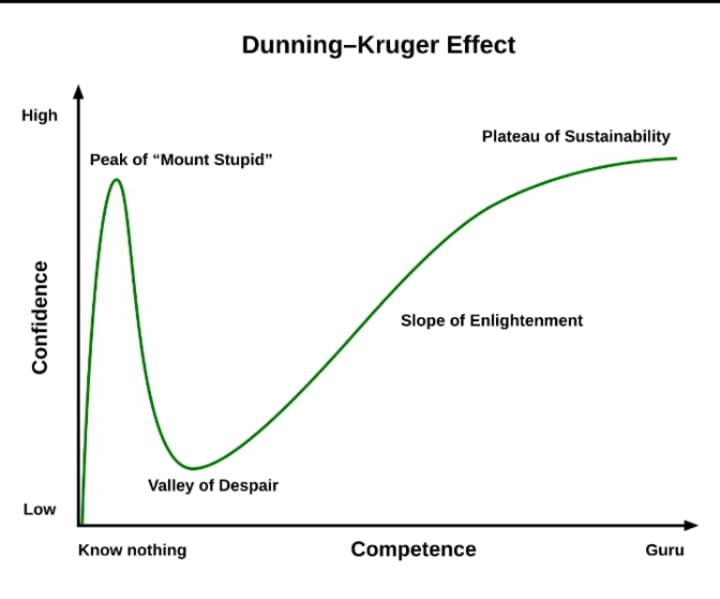
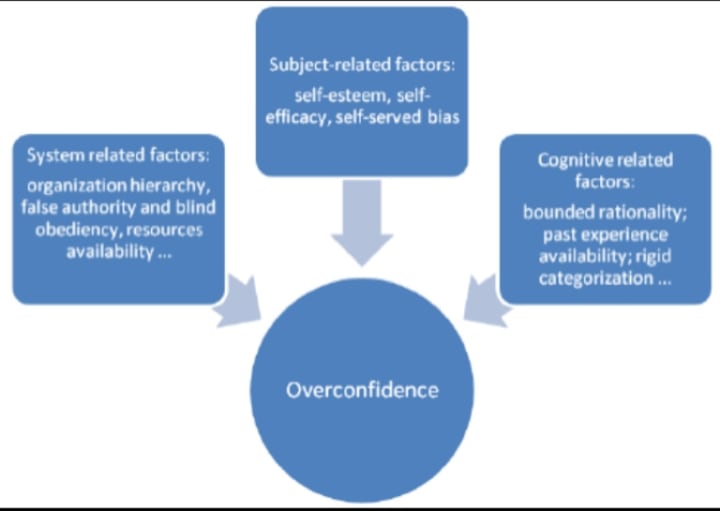
9. The Dunning–Kruger Effect: Confidence Without Skill
Research by David Dunning and Justin Kruger found that people with low ability often overestimate their skill.
When you don’t know much, you may not know how much you don’t know.
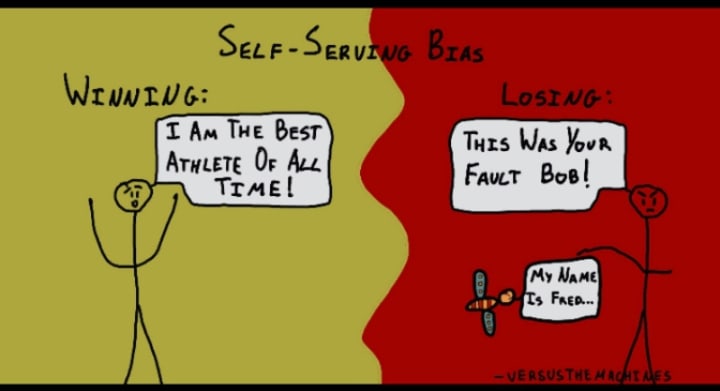
The brain protects ego — even from reality.

---
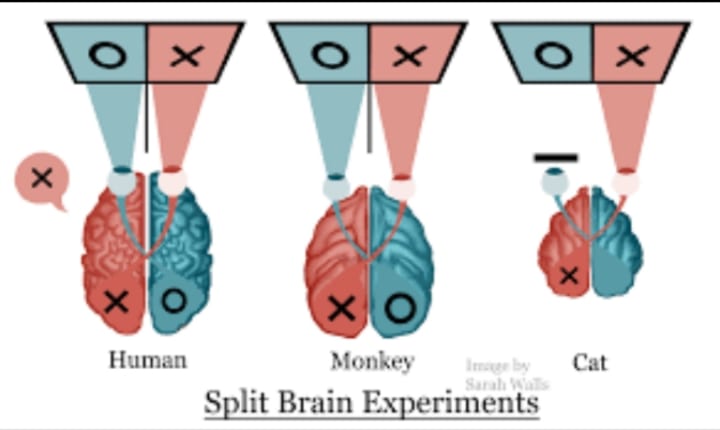
10. Split-Brain Experiments: Two Minds in One Body
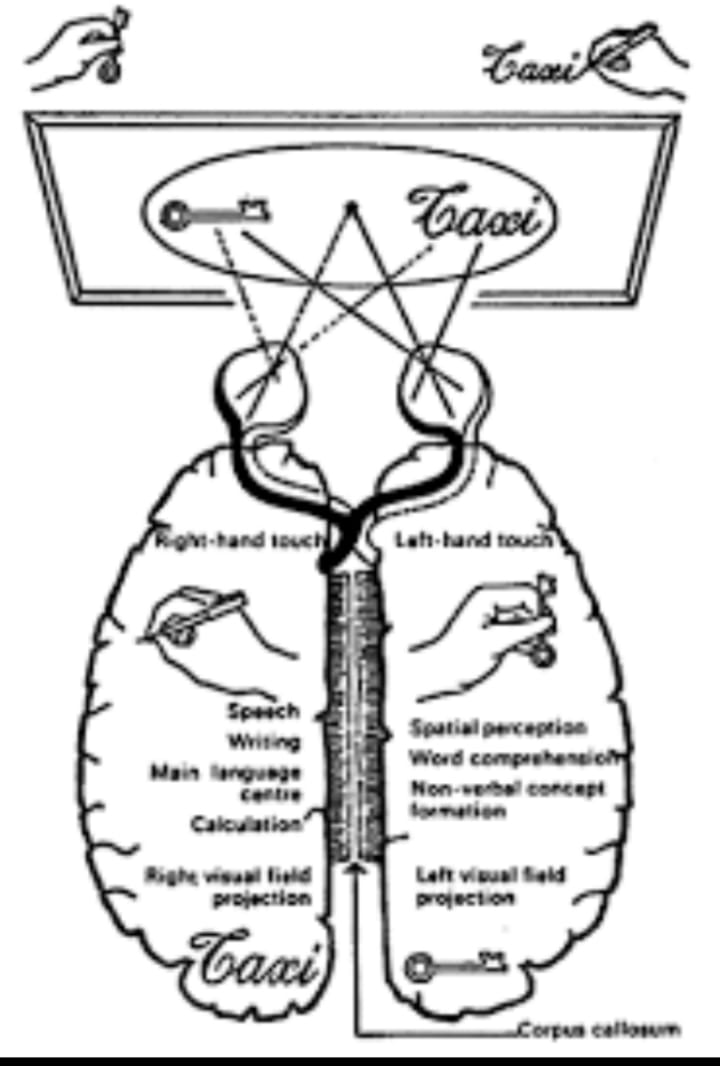
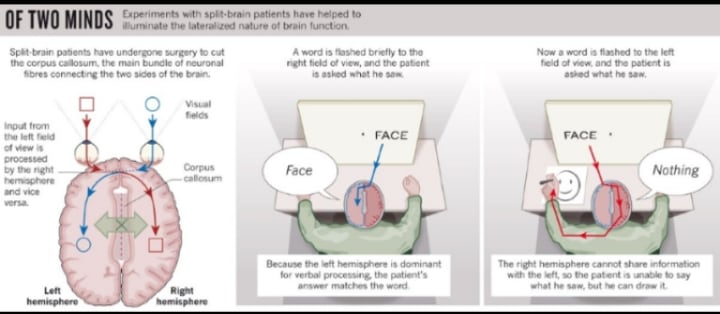
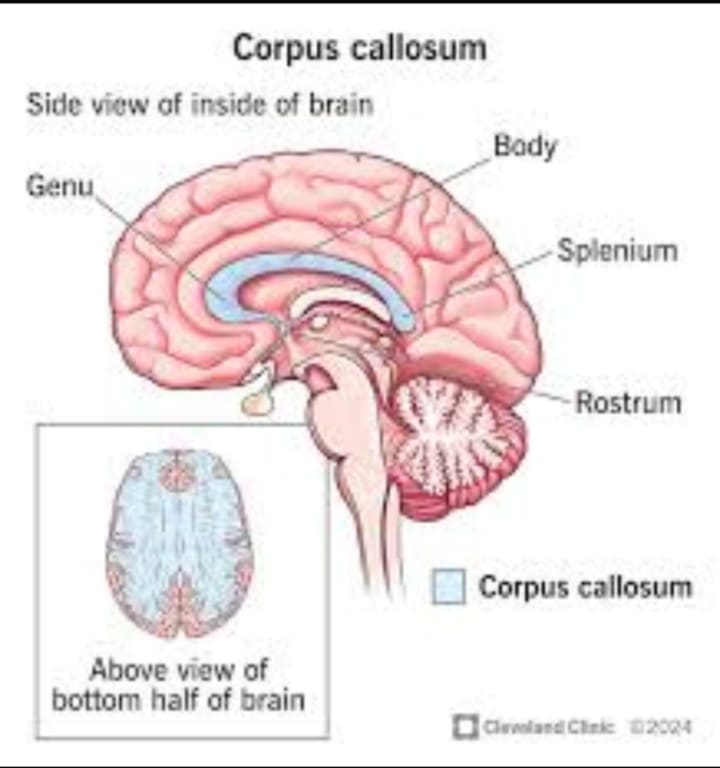
In studies by Roger Sperry, patients whose brain hemispheres were separated behaved in surprising ways.
One hand could button a shirt while the other unbuttoned it.
One side of the brain knew information the other did not.
It revealed something shocking: the feeling of a single, unified self may be an illusion.
---
Final Thought
Your brain is powerful.
But it is not perfect.
It edits memories.
It fills gaps.
It protects your ego.
It creates fear.
It changes what you see.
Reality is not just “out there.”
It is built inside your head.
And sometimes… your brain gets it wrong.
About the Creator
Meditation, Meaning, and Metrics: Balancing Spirituality at Work for Focus and Fulfillment
Balancing Spirituality at Work is a topic that speaks to modern professionals. Many workplaces focus only on numbers and targets. Deadlines, profits, and reports often define success. Yet people are not machines. They need purpose and calm to perform well. This is where balancing spirituality at work becomes important. It does not mean bringing religion into meetings. It means creating space for reflection, mindfulness, and deeper meaning. Meditation, Meaning, and Metrics: Balancing Spirituality at Work shows how inner peace can support outer performance. When people feel grounded, they think clearly and act with intention.
By Evan Weiss St Louis4 days ago in Education
Pearl
1980 something. we all hung out at Pearl and you and i were nothing special, or so i thought. i mean we all danced, drenched in our own sweat, our own saline solution of fear, too many beers, shots, laughter, tears, fucks in the bathroom and i don't know when we began to be afraid. do you?
By ROCK aka Andrea Polla (Simmons)2 days ago in Fiction




Comments
There are no comments for this story
Be the first to respond and start the conversation.