
Wildlife Week: A Comprehensive Guide
Importance pf wildlife week


Wildlife Week is celebrated annually in India from October 2nd to October 8th. This week-long event is dedicated to raising awareness about the conservation of wildlife and the natural habitats they depend on. It’s a celebration with a purpose — to educate the public about the importance of preserving the delicate balance of nature, the role of biodiversity, and the steps we can take to protect endangered species. Wildlife Week is not just a celebration, but a clarion call to rally people across the nation for the cause of conservation.
Introduction:
In this article, we will explore the origins, significance, and activities of Wildlife Week in detail. We’ll also discuss the major challenges faced in wildlife conservation, India’s unique biodiversity, key species under threat, and the various initiatives taken by the government and non-governmental organizations to protect wildlife.
1. Origins and Evolution of Wildlife Week
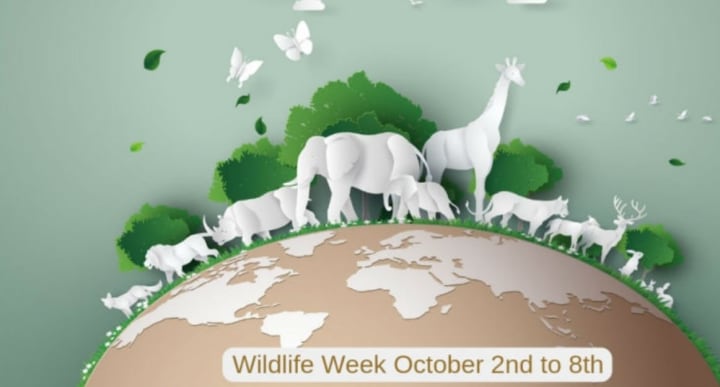
Wildlife Week was first celebrated in 1952, under the vision of India’s then Prime Minister, Jawaharlal Nehru. The idea behind dedicating a whole week to wildlife was to foster a sense of responsibility towards the natural world and to build awareness about the country’s rich but threatened biodiversity. Since then, Wildlife Week has evolved into a major nationwide campaign that involves schools, colleges, NGOs, government bodies, wildlife enthusiasts, and local communities.
The activities conducted during Wildlife Week have expanded from simple awareness campaigns to elaborate programs, such as nature walks, photo exhibitions, wildlife film screenings, seminars, competitions, and field visits to national parks and sanctuaries. Over the years, the focus has shifted from just celebrating wildlife to active participation in wildlife conservation.
2. The Significance of Wildlife Conservation
Wildlife plays a critical role in maintaining ecological balance. Each species, no matter how small or large, has a unique role in sustaining the intricate web of life. The loss of one species can trigger a domino effect, leading to the disruption of entire ecosystems. For instance, the extinction of predators like tigers can lead to an overpopulation of herbivores, which in turn can cause overgrazing and habitat degradation.
Biodiversity contributes to ecosystem services that support human life, including clean water, fertile soil, pollination, climate regulation, and disease control. The survival of wildlife is also tied to cultural, spiritual, and economic values, making their protection a moral and practical necessity. Wildlife Week aims to remind us that protecting wildlife is synonymous with protecting humanity’s future.
3. India’s Rich Wildlife Heritage
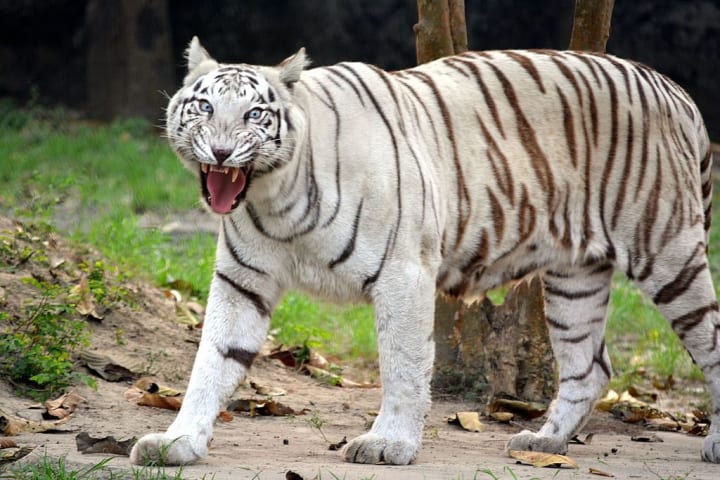
India is one of the 17 "megadiverse" countries in the world, home to around 7-8% of all recorded species on Earth. It boasts a wide array of ecosystems, from the high-altitude Himalayan ranges to the dense Western Ghats, arid deserts of Rajasthan, and the lush mangroves of the Sundarbans. This diversity in landscapes supports an incredible variety of fauna and flora, making India a global hotspot for biodiversity.
Mammals: India has about 410 species of mammals, including iconic species like the Bengal tiger, Asiatic lion, Indian elephant, and the Indian rhinoceros. Some lesser-known but equally important mammals are the red panda, snow leopard, and the Nilgiri tahr.
Birds: The country is home to over 1,300 species of birds, such as the Indian peafowl (national bird), great Indian bustard, and the Himalayan monal.
Reptiles and Amphibians: India hosts 600 species of reptiles, including the Indian cobra, gharial, and the olive ridley sea turtle. There are also numerous amphibians unique to the Western Ghats.
Insects and Other Invertebrates: The richness of butterflies, moths, and other insects adds to India’s biodiversity, supporting vital functions like pollination.
However, with rapid urbanization, deforestation, poaching, and climate change, many of these species are at risk, making conservation efforts urgent and necessary.
4. Major Threats to Wildlife
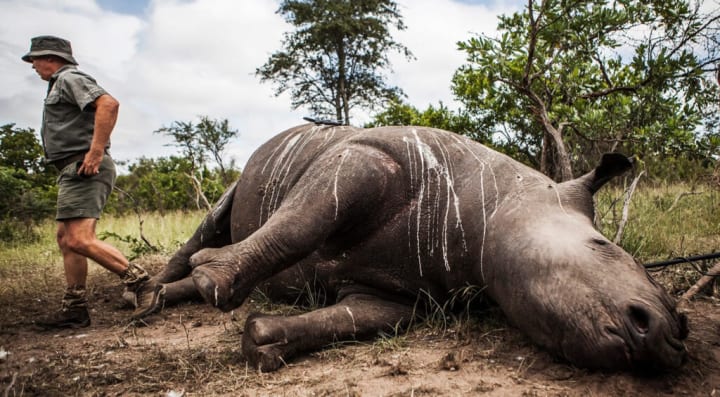
Despite India’s wildlife richness, several factors are posing serious threats to the survival of many species:
Habitat Destruction
The rapid expansion of agriculture, urban areas, and industrial projects has led to the fragmentation and destruction of natural habitats. Forests, wetlands, and grasslands are being converted into farmland or urban settlements, leaving wildlife with shrinking spaces to live and breed.
Poaching and Illegal Wildlife Trade
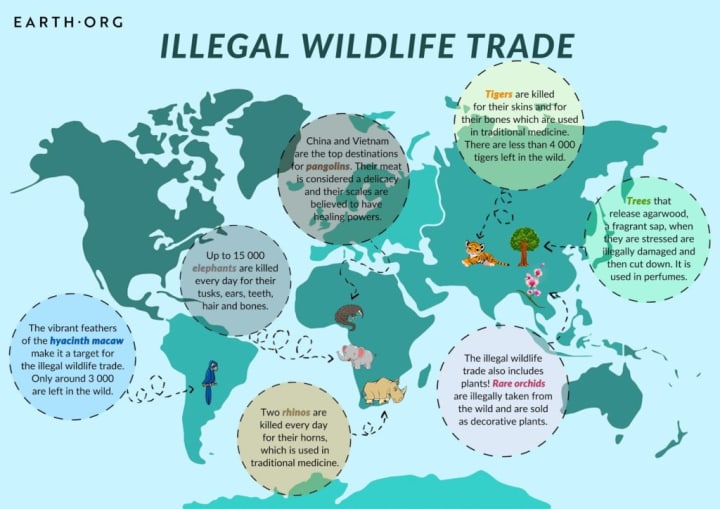
The demand for animal parts such as tiger skin, elephant tusks, rhino horns, and pangolin scales has led to rampant poaching. India is both a source and a transit point for illegal wildlife trade, which is the fourth-largest illegal trade globally.
Human-Wildlife Conflict
As human settlements encroach into wildlife territories, conflicts between humans and animals have increased. Incidents of elephants raiding crops or leopards attacking livestock often lead to retaliatory killings by local communities.
Climate Change
Rising temperatures, changing precipitation patterns, and extreme weather events are altering habitats and affecting the distribution of species. For instance, climate change is impacting the breeding patterns of several bird species and reducing the habitat range for high-altitude mammals like the snow leopard.
Pollution and Degradation
Pollution of air, water, and soil is another major threat. Chemical pollutants, plastic waste, and untreated sewage in rivers and wetlands are harming aquatic life. The use of pesticides in agriculture has also reduced the availability of prey for several birds and mammals.
5. Wildlife Week Celebrations: Key Activities

During Wildlife Week, various organizations and institutions organize a plethora of events to engage different sections of society. Here are some of the common activities:
Educational Workshops and Seminars
Schools and colleges conduct workshops, guest lectures, and interactive sessions to educate students about wildlife conservation. Wildlife experts, forest officials, and ecologists are invited to share their experiences and knowledge.
Wildlife Exhibitions and Film Screenings
Many museums, zoos, and community centers host photo exhibitions showcasing the beauty and diversity of Indian wildlife. Documentary screenings highlight the life and struggles of endangered species, making a lasting impact on audiences.
Nature Walks and Field Trips
Groups of students, researchers, and nature enthusiasts participate in guided nature walks, birdwatching sessions, and visits to wildlife sanctuaries. These trips provide firsthand experience and foster a deeper connection with nature.
Competitions and Campaigns
Painting and photography competitions, essay writing, and quiz contests are popular among students during Wildlife Week. Such events encourage young minds to think creatively about conservation and express their ideas.
Awareness Campaigns
Both offline and online campaigns are conducted to spread the message of wildlife conservation. Social media plays a crucial role in these campaigns, reaching a wide audience through hashtags, videos, and virtual events.
6. Key Conservation Initiatives in India
India has been proactive in wildlife conservation, with numerous programs and policies aimed at protecting its natural heritage. Some of the prominent initiatives include:
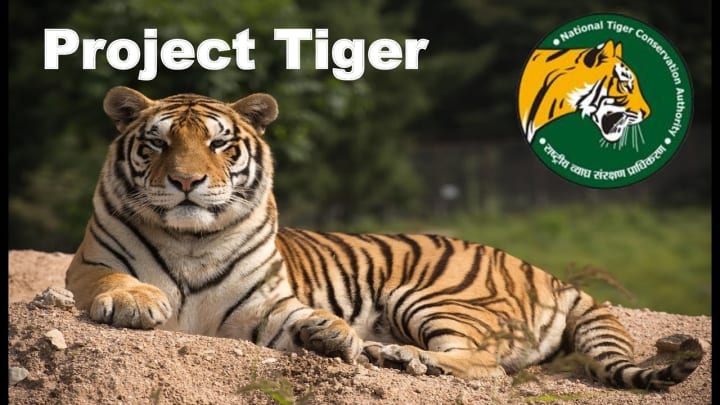
Project Tiger
Launched in 1973, Project Tiger is one of India’s most successful wildlife conservation programs. It aims to protect and increase the population of tigers through habitat management, anti-poaching measures, and community involvement. The success of Project Tiger has seen the number of tigers rise from 1,411 in 2006 to over 2,967 in 2018.
Project Elephant
Initiated in 1992, Project Elephant focuses on conserving elephants and their habitats. It addresses issues such as human-elephant conflict, habitat fragmentation, and poaching, while also promoting the welfare of domesticated elephants.
Wildlife Protection Act, 1972
This legislation forms the backbone of India’s wildlife conservation efforts. It provides legal protection to wildlife, establishes sanctuaries and national parks, and regulates hunting and trade in wildlife products.
Protected Area Network
India has a network of over 990 protected areas, including national parks, wildlife sanctuaries, conservation reserves, and community reserves. These protected areas cover around 5% of the country’s total geographical area.
Biodiversity Hotspots and Biosphere Reserves
India’s Western Ghats, the Himalayas, and the Sundarbans are recognized as biodiversity hotspots. Several biosphere reserves, such as Nilgiri, Nanda Devi, and Gulf of Mannar, are also established to promote sustainable development along with conservation.
7. Role of NGOs and Community Participation

Non-Governmental Organizations (NGOs) and local communities play a crucial role in supplementing government efforts. Organizations like WWF-India, Wildlife Trust of India (WTI), and Sanctuary Asia are involved in a variety of projects, ranging from anti-poaching patrols to habitat restoration. Many NGOs work at the grassroots level, engaging local communities in conservation by promoting eco-tourism, sustainable livelihoods, and environmental education.
8. Challenges in Wildlife Conservation
Despite various initiatives, wildlife conservation in India faces several challenges:
Funding and Resource Constraints: Many conservation programs suffer from inadequate funding, limiting their reach and effectiveness.
Inadequate Law Enforcement: While laws exist, enforcement is often weak due to corruption, lack of manpower, and inadequate training of forest staff.
Lack of Community Involvement: In many areas, local communities feel alienated from conservation efforts. Bridging this gap is essential for successful conservation.
Data Deficiency: Accurate data on the population and distribution of many species is lacking, making it difficult to plan and implement effective conservation strategies.
Impact of Development Projects: Large infrastructure projects like dams, highways, and mines often fragment habitats and disrupt wildlife corridors.
9. The Future of Wildlife Conservation in India
The future of wildlife conservation in India hinges on a multi-pronged approach that includes policy reforms, habitat restoration, anti-poaching measures, and community engagement. Some key steps include:
Strengthening Legal Frameworks: There is a need to amend and update existing laws to address new challenges such as climate change, invasive species, and genetic conservation.
**Technology in Wildlife Conservation**: Technology can play a significant role in wildlife conservation. Drones, camera traps, satellite imaging, and GPS tracking are already being used to monitor wildlife populations, prevent poaching, and study animal behavior. Expanding the use of these technologies can greatly enhance the ability to protect species and their habitats.
Human-Wildlife Coexistence Strategies: Mitigating human-wildlife conflicts is essential for long-term conservation success. This requires creating buffer zones, securing wildlife corridors, and involving local communities in decision-making. Programs that offer compensation for crop or livestock losses due to wildlife, such as those caused by elephants or big cats, can help reduce retaliatory killings.
Expanding Protected Areas: While India already has a vast network of protected areas, expanding this network is crucial to cover more species and habitats that remain unprotected. Establishing new wildlife reserves and national parks in biodiversity-rich areas can ensure the survival of endangered species.
Engaging Youth and Citizens in Conservation: Inspiring and empowering the younger generation to take up wildlife conservation as a cause can lead to sustained efforts in the future. Awareness campaigns in schools and universities, along with volunteer programs in wildlife reserves, are effective ways to build a sense of ownership among the youth.
Sustainable Development Practices: Integrating wildlife conservation with sustainable development is key to reducing habitat destruction. For instance, promoting renewable energy sources like solar and wind power can reduce the reliance on resources that degrade natural habitats. Similarly, encouraging sustainable agricultural practices can minimize habitat loss due to land clearing.
Climate Change Adaptation: Developing climate resilience strategies for wildlife and ecosystems is critical as climate change accelerates. Conservationists need to focus on creating and managing climate-resilient habitats, which can support wildlife populations even in the face of changing environmental conditions. Assisted migration, habitat corridors, and rewilding are some strategies that can be explored.
10. Prominent Species and Conservation Success Stories
India has seen several conservation success stories in recent decades, where dedicated efforts have led to the recovery of endangered species. Wildlife Week serves as a platform to highlight these achievements and learn from them:
The Bengal Tiger
The Bengal tiger is one of India’s most iconic species and has become the face of wildlife conservation in the country. Through the efforts of Project Tiger, the population of tigers has significantly increased from near-extinction levels in the 1970s. Today, India is home to nearly 75% of the global tiger population, with protected areas like Jim Corbett, Ranthambore, and Bandipur acting as tiger strongholds. However, challenges like poaching and habitat loss still persist, making continuous monitoring and conservation efforts essential.
The Asiatic Lion
The Asiatic lion, once found across the Middle East and Asia, now survives only in the Gir Forest of Gujarat. With just a few dozen lions left in the early 20th century, conservation efforts by the Gujarat Forest Department have seen the population rebound to over 600 individuals today. This success story has been the result of strict anti-poaching measures, habitat management, and community engagement. However, the species remains vulnerable, and the need to establish additional populations outside of Gir is a priority to ensure genetic diversity and reduce the risk of disease.
The Indian Rhinoceros
The Indian one-horned rhinoceros is another example of a species brought back from the brink of extinction. Conservation efforts in Kaziranga National Park and other reserves in Assam have led to a dramatic increase in rhino numbers. From just around 200 rhinos in the early 20th century, the population now stands at over 3,500. While the threat of poaching for rhino horns remains, strong protection measures have helped secure this species’ future in India.
Olive Ridley Sea Turtles
India’s eastern coastline, particularly the state of Odisha, is known for the mass nesting of olive ridley sea turtles. These endangered turtles return to the beaches of Odisha each year to lay their eggs. Conservation groups, along with the state forest department, have been working to protect nesting sites and reduce the threats posed by fishing nets, pollution, and habitat destruction. The "Operation Kachhapa" initiative, launched in 1998, has been successful in protecting both adult turtles and their hatchlings.
The Snow Leopard
Known as the "Ghost of the Mountains," the elusive snow leopard is found in the high-altitude regions of the Himalayas. Conservation efforts by organizations like the Snow Leopard Trust and the Indian government have helped protect this vulnerable species. Efforts include camera trap monitoring, habitat protection, and engaging local communities in conservation through eco-tourism and sustainable livelihoods. India’s participation in the Global Snow Leopard Ecosystem Protection Program (GSLEP) has also brought international attention to the plight of this magnificent species.
Vultures
India’s vulture population faced a catastrophic decline in the 1990s due to the widespread use of the veterinary drug diclofenac, which proved fatal to vultures feeding on treated livestock carcasses. In response, India banned the use of diclofenac for veterinary purposes in 2006. Conservation efforts, including captive breeding programs and the establishment of vulture safe zones, have slowly started to stabilize vulture populations. Though the recovery is gradual, it serves as an example of how timely intervention can prevent the extinction of species.
11. International Cooperation in Wildlife Conservation

Wildlife conservation is not limited by national boundaries. Many species, such as migratory birds, marine life, and large mammals, move across borders, making international cooperation crucial. India is a signatory to several international agreements aimed at protecting wildlife and biodiversity, including:
Convention on International Trade in Endangered Species of Wild Fauna and Flora (CITES): CITES aims to regulate the international trade in endangered species, ensuring that the trade does not threaten their survival.
Convention on Biological Diversity (CBD): This international treaty focuses on the conservation of biodiversity, sustainable use of its components, and fair sharing of benefits arising from genetic resources.
Convention on Migratory Species (CMS): Also known as the Bonn Convention, CMS aims to conserve migratory species, their habitats, and migration routes.
India’s commitment to these treaties reflects its broader role in global biodiversity conservation. Wildlife Week is also an opportunity to reflect on the importance of international partnerships in protecting migratory species, curbing illegal wildlife trade, and ensuring that conservation efforts are consistent across borders.
12. The Role of Media in Wildlife Conservation

In today’s digital age, media plays a vital role in shaping public opinion and raising awareness about wildlife conservation. Documentaries, news reports, blogs, and social media campaigns can bring attention to conservation issues, rally public support, and influence policymakers.
Documentaries such as Wild Karnataka and Tiger King have drawn millions of viewers, sparking conversations about wildlife conservation. Platforms like YouTube, Instagram, and Twitter are also being used by wildlife enthusiasts, conservationists, and photographers to share images, stories, and updates from the field.
Public service announcements, viral campaigns, and the efforts of influencers have proven effective in raising awareness about critical issues like poaching, deforestation, and plastic pollution. In this regard, Wildlife Week serves as an important time for the media to amplify the message of conservation and engage with a larger audience.
13. Conclusion: The Path Forward
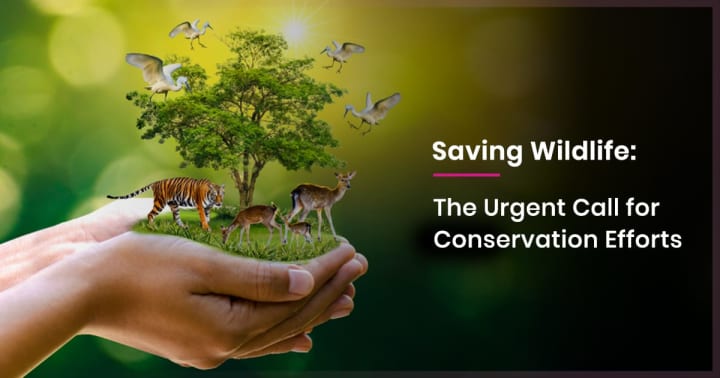
Wildlife Week serves as a reminder of our responsibility to protect the planet's biodiversity. It is a week dedicated not only to celebrating the beauty and diversity of India’s wildlife but also to addressing the growing challenges that threaten it. The survival of wildlife is inextricably linked to the survival of humanity, as the health of ecosystems underpins the stability of life on Earth.
Conservation requires a collective effort — from government policies and scientific research to grassroots movements and individual actions. While there have been notable successes in species recovery and habitat protection, the road ahead is filled with challenges. Climate change, habitat loss, and human-wildlife conflict will require innovative solutions, sustained public engagement, and international cooperation.
As we celebrate Wildlife Week, it’s essential to remember that the future of wildlife conservation is in our hands. Each one of us, through awareness, action, and advocacy, can contribute to creating a world where wildlife thrives alongside humans. Let this week inspire us to protect the natural world not just for ourselves, but for future generations.
About the Creator
Keep reading
More stories from Mohammed thanvir and writers in Earth and other communities.
Animal products gonna wrong
What is animal products? Animal products refer to any materials, substances, or foods that are derived from animals. These products come from various parts of animals, including their flesh, skin, milk, eggs, and other by-products. Here are some of the main categories of animal products:
By Mohammed thanvirabout a year ago in Earth
Protesters Bid to Save the ‘Heart’ of Margate
Residents and activists in Margate have launched a passionate campaign to save what they describe as the town’s “heart” — a historic public space facing redevelopment. The dispute has ignited local debate over preserving heritage, supporting small businesses, and maintaining the cultural identity of one of England’s most iconic seaside towns.
By Aarif Lashari4 days ago in Earth
The Devil's Triangle
The sails ruffled in the breeze as we cruised along. The Sea Breeze was a mid-size catamaran that sailed out of Royal Naval Dockyard in Bermuda. We had booked this trip weeks in advance and were now looking at our Captain, Spike and two boat hands. Paddy and Wilson seemed like nice guys, joking around with the passengers and telling us some stories about Bermuda that only locals would know. Their island accents sounded almost British but they were pleasant to listen to.
By Barbara Gode Wiles3 days ago in Fiction




Comments
There are no comments for this story
Be the first to respond and start the conversation.