
WHAT IF WE COOLED THE EARTH WITH SOLAR POWER?
COULD SOLAR POWER COOL EARTH AND REVERSE CLIMATE CHANGE?
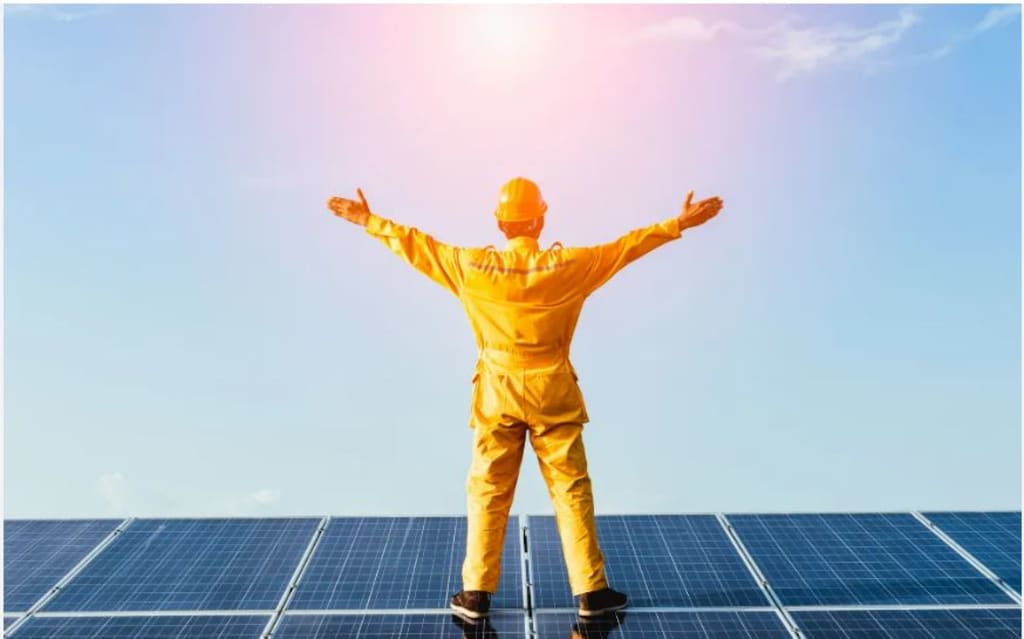
The use of solar panels in the battle against climate change has come to represent optimism. They are changing the way we produce energy, from covering rooftops to spreading over deserts and even floating on oceans. However, are solar panels capable of powering more than just our houses and gadgets? Would they be able to chill the earth? Let's examine the science, viability, and effects of utilizing solar energy to slow down global warming.
COULD SOLAR PANELS REFLECT HEAT BACK INTO SPACE?
The concept appears tenable at first. Some people question if solar panels could reflect sunlight back into space, lowering the amount of heat that the Earth absorbs, because they look shiny and reflective. The albedo effect, a measurement of the amount of sunlight a surface reflects without absorbing, informs this idea.
Unlike forests and darker surfaces, which absorb the majority of the heat, ice and snow have a high albedo, reflecting up to 84% of sunlight.
It could seem like a smart idea to use the albedo effect by covering large portions of the world with solar panels. The problem is that, in order to successfully absorb sunlight, solar panels are usually black in color. They trap heat rather than reflect it, turning sunlight into electricity and, as a consequence, releasing more heat.
Ironically, this strategy might actually increase ground temperatures rather than cool the planet. We would have to reconsider how we use solar panels if we wanted to actually chill the planet.
A DIFFERENT STRATEGY: REPLACING FOSSIL FUELS
Their true potential is to phase out fossil fuels rather than relying on solar panels to reflect heat. Clean solar energy could significantly reduce greenhouse gas emissions, the main cause of global warming, by taking the place of coal, oil, and natural gas.
However, this change has its own set of difficulties. Let's dissect it:
HOW MANY SOLAR PANELS WOULD WE NEED?
Using solar energy to power the entire world is no easy task. For background:
• A typical 350-watt solar panel produces approximately 1,400 kWh of electricity annually.
•We would require about 51.4 billion solar panels to meet the world's energy needs.
This enormous project would require a solar power plant large enough to cover an area roughly the size of Spain. And that only accounts for the panels themselves; transmission wires and batteries would require more room.
The Ripple Effects of a Solar-Powered Planet
If solar energy powered the entire planet, there would undoubtedly be social and environmental repercussions.
Loss of Habitat and Land Use
Installing billions of solar panels would require large areas of land, potentially destroying habitat. Solar farms need specific space, in contrast to wind farms, which can coexist with agricultural land. This could potentially displace wildlife and disrupt ecosystems.
MANUFACTURING-RELATED POLLUTION
Large-scale solar panel production would result in considerable emissions during the manufacturing process. The production process uses chemicals like hydrochloric acid and sodium hydroxide, and the trash that is produced could be harmful to the environment.
COMMUNITY ISSUES
Local populations frequently oppose large-scale solar installations. The glare of the panels, increased traffic, construction noise, and decreased property values are just a few of the possible complaints.
A DIVERSE APPROACH TO ADDRESSING CLIMATE CHANGE
Solar panels are an important weapon in the fight against climate change, but they are not a panacea. Earth cooling necessitates a comprehensive strategy that combines several tactics:
1. Expanding the Use of Renewable Energy
Solar energy is only one component. We must use wind, hydroelectric, geothermal, and nuclear energy to lessen our dependency on fossil fuels.
2. Making Energy Efficiency Better
Smart grid technology, energy-efficient appliances, and improved insulation can reduce energy waste and reduce overall energy demands.
3. Carbon Capture and Reforestation
Carbon capture devices and tree planting can help absorb the CO already present in our atmosphere.
4. Reevaluating Urban Planning
The heat island effect in cities can be lessened by implementing reflecting roofing materials and urban landscaping.
5. Cooperation and Policy
Governments, corporations, and individuals must collaborate to develop policies that support innovation and sustainability.
THE BIGGER PICTURE
While using solar panels to cool the earth may seem like a beneficial idea, the truth is more nuanced. Potential additional environmental issues resulting from the manufacture, installation, and upkeep of such a large system may outweigh the benefits. We must treat Earth as a living thing that needs a variety of coordinated care rather than focusing on a single answer.
Combining solar energy with other tactics maximizes its effectiveness, even though it is a crucial component of the answer. It will take a combination of efficient technology, renewable energy sources, and international collaboration to cool the earth.
About the Creator
julius
Julius, a skilled writer known for captivating readers with engaging blog posts, YouTube videos, and strategic affiliate marketing campaigns, is a multifaceted powerhouse in online content creation.
Paul Kimmage: Our Rowers Were the Best of Us and They Were Treated Disgracefully
Sports journalist Paul Kimmage has sparked intense debate after claiming that national rowing athletes — described as “the best of us” — were treated disgracefully by those responsible for managing and supporting them. His comments have reignited wider discussions about athlete welfare, governance standards, and how elite sports systems treat the people who deliver success on the global stage.
By Aarif Lasharia day ago in Earth
The Reality of the Illusion of Time
Recently, as I strolled along the short stretch to my strength training session, I aimlessly took in the row of tatty shops and shabby buildings along the route and passed an off-street, in which one of my sisters used to live, around thirteen years ago.
By Chantal Christie Weiss4 days ago in Earth
Cabin Fever Because of Snow, Sleet, and Freezing Rain That Turned to Icy Roads
What Is Cabin Fever? The short answer is that cabin fever is restlessness from being in a confined area. Cabin fever is the distressing irritability or restlessness experienced when a person or group is stuck at an isolated location or in confined quarters for an extended time. Research shows that prolonged cold, gray skies, and being stuck indoors can trigger mood shifts similar to “winter blues.”
By Margaret Minnicks2 days ago in Humans




Comments
There are no comments for this story
Be the first to respond and start the conversation.