
Talks Between Ukraine and Russia to Restart on Wednesday, Kremlin Says – Latest News
Renewed diplomatic contact sparks cautious global attention amid ongoing conflict
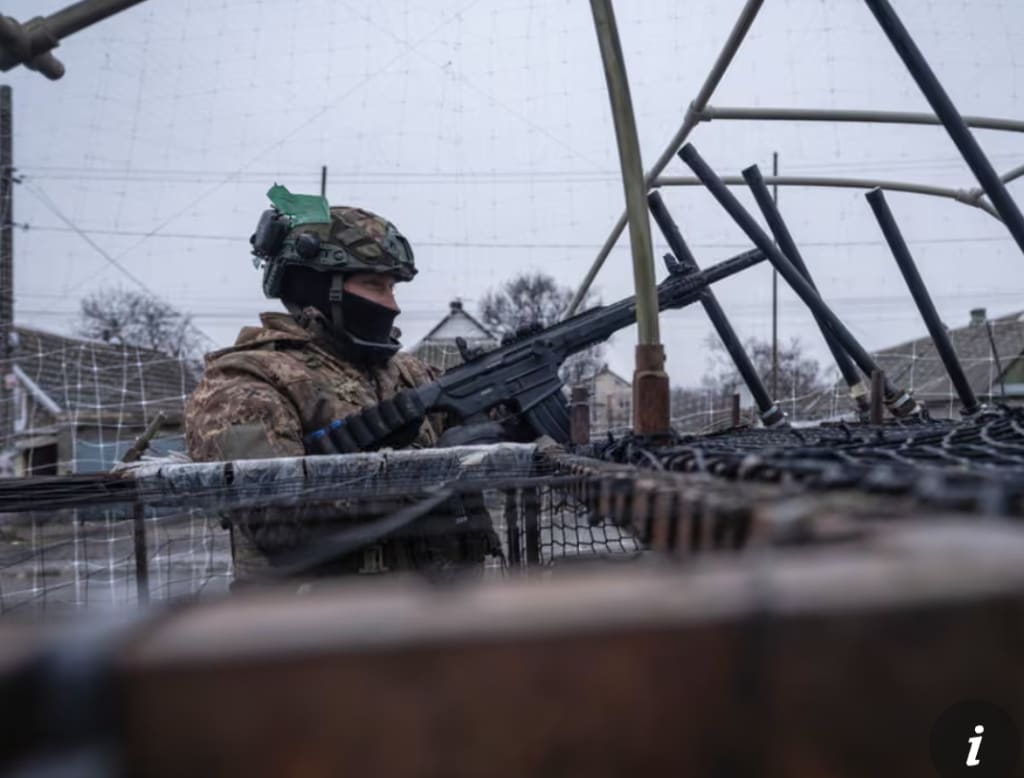
Diplomatic negotiations between Ukraine and Russia are expected to restart on Wednesday, according to statements from the Kremlin, marking another potential turning point in one of the most significant geopolitical conflicts in recent history. While previous rounds of talks have produced limited long-term results, the decision to return to the negotiating table has drawn global attention, as world leaders and humanitarian organizations hope renewed dialogue could reduce violence and improve humanitarian conditions.
Although uncertainty remains high, even the announcement of talks is seen by many observers as a reminder that diplomacy continues to play a critical role in international conflict resolution.
The Conflict’s Global Significance
The Ukraine-Russia conflict has reshaped global geopolitics, impacting everything from energy markets to military alliances. Since fighting escalated, the conflict has influenced international security policies, trade flows, and diplomatic relationships between major world powers.
Key global effects include:
Rising energy costs across Europe and beyond
Disruptions to global food supply, particularly grain exports
Increased military spending by NATO and neighboring countries
Shifting geopolitical alliances and strategic partnerships
Because of these wide-reaching consequences, negotiations between Ukraine and Russia are closely monitored worldwide.
Why Talks Are Resuming Now
Diplomatic negotiations often restart when multiple pressures converge. Although official details remain limited, experts suggest several factors could be driving renewed discussions.
Possible reasons include:
Military developments affecting strategic positioning
Economic strain caused by prolonged conflict
International diplomatic pressure from allies and neutral nations
Humanitarian concerns as civilian suffering continues
Seasonal or logistical considerations affecting military operations
In modern conflicts, diplomacy and military strategy often evolve simultaneously.
Key Issues Likely to Be Discussed
While exact agendas are rarely released before talks begin, analysts expect several core issues to dominate the discussions.
Likely topics may include:
Temporary ceasefire agreements
Civilian protection measures
Prisoner exchange arrangements
Humanitarian aid access
Infrastructure protection agreements
Even limited agreements can significantly reduce civilian harm and improve conditions on the ground.
The Role of International Diplomacy
International organizations and foreign governments often play supporting roles in facilitating negotiations. Neutral countries sometimes host meetings or provide diplomatic frameworks to help both sides communicate effectively.
International involvement often focuses on:
Encouraging continued dialogue
Monitoring humanitarian agreements
Supporting post-conflict reconstruction planning
Providing diplomatic pressure to maintain negotiations
Multilateral diplomacy is often essential in maintaining momentum during complex peace talks.
Challenges Facing Peace Negotiations
Negotiations in major conflicts often face significant obstacles. Deep political disagreements, security concerns, and historical tensions can make long-term agreements difficult to achieve.
Common challenges include:
Lack of trust between negotiating parties
Conflicting territorial or political objectives
Domestic political pressure within each country
Military developments influencing negotiation leverage
Difficulty enforcing agreements on the ground
Even when talks resume, progress may take months or years.
Humanitarian Stakes of Renewed Dialogue
Beyond politics and strategy, negotiations have enormous humanitarian importance. Millions of civilians have been affected through displacement, infrastructure damage, and economic hardship.
Humanitarian priorities often include:
Safe evacuation routes for civilians
Access for international aid organizations
Restoration of energy, water, and healthcare services
Protection of civilian infrastructure
Humanitarian agreements are often the first step toward broader peace negotiations.
Economic and Global Market Impact
The conflict has affected global markets, particularly energy, agriculture, and defense sectors. Any sign of diplomatic progress can influence global economic sentiment.
Potential economic impacts of renewed talks include:
Stabilization of energy market expectations
Reduced supply chain uncertainty
Improved global investment confidence
Stabilization of food export routes
Markets often react quickly to geopolitical developments.
Public and International Reactions
Global reactions to the announcement have been mixed but cautiously hopeful. Many leaders emphasize that continued dialogue is essential, even if immediate breakthroughs are unlikely.
Public reactions often include:
Hope for reduced conflict intensity
Skepticism due to previous failed negotiations
Concern for humanitarian conditions
Calls for sustained diplomatic engagement
What Happens Next
The upcoming talks are expected to be closely watched by global leaders, financial markets, and humanitarian organizations. Even limited agreements could influence military activity, humanitarian access, and diplomatic relations.
Experts emphasize that successful negotiations typically require:
Continued international diplomatic pressure
Confidence-building measures between parties
Realistic short-term goals
Long-term frameworks for conflict resolution
Conclusion
The planned restart of talks between Ukraine and Russia represents a significant diplomatic moment in an ongoing and complex conflict. While past negotiations have faced major challenges, continued dialogue remains one of the few pathways toward reducing violence and improving humanitarian conditions.
Although the outcome remains uncertain, renewed negotiations signal that diplomatic channels remain open. In conflicts with global consequences, even small steps toward communication can play a crucial role in shaping future stability.
For the international community, the upcoming talks represent both a test of diplomatic resilience and a reminder of the importance of negotiation in resolving global conflicts.
About the Creator
Keep reading
More stories from Aarif Lashari and writers in Earth and other communities.
Life After Cancer: Reclaiming Identity and Finding Joy Back at Work
For many people, a cancer diagnosis marks the beginning of a journey that affects not just physical health, but identity, relationships, and daily life. After months or even years of treatment, patients often find themselves confronting a new challenge: life after cancer. Stepping back into normal routines, especially returning to work, can be both a relief and a revelation. It’s a moment where survivors start to reclaim their identity — and discover that life can be joyful again.
By Aarif Lashariabout 6 hours ago in Earth
Understanding the Air Quality Index: Why Breathing Bad Air Feels Like Lighting Up a Pack
In a world where wildfires burn longer, cities are filled with traffic fumes, and industrial emissions linger, the quality of the air we breathe is under intense scrutiny. As we move into 2026, recent reports highlight a troubling reality: global particulate matter (PM2.5) concentrations climbed by 1.5% in 2023 compared to the previous year. This pushed levels nearly five times above World Health Organization guidelines in many areas.
By Walter Schiller-Anders6 days ago in Earth




Comments
There are no comments for this story
Be the first to respond and start the conversation.