
Sustainable Gardening
Discover Eco-friendly Practices and Techniques for sustainable Gardening


Once upon a time, nestled in the rolling hills of the United Kingdom, there was a small village called Greendale. In Greendale, a group of passionate gardeners came together to cultivate a shared dream of creating a sustainable garden that would not only be beautiful but also nurture and protect the environment.
At the heart of their garden, they built a majestic rainwater harvesting system. As the rain fell from the heavens, it cascaded down the roofs of the garden's buildings and collected in a network of gutters and pipes. This precious resource was then channelled into large barrels and underground storage tanks. The gardeners joyfully used this collected rainwater to irrigate their plants, reducing their reliance on mains water and conserving this valuable natural resource.
In the centre of the garden, a composting corner thrived. Fruit and vegetable scraps, along with leaves and grass clippings, were carefully layered in large compost bins. The gardeners turned the compost regularly, ensuring that it decomposed into nutrient-rich humus. This magical substance served as a natural fertilizer, providing the garden's plants with the nourishment they needed to grow strong and healthy.
But it wasn't just the compost that fed the garden's greenery. The gardeners embraced the power of organic fertilizers. They brewed their own nutrient-rich compost tea by steeping compost in water for several days. This concoction was then applied to the soil and plants, providing a gentle and sustainable boost of nutrients. They also made use of natural amendments such as seaweed extract and bone meal, ensuring that their plants thrived without the harmful chemicals found in synthetic fertilizers.
To create a balanced ecosystem, the gardeners understood the importance of attracting beneficial insects. They planted a variety of native flowers, which burst with vibrant colors and irresistible fragrances. Bees and butterflies, buzzing and flitting from flower to flower, helped with pollination, while ladybugs and lacewings eagerly feasted on pesky aphids. The gardeners even built charming insect hotels, providing shelter for beneficial insects and encouraging them to take up residence in the garden.
As word of the sustainable garden spread, visitors from far and wide journeyed to Greendale to witness its splendor. The gardeners welcomed them with open arms, sharing their knowledge and inspiring others to embrace sustainable gardening practices. Workshops were held, where villagers learned about rainwater harvesting, composting techniques, and the importance of organic gardening. The sustainable garden became a beacon of hope and a shining example of what could be achieved when humans and nature harmoniously coexist.
In time, the village of Greendale transformed into a thriving hub of sustainable gardening practices. Rooftop gardens adorned buildings, water butts graced every household, and compost bins dotted the landscape. The village became a model for the entire country, inspiring a nationwide movement toward sustainable gardening.
And so, the story of the sustainable garden in Greendale became a legend, whispered by gardeners across the United Kingdom. It served as a reminder that by embracing eco-friendly practices, such as water conservation, composting, using organic fertilizers, and attracting beneficial insects, anyone could transform their own patch of land into a haven of sustainability and natural beauty.
Meanwhile, the government plays a crucial role in promoting and supporting gardening in various ways. Here are some key aspects of the government's role in gardening:
1. Policy Development: Governments develop policies and regulations that impact gardening practices. They may establish guidelines for sustainable gardening, encourage organic gardening practices, and promote the use of native plants. Additionally, governments may regulate the use of pesticides and fertilizers to protect the environment and public health.
2. Education and Awareness: Governments often play a role in educating the public about the benefits of gardening and providing resources for learning. This includes initiatives such as community gardening programs, workshops, and educational campaigns that promote sustainable gardening techniques. Governments may also collaborate with horticultural organizations, schools, and community groups to provide training and resources to gardeners.
3. Green Space Planning: Governments recognize the importance of green spaces and may incorporate gardening and landscaping into urban planning. They allocate land for public parks, botanical gardens, and community gardens, creating opportunities for people to engage in gardening activities. Governments may also incentivize private developers to incorporate green spaces into their projects, promoting a greener and healthier environment.
4. Funding and Grants: Governments may provide financial support through grants and funding programs to encourage gardening initiatives. This can include funding for community gardens, urban greening projects, and educational programs. These financial incentives help individuals and organizations undertake gardening projects that benefit the community and promote sustainable practices.
5. Research and Development: Governments invest in research and development related to gardening and horticulture. This research aims to improve plant varieties, disease resistance, and gardening techniques. Governments often collaborate with agricultural and horticultural institutions to promote innovation and provide evidence-based guidance to gardeners.
6. Environmental Protection: Governments have a responsibility to protect the environment, and gardening practices can have an impact on ecosystems. They may establish regulations to safeguard natural habitats, protect endangered species, and preserve biodiversity. Governments also work to mitigate the impacts of climate change and promote sustainable land management practices.
7. Collaboration and Partnerships: Governments collaborate with various stakeholders, including local authorities, non-profit organizations, and gardening associations, to support and promote gardening initiatives. These partnerships help leverage resources and expertise to create a more vibrant and sustainable gardening community.
By actively engaging in these roles, the government can foster an environment that encourages and supports gardening, making it accessible to a wider population and promoting sustainable and environmentally friendly practices.
About the Creator
Keep reading
More stories from Eneojo Abimajeh and writers in Earth and other communities.
Nurturing and Healing
In the quaint town of Evergreen Valley, nestled amidst rolling hills and vibrant meadows, life once thrived in harmony with the pristine river that flowed through its heart. The community's laughter echoed along its banks, and the soothing murmur of the water provided solace to all who sought its embrace. But one fateful day, the serenity shattered, and the river turned into a murky, lifeless sludge.
By Eneojo Abimajeh3 years ago in Earth
Council Pledges Commitment to UN Children’s Rights
A local council has announced a renewed commitment to upholding the United Nations Convention on the Rights of the Child (UNCRC), signaling a stronger focus on child welfare, protection, and participation in policy decision-making. The pledge reflects a growing international trend in which local governments are taking active roles in implementing global human rights frameworks at the community level.
By Aarif Lashari5 days ago in Earth
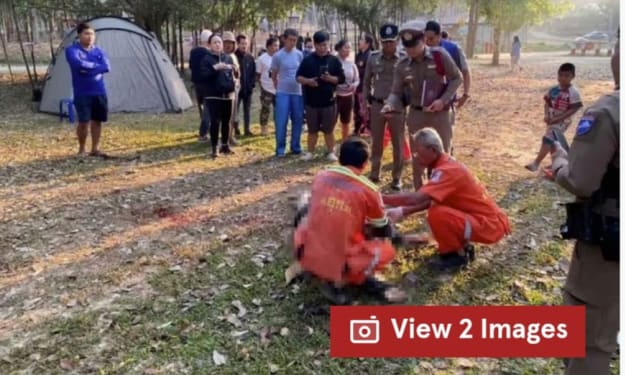
Tourist Killed by Elephant Previously Linked to Two Fatal Attacks at Thailand National Park
A tragic incident at a national park in Thailand has once again highlighted the dangers of human interaction with wild animals. Authorities confirmed that a tourist was killed by an elephant that had previously been involved in two fatal incidents. The case has reignited conversations about wildlife management, tourist safety, and the growing pressure on natural habitats due to tourism and human expansion.
By Aarif Lashari4 days ago in Earth
Writing About Writing: The Rainbow Trap
The good thing about living in modern times is that LGBTQ representation in media is increasing. Not just in niche and Independant media, either, but also in mainstream media. Books, movies, TV shows, comics... they're finally catching on that LGBTQ+ people form a significant part of their audience, and deserve to see themselves on screen and in fiction, not just as victims in documentaries and true crime shows.
By Natasja Rose5 days ago in Writers



Comments
There are no comments for this story
Be the first to respond and start the conversation.