
San Francisco Shaken Today: Inside the Earthquake That Alarmed the Bay Area
San Francisco Shaken Today: Inside the Earthquake

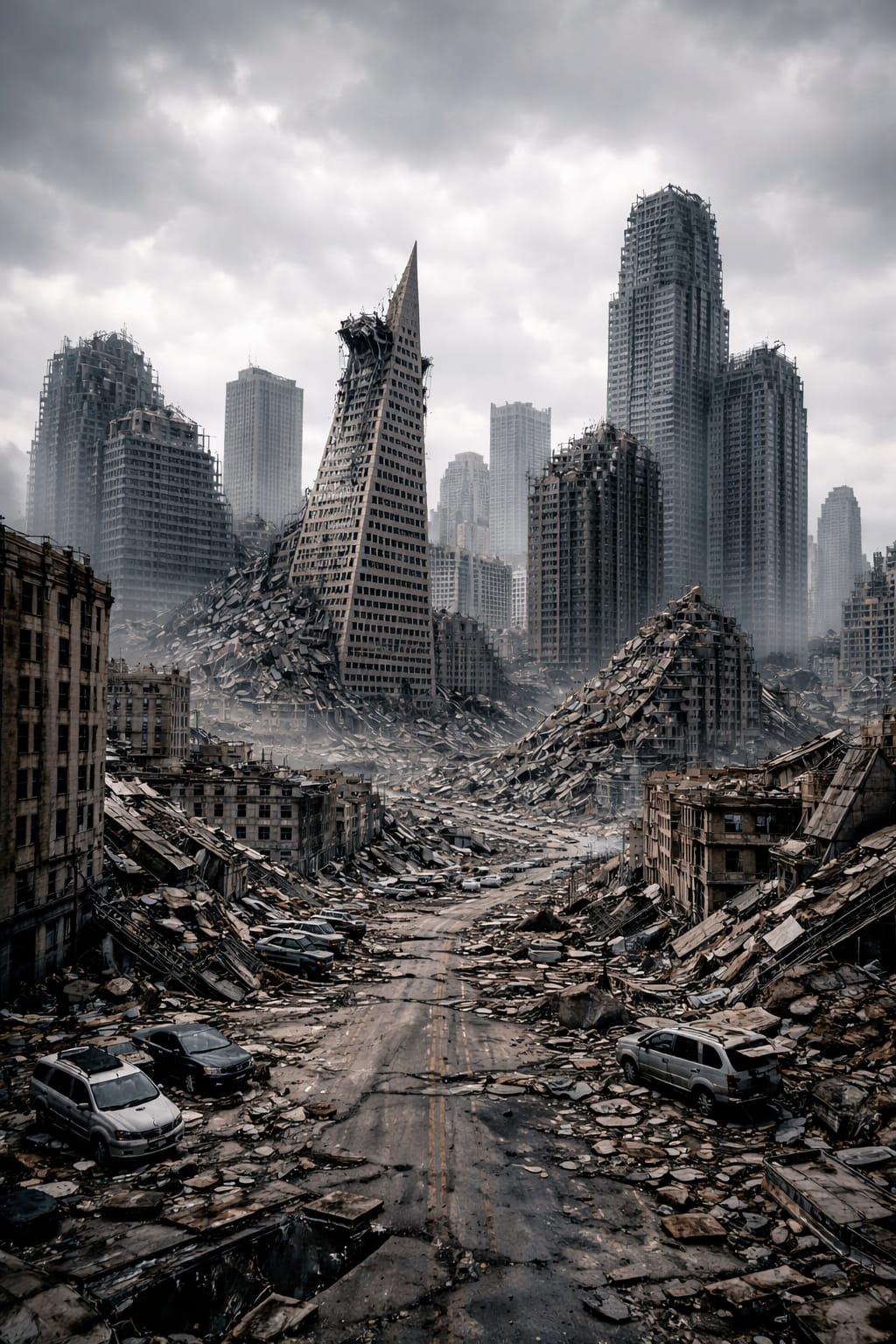
**San Francisco Shaken Today: Inside the Earthquake That Alarmed the Bay Area**
San Francisco experienced noticeable seismic activity today, reminding residents once again that the city sits on one of the most active earthquake zones in the world. The shaking was felt across multiple neighborhoods and nearby cities, prompting widespread discussion, concern, and a surge in online searches about what exactly happened, how serious it was, and what it could mean for the future. While earthquakes are not unusual in this region, each new tremor raises important questions about safety, preparedness, and long-term risk.
The earthquake occurred earlier today and was strong enough to be clearly felt indoors by many residents. People described brief but sharp shaking, swaying lights, and rattling windows. Some reported being awakened by the movement, while others felt it during their morning routines. Although the event was relatively short, it served as a powerful reminder of the geological forces constantly at work beneath Northern California.
**What Happened During the San Francisco Earthquake Today**
Today’s earthquake originated beneath the Bay Area, where multiple fault lines intersect. The movement was caused by a sudden release of built-up tectonic stress deep underground. As the Earth’s plates shifted, energy traveled upward, producing the shaking felt at the surface. While the quake was not considered extreme, it was strong enough to be noticed across a wide area, including parts of San Francisco and neighboring cities.
**Was There Any Serious Damage Reported**
Initial assessments indicate that there was no widespread structural damage or confirmed loss of life as a result of today’s earthquake. Most buildings withstood the shaking without major issues, particularly newer structures designed to meet modern seismic standards. In some areas, residents reported minor disruptions such as fallen objects, cracked plaster, or temporary power interruptions, but no large-scale destruction has been confirmed.
**How Strong Was the Earthquake Compared to Past Events**
Compared to historic earthquakes in San Francisco, today’s tremor was moderate. The city has experienced far more destructive earthquakes in the past, including events that reshaped its skyline and infrastructure. However, even moderate earthquakes can feel intense, especially in densely populated urban areas. The perception of strength often depends on factors such as depth, distance from the epicenter, and local soil conditions.
**Why San Francisco Experiences Earthquakes So Often**
San Francisco is located near several major fault systems, most notably the San Andreas Fault. These faults mark the boundary between massive tectonic plates that are constantly moving, even if the movement is usually too slow to feel. Over time, stress accumulates along these faults until it is released suddenly in the form of an earthquake. This geological reality makes earthquakes a regular part of life in the Bay Area.
**Does Today’s Earthquake Mean a Bigger One Is Coming**
One of the most common concerns after any earthquake is whether it signals a larger event ahead. Experts consistently explain that most earthquakes do not act as warnings. While small and moderate quakes are frequent in California, they do not reliably predict when or if a major earthquake will occur. Today’s event fits within the normal pattern of seismic activity for the region and does not automatically indicate an imminent large-scale disaster.
**What Residents Should Do After Feeling an Earthquake**
After experiencing an earthquake, officials recommend checking for hazards such as gas leaks, damaged wiring, or unstable objects. Residents are encouraged to stay informed, review emergency plans, and ensure that basic supplies like water, food, and first-aid materials are available. Practicing earthquake safety steps, such as knowing where to take cover indoors, remains essential in an area with ongoing seismic risk.
**How Prepared Is San Francisco for Earthquakes**
San Francisco has invested heavily in earthquake preparedness over the years. Building codes have been strengthened, infrastructure has been reinforced, and emergency response systems are regularly tested. While no city can be fully protected from nature, these measures significantly reduce the risk of catastrophic damage and help the city recover more quickly after seismic events.
**Are Small Earthquakes Common in the Bay Area**
Yes, small earthquakes occur frequently throughout Northern California, often without being felt at all. Each year, thousands of minor tremors are recorded by monitoring systems. Most of them cause no harm and serve as valuable data for scientists studying fault behavior and seismic patterns.
Today’s San Francisco earthquake, while unsettling, was a reminder rather than a catastrophe. It highlighted the importance of awareness and preparedness in a city shaped by its geological setting. As residents go about their day, the event reinforces a familiar truth: in San Francisco, the ground beneath your feet is never completely still.
About the Creator
America today
Breaking news, political insights, real-time analysis, U.S. politics, global politics, elections, government policies, international relations, diplomacy, political debates, trending political stories, expert commentary, factual reporting,.
Keep reading
More stories from America today and writers in Earth and other communities.
Severe Weather Conditions and School Closures in the United States
Severe Weather Conditions and School Closures in the United States Severe weather has long been one of the main reasons for school closures across the United States. From powerful winter storms and freezing temperatures to hurricanes, floods, and extreme heat, weather conditions can disrupt daily life and force education authorities to prioritize student safety. In recent years, climate variability has increased the frequency and intensity of these events, making weather-related school closures a recurring concern for families, educators, and local governments.
By America today 8 days ago in Earth
All Holidays Cancelled as UK Holiday Firm Goes Bust
Holiday Firm Collapse Sparks Chaos A major UK holiday company has gone bust, resulting in the cancellation of all booked holidays. The collapse has left thousands of travellers without trips, refunds, or alternative arrangements, sparking frustration and concern among affected customers.
By Aarif Lashari7 days ago in Earth
Baby Dies After Midwives Failed to Carry Out Proper Checks
Tragedy in the Nursery A heartbreaking incident has emerged after a baby died due to a failure in routine medical checks by midwives. The case has shocked both the local community and healthcare professionals, prompting questions about standards of care, accountability, and oversight in maternity services.
By Aarif Lashari7 days ago in Earth
A Letter to the Firestarter
Dear Firestarter, We can all see you, we've been watching you since you began. In case you didn't know we were here before you and we will be here after. We witnessed your rise, your setbacks, your guilt and your lies. We witnessed you start the fire.
By Donny Foley4 days ago in Poets




Comments (1)
WOW