

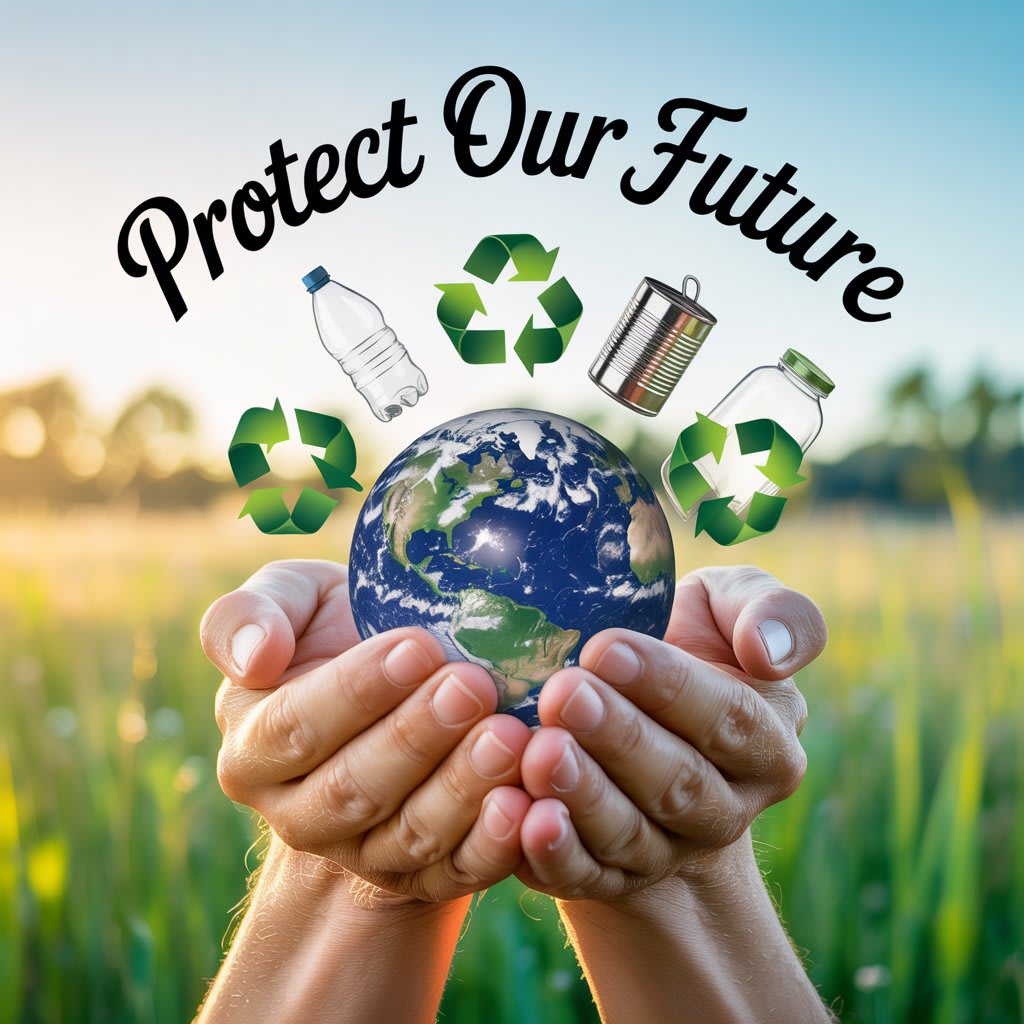
Every day, we throw things away without giving it much thought. From empty soda cans to old newspapers, plastic bottles, and broken gadgets — they all end up in the trash. But what if we told you that many of these items don't belong in the garbage? What if they could get a second life through something called recycling?
Recycling is a simple and powerful way to help protect our Earth. It means turning old or used materials into new items instead of tossing them out. When we recycle, we save natural resources, reduce pollution, and cut down the amount of waste in landfills. Best of all, it’s something everyone can do — no matter how young or old you are.
What is Recycling?
Recycling is the process of collecting, cleaning, and turning used materials into something new. For example, your used plastic water bottle can be turned into a new one, or even into clothes or furniture! It’s like giving old stuff a new purpose instead of letting it rot in a garbage dump.
There are many things we can recycle — paper, plastic, glass, metal, and even some electronics. Instead of throwing them away, we can place them in recycling bins, which are usually picked up by recycling trucks. After that, they are taken to special places where they are cleaned, broken down, and made into new products.
Why is Recycling Important?
Let’s face it — the world is facing big problems because of too much trash. Landfills are filling up. Oceans are getting polluted. Animals are eating plastic and getting sick. But recycling can help us fix these problems.
Here are some ways recycling helps:
Saves Energy: Making new things from recycled materials uses less energy than making them from raw materials.
Reduces Pollution: Recycling cuts down on harmful smoke and chemicals that factories release into the air and water.
Protects Nature: We don’t have to cut down as many trees or dig deep into the Earth to get new materials if we recycle what we already have.
Less Waste in Landfills: Landfills take up a lot of space and create harmful gases. Recycling keeps things out of landfills.
How You Can Start Recycling
You might think, "I’m just one person. Can I really make a difference?" The answer is yes! Every small step adds up. Here’s how you can start:
Know What Can Be Recycled: Learn which items are accepted in your local recycling program. Usually, clean paper, cardboard, certain plastics, glass bottles, and metal cans are safe to recycle.
Separate Your Waste: Use different bins for trash and recyclables. Label them so everyone at home knows where to put their waste.
Clean Items Before Recycling: Rinse food containers before tossing them in the bin. Dirty items can ruin a whole batch of recyclables.
Reduce and Reuse: Recycling is great, but using less is even better. Try reusable water bottles, bags, and containers. Donate old clothes or toys instead of throwing them out.
Fun Ways to Recycle at Home
Recycling doesn’t have to be boring. It can be fun and creative too! Here are a few ideas:
Craft Time: Use old boxes, jars, and magazines for arts and crafts.
Build a Garden: Turn plastic bottles into plant pots.
Host a Swap Party: Exchange books, clothes, or toys with friends instead of buying new ones.
The Bigger Picture
When you recycle, you become a part of something much bigger. You join millions of people who are working to keep our Earth clean and healthy. Think of it like a team effort — each person does their part, and together, we make a huge impact.
Remember, recycling isn’t just about what we do once in a while. It’s about making smart choices every day. Whether it’s picking up a bottle from the street and dropping it in the right bin or reminding a friend to recycle their can, these actions matter.
In Conclusion
Recycling is more than just a good habit — it’s a way to show love and care for the planet we all share. It’s easy, it’s helpful, and it’s something anyone can do. So next time you’re about to throw something away, stop and think: Can this be recycled?
Together, let’s turn trash into treasure and make the world a cleaner, brighter place for ourselves and future generations. 🌍♻️
About the Creator
Keep reading
More stories from Muhammad Farhad Khan and writers in Earth and other communities.
How Climate Change is Changing Our Planet
How Climate Change is Changing Our Planet: What Everyone Should Know Climate change is no longer a problem of the future. It's happening right now. Every year, we hear more about rising temperatures, extreme weather, and disappearing forests. But what does it really mean? And how does it affect us and our planet?
By Muhammad Farhad Khan9 months ago in Earth
“Painful Times in My Marriage” — Melinda French Gates Reacts to Ex-Husband in Epstein Files
Public attention has intensified after comments attributed to Melinda French Gates referenced “painful times” in her marriage while discussions surrounding documents connected to Jeffrey Epstein continue to surface in public discourse. The situation has reignited conversations about accountability, public image, and the long-lasting impact of associations with controversial figures.
By Aarif Lashariabout 14 hours ago in Earth
Beyond the Basic Green: AI's Picks for the Most Stunning Colorful Houseplants
The secret to keeping these botanical jewels radiant isn't just guesswork. By understanding light—the non-negotiable fuel for all plants—and learning to measure it, you can stop struggling and start showcasing. This guide, informed by plant care technology and horticultural expertise, will help you select and sustain the most stunning colorful houseplants.
By Emma Wallaceabout 21 hours ago in Earth


Comments
There are no comments for this story
Be the first to respond and start the conversation.