
Media representation of ethnic minorities
Media representation of ethnic minorities is a topic that has gained significant attention over the years, as it plays a crucial role in shaping public perception, promoting diversity, and reflecting the experiences of various groups in society.


While progress has been made in terms of visibility and inclusion, challenges remain, with certain stereotypes and biases continuing to persist. This essay will explore how ethnic minorities have been represented in the media, the impact of this representation on societal attitudes, and the steps being taken to improve inclusivity.
Historical Context
Historically, the representation of ethnic minorities in media has been problematic, often reinforcing negative stereotypes or excluding these groups altogether. In the early years of film, television, and print, minority characters were either absent or depicted in a limited and stereotypical manner. For example, Black characters were often portrayed as criminals, servants, or subordinates in mainstream Hollywood films, reinforcing the racial hierarchy of the time. Similarly, Asian and Latinx characters were often cast in roles that emphasized exoticism or subservience, reinforcing cultural prejudices.
The lack of authentic representation was not limited to just race; ethnic minorities were also underrepresented in key roles behind the scenes, such as directors, producers, and writers. This lack of diversity in decision-making contributed to the creation of content that largely ignored or misrepresented the experiences and complexities of minority communities.
### The Changing Landscape
In recent decades, the representation of ethnic minorities in the media has evolved, with a notable shift toward more nuanced and diverse portrayals. This change can be attributed to several factors, including the growing demand for diverse content from audiences, advocacy from minority groups, and the rise of independent media outlets.
Television shows, films, and even advertisements have begun to reflect the multicultural reality of many societies. For example, series such as *Black Panther*, *Crazy Rich Asians*, and *Pose* have provided opportunities for ethnic minorities to tell their own stories, offering portrayals that go beyond stereotypes. These films not only showcase the richness of different cultures but also challenge the traditional narratives that have long dominated mainstream media.
The increased visibility of ethnic minorities in the media has also helped to break down some of the barriers that have historically prevented these communities from achieving equitable representation. Diverse cast members and creators are now able to showcase their talents, giving audiences a more authentic and multifaceted view of their cultures.
### Stereotyping and Tokenism
Despite the progress that has been made, the media’s portrayal of ethnic minorities is still often subject to stereotyping and tokenism. Stereotypes, while sometimes more subtle than in the past, continue to shape how minority groups are depicted. For example, Black characters are sometimes still portrayed in roles related to crime, poverty, or violence, while Latinx characters are often cast in roles as immigrants or working-class individuals. While these roles reflect aspects of reality, they can also serve to reinforce narrow and one-dimensional representations of entire communities.
Tokenism, another issue that persists in the media, involves the inclusion of a minority character purely to give the appearance of diversity without providing them with substantial or meaningful storylines. For example, a film or television show may feature one Black or Asian character in a predominantly white cast, but that character's role is often underdeveloped or reduced to a secondary, stereotypical role. This approach can feel inauthentic and perpetuates the idea that minority characters are only included to meet diversity quotas rather than to genuinely contribute to the story.
### The Power of Representation
The impact of media representation on societal attitudes cannot be overstated. Positive and authentic portrayals of ethnic minorities can foster empathy, understanding, and acceptance, while harmful stereotypes can perpetuate discrimination and bias. Research has shown that individuals who are exposed to diverse and accurate representations of ethnic minorities are more likely to develop positive attitudes toward those groups.
Representation also plays a crucial role in shaping the self-esteem and identity of individuals from ethnic minority backgrounds. When people see themselves reflected in the media, it affirms their place in society and helps to validate their experiences. On the other hand, a lack of representation or constant negative portrayals can contribute to feelings of invisibility or inferiority.
### Moving Forward: Promoting Inclusivity
To achieve more equitable representation, the media industry must continue to make strides in offering diverse and authentic portrayals of ethnic minorities. This includes not only improving on-screen representation but also increasing diversity behind the scenes, from directors and producers to writers and editors. By giving individuals from minority communities the opportunity to tell their own stories, media can move beyond stereotypes and create more complex, nuanced, and accurate portrayals.
Additionally, the rise of social media and online platforms has created new opportunities for ethnic minorities to share their stories and challenge mainstream portrayals. Independent creators and content producers have the freedom to explore different aspects of culture and identity, which can contribute to a broader and more inclusive media landscape.
In conclusion, while the representation of ethnic minorities in the media has improved in recent years, there is still work to be done. Through continued advocacy, increased diversity both in front of and behind the camera, and a commitment to authentic storytelling, the media can play a crucial role in fostering a more inclusive and equitable society.
About the Creator
Badhan Sen
Myself Badhan, I am a professional writer.I like to share some stories with my friends.
Keep reading
More stories from Badhan Sen and writers in Earth and other communities.
Rights of indigenous peoples in a globalized world
However, as the world becomes more interconnected through globalization, there is a growing recognition of the need to protect the rights of these communities. These rights encompass not only cultural, social, and political aspects but also the protection of lands, natural resources, and traditions that are integral to their identity. In this essay, we will explore the rights of indigenous peoples in a globalized world, focusing on their cultural survival, land rights, and political self-determination.
By Badhan Senabout a year ago in Earth
The Geology of Your Inner World
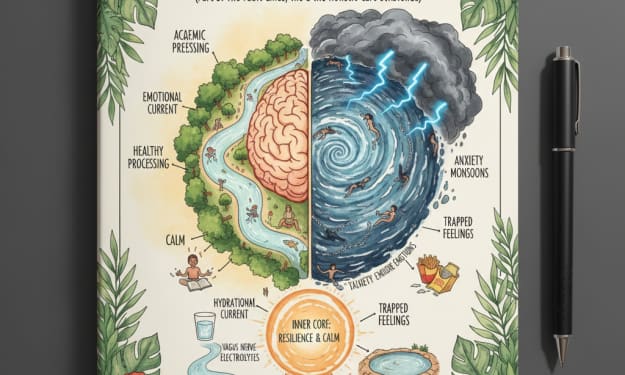
We've journeyed through the solid crust, the molten mantle, and the expansive atmosphere of our Niche Earth. Now, it's time to explore the element that covers most of our planet and profoundly shapes its landscape: the Hydrosphere. For an overthinking girl, the hydrosphere is our emotional world – the vast, deep, sometimes turbulent, and often beautiful realm of our feelings.
By Being Inquisitive6 days ago in Earth



Comments
There are no comments for this story
Be the first to respond and start the conversation.