

India is renowned for its rich biodiversity, with a unique geographical and ecological landscape that has fostered the evolution of a variety of endemic species. From the dense rainforests of the Western Ghats to the towering heights of the Himalayas and the sprawling deserts of Rajasthan, India is home to several animals that are found nowhere else in the world. This biodiversity has been recognized globally, with India being one of the 17 "megadiverse" countries that together host the majority of Earth's species. Here’s a look at some of the most fascinating animals that are native only to India, many of which are critically endangered or rare.
1. Lion-tailed Macaque
Scientific Name: Macaca silenus
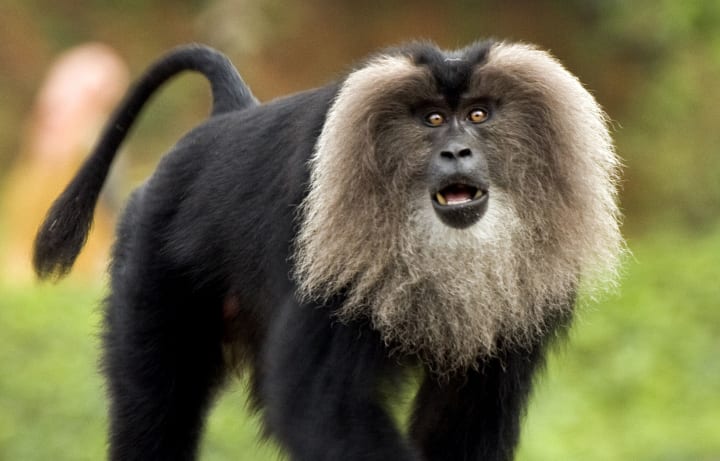
The lion-tailed macaque, also known as the "beard ape," is one of the rarest and most endangered primates in the world, found only in the Western Ghats of India. Recognizable by its mane-like tuft of fur around the face, it resembles a miniature lion. These macaques are highly adapted to the dense evergreen forests and spend most of their time in the high canopy. They are primarily frugivorous, feeding on fruits, seeds, flowers, and small animals like insects.
The lion-tailed macaque is a symbol of India’s rich biodiversity and the challenges it faces due to habitat loss. Logging, agriculture, and human encroachment threaten their population, making conservation efforts crucial. Protected under the Wildlife Protection Act of India, their presence is limited to certain protected regions, like Silent Valley National Park in Kerala and the Anamalai Tiger Reserve in Tamil Nadu.
2. Nilgiri Tahr
Scientific Name: Nilgiritragus hylocrius
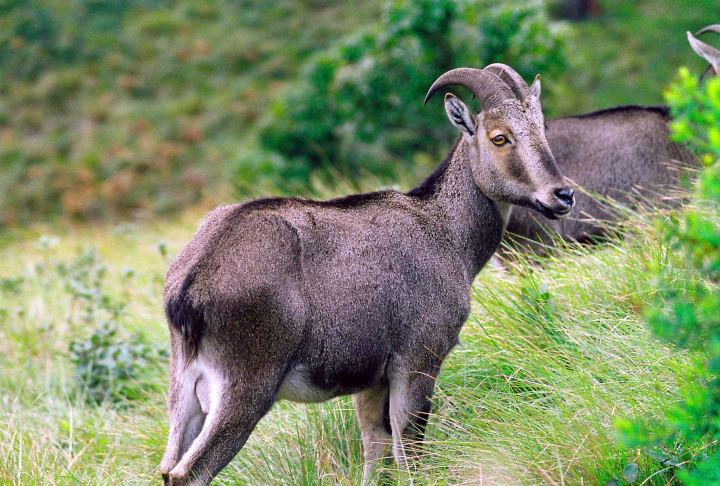
Another endemic species to the Western Ghats, the Nilgiri Tahr, is a type of mountain goat known for its majestic appearance. With a stocky build, curved horns, and thick coat, this animal is specially adapted to the steep slopes and rocky terrain of the Nilgiri Hills. These tahrs are grazers, mainly feeding on grass and shrubs that grow on the mountainsides.
Once considered near extinction, the Nilgiri Tahr population has seen significant recovery thanks to conservation efforts in places like the Eravikulam National Park in Kerala. However, they remain vulnerable to habitat loss and are still considered an endangered species under IUCN Red List classifications. The Nilgiri Tahr is Kerala’s state animal, a status that has helped draw attention to their preservation.
3. Great Indian Bustard
Scientific Name: Ardeotis nigriceps
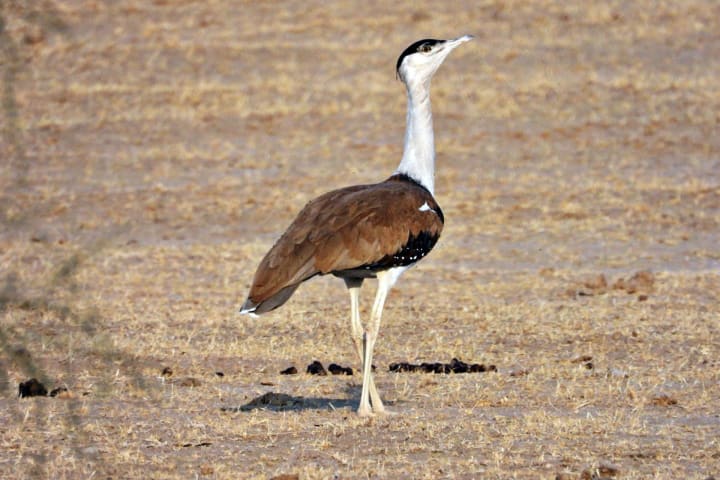
The Great Indian Bustard, one of the heaviest flying birds in the world, is now critically endangered and on the verge of extinction. Found only in the arid and semi-arid regions of northwestern India, including Rajasthan and Gujarat, these birds are known for their large size and graceful stature. Bustards feed on a mixed diet of insects, seeds, and small animals, making them an integral part of the desert ecosystem.
Their population has drastically declined due to habitat loss, hunting, and collisions with power lines. Rajasthan's Desert National Park has become a focal point for the species' conservation. In recent years, a breeding program launched by the Indian government aims to revive their population. However, preserving the bustard’s natural habitat remains critical for its survival.
4. Kashmir Stag (Hangul)
Scientific Name: Cervus hanglu hanglu
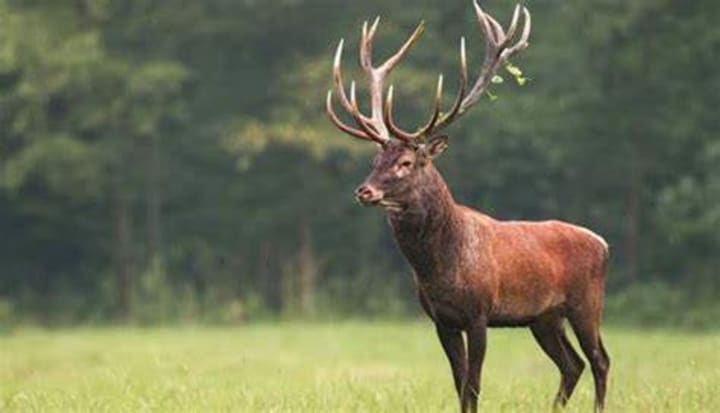
The Kashmir stag, locally known as the "Hangul," is an endangered subspecies of red deer that resides in the high-altitude forests of Jammu and Kashmir. Characterized by its unique antlers, which can have up to 12 points, the Hangul has a striking coat that changes color with the seasons, becoming darker in winter.
Historically, these stags roamed across northern India, but due to extensive poaching, habitat fragmentation, and conflict in the region, they are now restricted mainly to Dachigam National Park near Srinagar. Conservationists are actively working to protect the Kashmir stag, which is an important cultural and ecological symbol for Kashmir. However, political and social unrest has made it challenging to establish large-scale conservation programs in the region.
5. Sangai Deer (Brow-antlered Deer)
Scientific Name: Rucervus eldii eldii
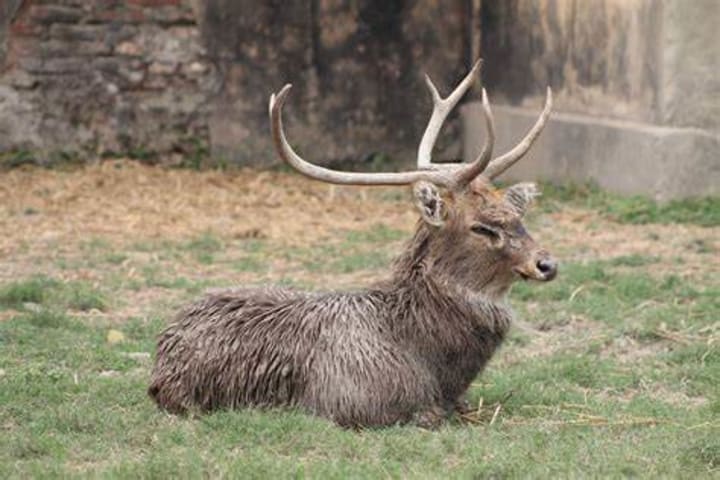
The Sangai deer, also known as the "dancing deer" due to its delicate gait, is one of India’s most enigmatic animals, found exclusively in the Keibul Lamjao National Park in Manipur. What makes the Sangai truly unique is its habitat: it lives on "phumdis," or floating islands, made of decomposing organic matter on the Loktak Lake. This swampy, unstable habitat gives the deer its distinctive gait, as it must tread carefully to avoid sinking.
Despite its cultural importance to the people of Manipur, the Sangai is critically endangered due to habitat degradation and a rising water level in the lake. Conservation efforts are ongoing, with the state government implementing protective measures and conducting awareness campaigns to save this unique species.
6. Malabar Large-spotted Civet
Scientific Name: Viverra civettina
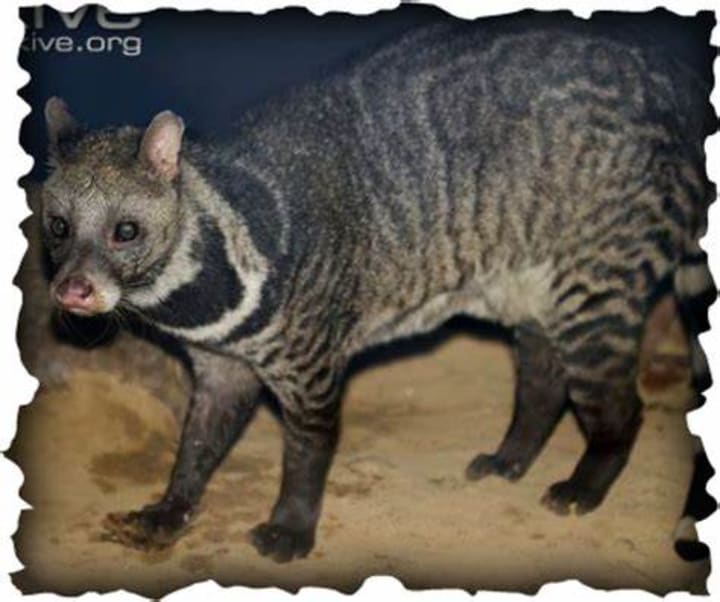
The Malabar large-spotted civet, a carnivorous mammal found only in the Western Ghats, is one of India’s most elusive animals. With its distinct large spots and a long bushy tail, it is well-suited to nocturnal hunting. These civets play an important ecological role as they help control rodent populations and assist in seed dispersal.
Once widespread across the Western Ghats, the Malabar civet’s numbers have dwindled significantly, mainly due to habitat loss and hunting. Despite conservation efforts, the lack of sightings has raised concerns that it might be on the brink of extinction, as only a handful of confirmed observations have occurred in recent years. It is critically endangered and one of the rarest animals in India.
7. Pygmy Hog
Scientific Name: Porcula salvania
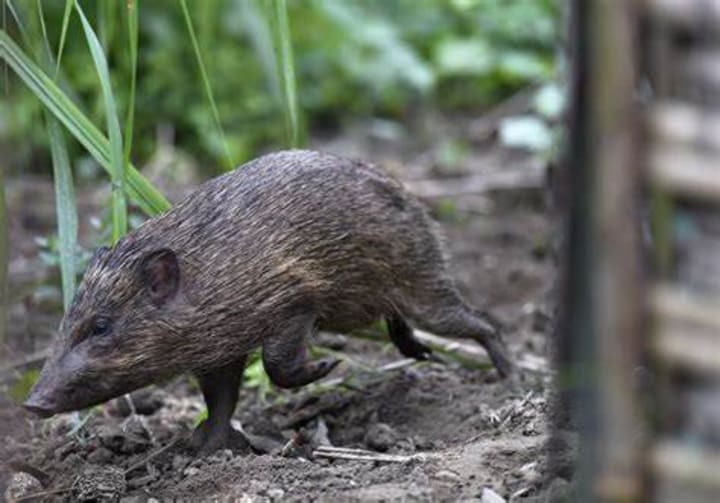
The pygmy hog is the smallest and rarest wild pig in the world, native to the grasslands of Assam in Northeast India. Weighing only around 8 to 10 kg, these tiny creatures live in dense grasslands and feed on roots, tubers, and small insects. They build small, dome-shaped nests to shelter from predators and environmental extremes.
Historically, these pigs were more widespread, but habitat destruction has led to their severe decline. The Pygmy Hog Conservation Program, launched in collaboration with the government and conservation organizations, has been instrumental in reintroducing pygmy hogs to protected areas like the Manas National Park. Still, the species remains critically endangered, with only a few hundred individuals in the wild.
8. Himalayan Monal
Scientific Name: Lophophorus impejanus
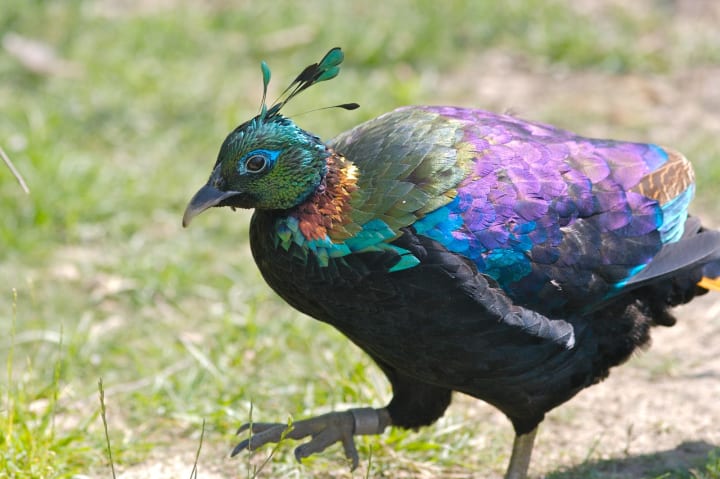
The Himalayan monal, also known as the "Danphe," is a brilliantly colored bird native to the high-altitude regions of the Himalayas. As the state bird of Uttarakhand and the national bird of Nepal, it is known for its iridescent plumage, with males sporting vibrant blues, greens, and reds, while females are more subdued in color.
Monals are adapted to cold, mountainous environments and feed on a diet of roots, seeds, insects, and small animals. They play a key role in seed dispersal, aiding forest regeneration. While not currently endangered, Himalayan monals are threatened by habitat loss and poaching for their feathers, which are highly valued in local cultures.
9. Indian Pangolin
Scientific Name: Manis crassicaudata
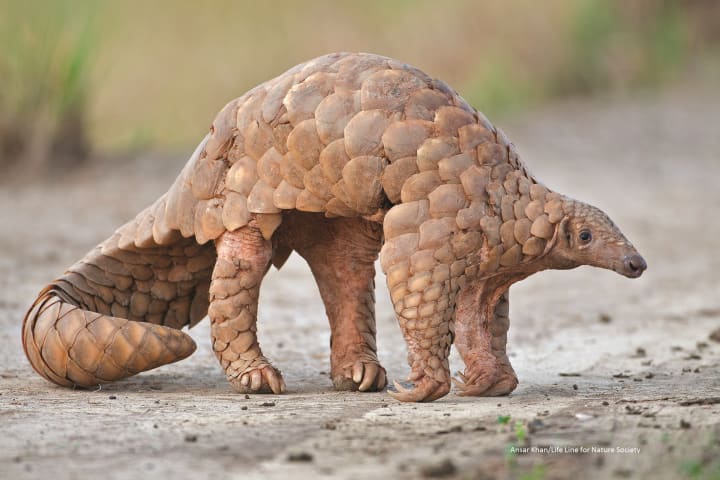
The Indian pangolin, a unique scaly mammal, is found across parts of India and is recognized for its peculiar appearance and behavior. Pangolins are covered in protective scales made of keratin, making them well-protected against predators. They are nocturnal and solitary animals, primarily feeding on ants and termites using their long, sticky tongue.
Despite its wide range, the Indian pangolin is severely threatened by illegal hunting for its scales, which are used in traditional medicine and are in high demand in international wildlife markets. This has led to the pangolin being classified as endangered, and there are ongoing efforts by conservationists to protect this species from poaching.
Conservation Challenges and Initiatives
India’s rich endemic fauna is at risk from factors such as deforestation, climate change, and human encroachment. However, there are numerous initiatives in place to combat these issues. National parks and wildlife sanctuaries across India, including the Western Ghats, the Himalayas, and Assam's protected areas, serve as critical habitats for these species. Programs like Project Tiger, the Pygmy Hog Conservation Program, and the recent Great Indian Bustard Recovery Program aim to protect these animals and their environments.
Educational outreach and community involvement are also essential in these conservation efforts, as local communities play a vital role in protecting wildlife. Sustainable tourism practices are promoted in areas like the Himalayas and the Western Ghats, generating funds and awareness for conservation while supporting local economies.
Conclusion
India's wealth of unique wildlife is a testament to its diverse ecosystems, yet many of these animals face imminent threats due to human activities. Conservation of India’s endemic species is not only essential for preserving biodiversity but also for maintaining ecological balance. Every effort, from grassroots campaigns to large-scale government programs, plays a role in protecting these fascinating creatures. With continued conservation efforts and a commitment to sustainable practices, India’s unique animals may continue to thrive for future generations.
About the Creator
Keep reading
More stories from Mohammed thanvir and writers in Earth and other communities.
Geckos’ Sixth Sense: A New Study Challenges the Foundations of Reptile Hearing
Introduction: The animal kingdom is full of mysteries, and new scientific research often reveals unexpected sensory capabilities that challenge our understanding of how creatures perceive the world. One of the most fascinating recent discoveries comes from the study of geckos—a group of small to medium-sized lizards that inhabit a wide range of environments, from tropical rainforests to arid deserts. These creatures have long intrigued scientists due to their remarkable ability to climb walls and ceilings using adhesive toe pads. However, a new study has uncovered yet another extraordinary ability: geckos may have a "sixth sense" when it comes to hearing, a discovery that could reshape our understanding of reptilian sensory biology and evolution.
By Mohammed thanvirabout a year ago in Earth
Melting Antarctic Ice Did the Opposite of What Scientists Expected
Antarctica’s ice sheets are melting faster than ever. For decades, scientists believed this could actually help slow climate change by feeding the ocean with iron, a nutrient that powers algae growth — and in turn, draws carbon dioxide from the atmosphere.
By Ayesha Lashari3 days ago in Earth


Comments
There are no comments for this story
Be the first to respond and start the conversation.