
How Tornadoes Reflect Nature’s Power and Our Preparedness
Nature’s Power

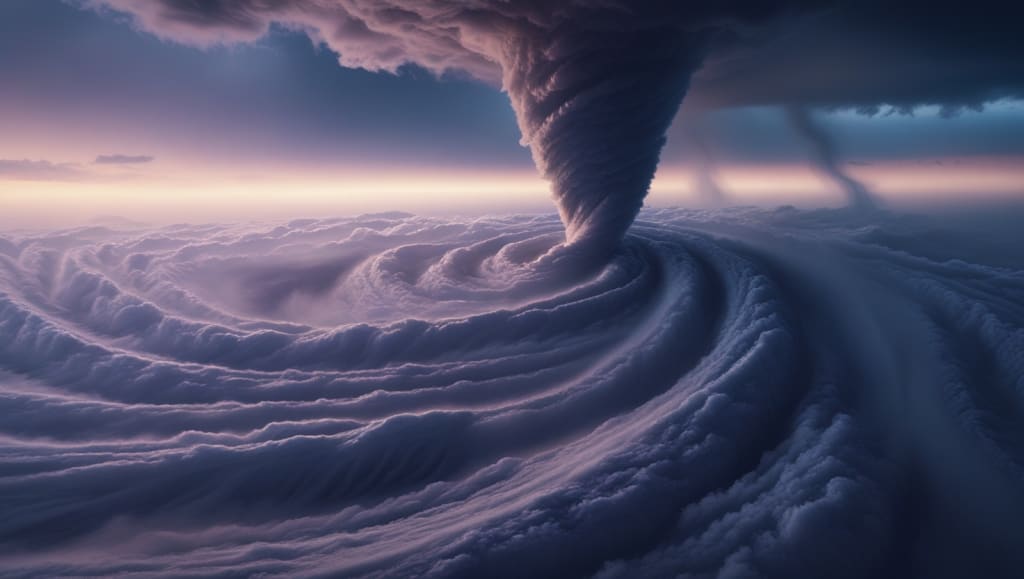
Tornadoes are among the most dramatic and dangerous natural events on Earth. These powerful rotating columns of air can destroy buildings, flip cars, and uproot trees in a matter of seconds. But beyond the physical destruction, tornadoes also reflect something deeper: the immense power of nature and how human beings prepare, respond, and adapt in the face of that power.
What Is a Tornado?
A tornado is a violently rotating column of air that extends from a thunderstorm to the ground. It is one of the most intense and destructive weather phenomena. Tornadoes can vary in size, shape, and strength. Some may be narrow and rope-like, while others can appear as massive, dark funnels that cover wide areas.
Tornadoes are measured using the Enhanced Fujita Scale (EF Scale), which ranks tornadoes from EF0 (weakest) to EF5 (strongest), based on the damage they cause. An EF5 tornado, for instance, can reach wind speeds of over 200 miles per hour and cause total destruction in its path.
How Tornadoes Form
Tornadoes usually form during powerful thunderstorms called supercells. These storms contain strong upward-moving air called updrafts and can develop a rotating column of air called a mesocyclone. When conditions are right, that rotating column may tighten and stretch toward the ground, becoming a tornado.
The key ingredients for tornado formation include:
Warm, moist air near the surface
Cold, dry air above
Strong wind shear (differences in wind speed or direction with height)
These conditions often exist in the central United States, particularly in a region known as “Tornado Alley,” which includes parts of Texas, Oklahoma, Kansas, and Nebraska.
Where and When Tornadoes Occur
Tornadoes can happen anywhere in the world, but they are most common in the United States. In fact, the U.S. experiences more tornadoes than any other country—over 1,000 each year. Canada, Argentina, and Bangladesh also see frequent tornado activity.
Most tornadoes occur in the spring and early summer when weather conditions are most favorable. However, they can also happen in the fall or even winter, especially in warmer regions. They are most likely to occur in the late afternoon or early evening.
The Destructive Power of Tornadoes
Tornadoes can destroy everything in their path. Homes are reduced to rubble, vehicles are thrown like toys, and entire communities can be left unrecognizable. In addition to property damage, tornadoes can cause injuries and loss of life. Flying debris is the most common cause of injury during a tornado.
In 2011, a devastating EF5 tornado struck Joplin, Missouri, killing over 150 people and injuring more than 1,000. It destroyed thousands of buildings and is one of the deadliest tornadoes in U.S. history. Such events show just how destructive tornadoes can be.
Reflecting Nature’s Power
Tornadoes are a clear reflection of the raw power of nature. They remind us that, no matter how advanced our technology becomes, we are still vulnerable to natural forces. The suddenness and unpredictability of tornadoes make them especially terrifying. Unlike hurricanes, which can be tracked for days, tornadoes can form and strike with very little warning.
At the same time, tornadoes reflect the complexity of Earth’s atmosphere. Meteorologists study tornadoes to understand more about weather patterns, storm formation, and climate. By observing tornadoes, we learn not only about danger but also about the science of the planet we live on.
Human Response and Preparedness
Tornadoes also reflect how prepared a society is. Communities that take tornadoes seriously—through building codes, warning systems, and emergency planning—tend to suffer fewer casualties. Tornado sirens, emergency alerts, and designated shelters can save lives.
Schools and workplaces in tornado-prone areas often hold tornado drills to practice how to take cover. Families are encouraged to have a tornado plan, including knowing where to go (like a basement or interior room), what supplies to keep (flashlights, water, radio), and how to stay informed during a storm.
Modern technology, like Doppler radar, helps meteorologists detect the signs of tornado development and issue warnings. Weather apps and emergency alerts allow people to receive notifications on their phones, even in the middle of the night.
Still, despite improvements, challenges remain. Not everyone has access to safe shelter or receives warnings in time. In rural or poor communities, resources may be limited. Tornadoes reflect inequalities, showing who is most at risk and who is best protected.
Environmental and Climate Considerations
Some scientists are studying whether climate change is affecting tornado patterns. While tornadoes are too small and short-lived to be directly linked to global warming in every case, shifts in temperature and moisture could influence where and when tornadoes occur.
There is some evidence that tornado outbreaks are becoming more intense and frequent in some areas, and that “Tornado Alley” may be shifting eastward. These trends raise questions about how communities can prepare for changing risks.
Tornadoes also reflect the relationship between humans and the environment. As we build more homes in storm-prone areas, the potential for damage and loss grows. Responsible development, smart planning, and sustainability all play a role in reducing the impact of these storms.
Lessons from the Storm
Ultimately, tornadoes remind us of the need for respect—for nature, for science, and for each other. They show the importance of community and communication. After a tornado, neighbors often help one another rebuild, search for survivors, and provide comfort. In the face of destruction, human kindness often shines through.
They also remind us not to take things for granted. A home, a car, even a tree in the yard—these can all be gone in minutes. But tornadoes also give us a chance to reflect, rebuild, and grow stronger as individuals and as communities.
Conclusion
Tornadoes are more than just dangerous storms. They are powerful reflections of the Earth's forces, the fragility of human life, and the strength of our response. While we cannot stop them, we can learn from them. Through science, planning, and compassion, we can prepare better and protect more lives. And in doing so, we reflect the best of what it means to be human—resilient, united, and ever-ready to face the winds of change.
About the Creator
Mr Rifat Ahmed
Hi I am MD Rifat Ahmed. My Special Hobby is Writing. That's Why I am Here
Reader insights
Nice work
Very well written. Keep up the good work!
Top insight
Expert insights and opinions
Arguments were carefully researched and presented
Keep reading
More stories from Mr Rifat Ahmed and writers in Earth and other communities.
Instructions to Avoid lightning
Be Lightning Safe: Follow These 20 Crucial Instructions from Bangladesh Fire Service and Civil Defense In recent years, Bangladesh has witnessed an alarming rise in lightning-related fatalities and injuries, particularly during the pre-monsoon and monsoon months. In light of this, the Bangladesh Fire Service and Civil Defense Department has issued 20 life-saving emergency instructions to help the public stay safe during thunderstorms. These guidelines are essential for everyone—urban and rural residents, farmers, workers, students, and families alike.
By Mr Rifat Ahmed9 months ago in Earth
US Winter Storm: At Least 30 Dead as Nearly 200 Million Under Cold Alerts
Deadly Winter Hits the United States A historic winter storm has swept across the United States, leaving at least 30 people dead and nearly 200 million residents under cold-weather alerts. The storm, marked by record-low temperatures, heavy snow, and icy conditions, has affected large portions of the country from the Midwest to the East Coast. Meteorologists describe this event as one of the most severe in recent decades, noting its combination of extreme cold, high winds, and widespread snow coverage. Authorities warn that these conditions pose significant risks to public safety and infrastructure. Understanding the Storm The winter storm is the result of a polar air mass moving southward, colliding with warmer air from southern regions. This interaction has created blizzard conditions, ice accumulation, and dangerously low wind chill temperatures. Cold alerts have been issued for nearly two-thirds of the U.S. population, including major cities such as Chicago, New York, and Dallas. Temperatures have plunged to historic lows in some regions, reaching -30°F (-34°C) in northern states. Fatalities and Human Impact At least 30 confirmed deaths have been attributed to the storm, primarily caused by traffic accidents, hypothermia, and carbon monoxide poisoning from improper heating methods. Emergency services report a surge in calls for assistance, including rescues of stranded motorists and people trapped in their homes. Vulnerable populations, including the elderly, homeless, and low-income families, are particularly at risk. Shelters and warming centers have been opened in major cities, but demand has exceeded capacity in many areas. Transportation and Infrastructure Disruptions The storm has caused widespread disruption to transportation networks, including: Thousands of flight cancellations and delays at major airports Closed highways and roads due to ice and snow Delays in public transit systems in urban areas Power outages affecting millions of homes and businesses Utility companies are working to restore electricity, but extreme cold complicates repair efforts. Residents are advised to limit travel, conserve energy, and prepare for extended outages. Public Health Concerns Severe cold presents serious public health risks. Authorities emphasize the importance of: Staying indoors whenever possible Wearing layers of warm clothing Avoiding prolonged exposure to the cold Checking on neighbors, especially elderly or disabled individuals Medical professionals warn that hypothermia, frostbite, and heart strain from shoveling snow are common causes of winter-related emergencies during such storms. Carbon monoxide poisoning has also been a concern, as some residents use improper heating devices indoors. Community Preparedness and Response Community response has been critical in mitigating the impact of the storm. Local governments and organizations have: Set up emergency warming centers and shelters Deployed road crews for snow and ice removal Coordinated with volunteers and nonprofits to deliver food, blankets, and supplies Issued emergency alerts and advisories through multiple channels Citizens are encouraged to check on neighbors, keep emergency kits ready, and follow official guidance to stay safe. Economic and Social Consequences Beyond immediate safety concerns, the winter storm is expected to have economic repercussions: Retail, hospitality, and service sectors face lost revenue due to closures Supply chains are delayed, affecting deliveries and manufacturing Utility companies will incur extra costs for emergency repairs and overtime Insurance claims for property damage and vehicle accidents are likely to rise The storm also highlights social inequality, as lower-income households are less equipped to cope with prolonged outages or heating costs. The Role of Climate Patterns Meteorologists link extreme winter storms to polar vortex fluctuations, La Niña effects, and broader climate variability. While global warming has generally increased average temperatures, it has also contributed to more extreme and erratic weather patterns, including sudden cold outbreaks in temperate regions. Experts stress the importance of investing in resilient infrastructure, emergency planning, and climate adaptation strategies to minimize future impacts. Key Safety Recommendations for Communities Authorities advise that individuals and communities take proactive measures, including: Maintaining emergency supplies, including food, water, and blankets Avoiding unnecessary travel and staying informed via official channels Checking on vulnerable residents and providing assistance Ensuring proper ventilation when using indoor heating devices Community solidarity can significantly reduce fatalities and hardships during extreme weather events. Looking Ahead While the storm is expected to gradually move eastward, meteorologists caution that dangerous conditions may persist in some areas for several days. Recovery will require coordination between local governments, utility providers, and community organizations. This event also serves as a reminder of the importance of preparedness, highlighting how weather emergencies can quickly affect millions of people, disrupt services, and threaten lives. Conclusion The US winter storm has been deadly and disruptive, claiming lives, overwhelming infrastructure, and affecting nearly 200 million people under cold alerts. Its impact extends beyond immediate safety to economic, social, and public health consequences. Communities that prepare, support vulnerable residents, and follow emergency guidance can mitigate the worst effects. This storm underscores the urgent need for awareness, planning, and resilience in the face of increasingly extreme weather events.
By Aarif Lashari7 days ago in Earth
Ukrainian President Zelenskyy Invites Putin to Kyiv for Talks
Ukrainian President Volodymyr Zelenskyy has publicly invited Russian President Vladimir Putin to Kyiv for direct talks, marking one of the most striking diplomatic gestures since the outbreak of the war between Russia and Ukraine. The invitation, unprecedented in both symbolism and political risk, immediately drew global attention and sparked intense debate among diplomats, analysts, and citizens alike.
By Aarif Lashari3 days ago in Earth


Comments (1)
Nice.