
Biochar Carbon Removal (BCR): Locking the Sky's Carbon into the Earth
Paving the Way to a Net Zero Future
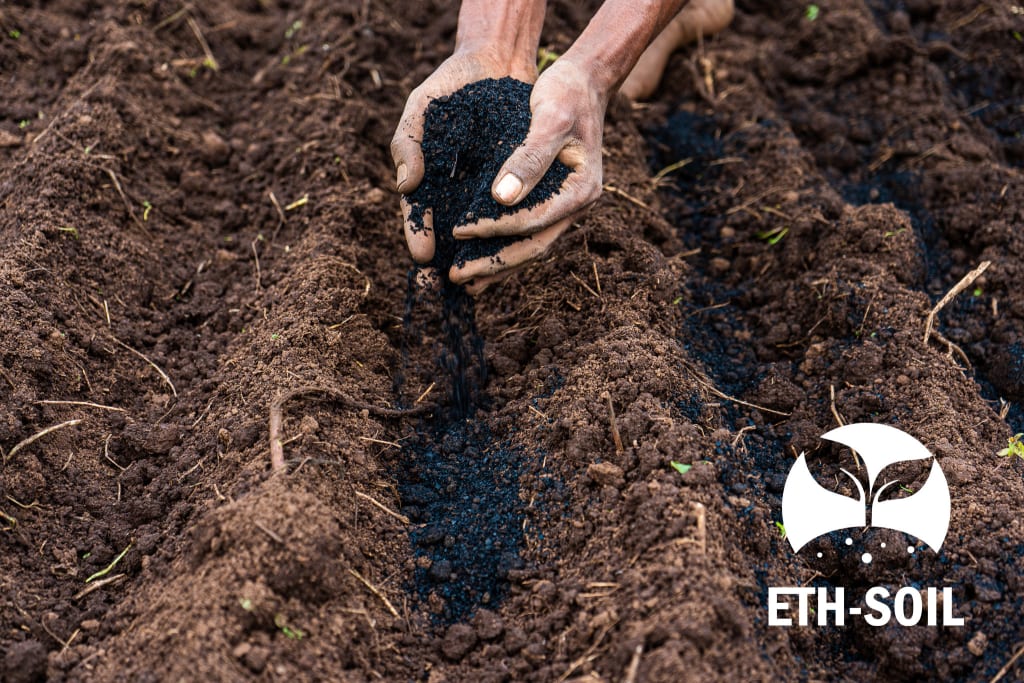
As the world races to mitigate climate change, the role of carbon removal technologies is becoming more critical. While reducing emissions remains a priority, actively removing excess carbon dioxide (CO2) from the atmosphere has emerged as a crucial piece of the puzzle. One of the most innovative and scalable solutions in this space is Biochar Carbon Removal (BCR). Not only does BCR lock carbon away for centuries, but it also generates carbon removal credits, creating a financial incentive to scale up this climate-positive solution.
What Are Carbon Removal Credits?
Carbon removal credits are tradable certificates that represent the amount of carbon dioxide removed from the atmosphere and stored for the long term. They serve as a mechanism for companies, governments, and individuals to offset their carbon emissions by funding projects that actively capture and sequester CO2.
In the voluntary carbon market, businesses and organizations can buy these credits to compensate for their own emissions. As the demand for reliable and high-quality carbon offsets grows, projects that offer verifiable, permanent carbon removal solutions—like Biochar Carbon Removal—become valuable assets.
How Biochar Generates Carbon Removal Credits
The process by which Biochar generates carbon removal credits follows a clear and systematic pathway, ensuring the credits are both legitimate and measurable.
1. Measurement and Verification:
For Biochar to generate carbon credits, it must undergo a robust process of measurement and verification. Third-party auditors, often working with standards such as the Verified Carbon Standard (VCS) or the Gold Standard, assess the amount of CO2 that has been removed from the atmosphere through the pyrolysis process. This ensures that the carbon sequestered in the form of biochar will stay out of the atmosphere for the designated period—usually hundreds to thousands of years.
This is done by measuring the weight of biochar produced, calculating the amount of carbon in the material, and ensuring that it is properly stored in a manner that guarantees long-term stability.
2. Documentation of Carbon Sequestration:
Once the biochar is produced, the amount of carbon it contains is recorded. This carbon is considered permanently removed from the atmosphere because biochar's stability prevents microbial decomposition. Since biochar is not likely to break down over time, the carbon remains locked away.
The key to generating carbon credits lies in documenting this sequestration. Carbon removal projects must show evidence of how long the carbon is stored (generally hundreds to thousands of years) and the permanence of the storage.
3. Issuance of Carbon Removal Credits:
Once the verification process is completed, carbon credits are issued based on the amount of carbon sequestered by the biochar project. These credits are then made available for sale on carbon markets.
The credits can be bought by businesses, organizations, or individuals looking to offset their emissions. This helps fund the continued development of biochar projects, enabling more carbon to be sequestered while also providing a financial incentive for farmers, landowners, and communities to participate in the carbon removal process.
4. Long-Term Impact on the Carbon Market:
As biochar projects scale up, the total amount of carbon removal credits available on the market increases. Biochar's ability to sequester carbon for such long periods of time makes it a highly attractive option for those seeking reliable and permanent carbon offsets. With increasing demand for high-quality carbon credits, biochar is positioned to become a cornerstone of the voluntary carbon market, ensuring that carbon removal efforts can continue to grow and meet global climate targets.
Why Biochar's Carbon Removal Credits Are Valuable
Permanence and Verifiability: Unlike many other carbon offset strategies, biochar provides a stable, long-term carbon sink. Because biochar is stable for centuries, it guarantees that the carbon removed from the atmosphere remains sequestered, which is a major selling point in the carbon market.
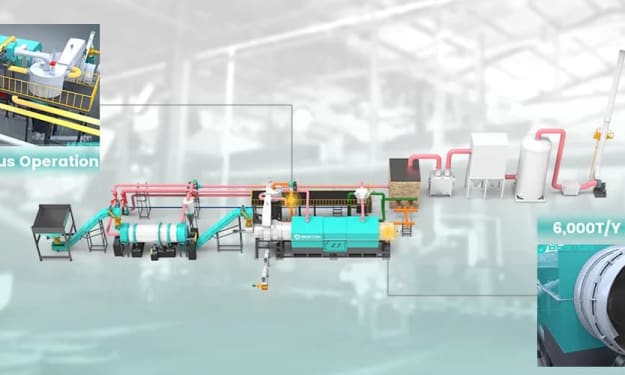
Co-Benefits: Biochar from modern biochar machine often provide significant co-benefits, such as improving soil health and fertility, reducing the need for chemical fertilizers, and even creating renewable energy. These benefits enhance the appeal of biochar as a carbon removal strategy and increase its value in the carbon market.
Scalability and Accessibility: Biochar is one of the most cost-effective and scalable carbon removal solutions available today. Its ability to use agricultural and forestry waste means it can be implemented in diverse regions, from large-scale industrial projects to small-scale community initiatives.
The Future of Biochar in the Voluntary Carbon Market
Biochar Carbon Removal is a promising tool in the battle against climate change, and its role in the voluntary carbon market will continue to grow as the demand for high-quality carbon offsets increases. With its ability to sequester carbon for hundreds of years and its wide range of co-benefits, biochar presents a unique opportunity to not only fight climate change but also improve agricultural practices, restore degraded soils, and create new economic opportunities for rural communities.
As the world moves toward a Net Zero future, Biochar Carbon Removal, coupled with carbon removal credits, can play a pivotal role in helping us achieve our climate goals, one ton of carbon at a time.


Comments
There are no comments for this story
Be the first to respond and start the conversation.