
Wisconsins Overlooked Pattern: How Many Cases Are We Not Talking About?
A Timeline of Unsolved, Contested, and Overlooked Cases in Wisconsin (1970–1990): Patterns, Proximity, and Questions That Remain

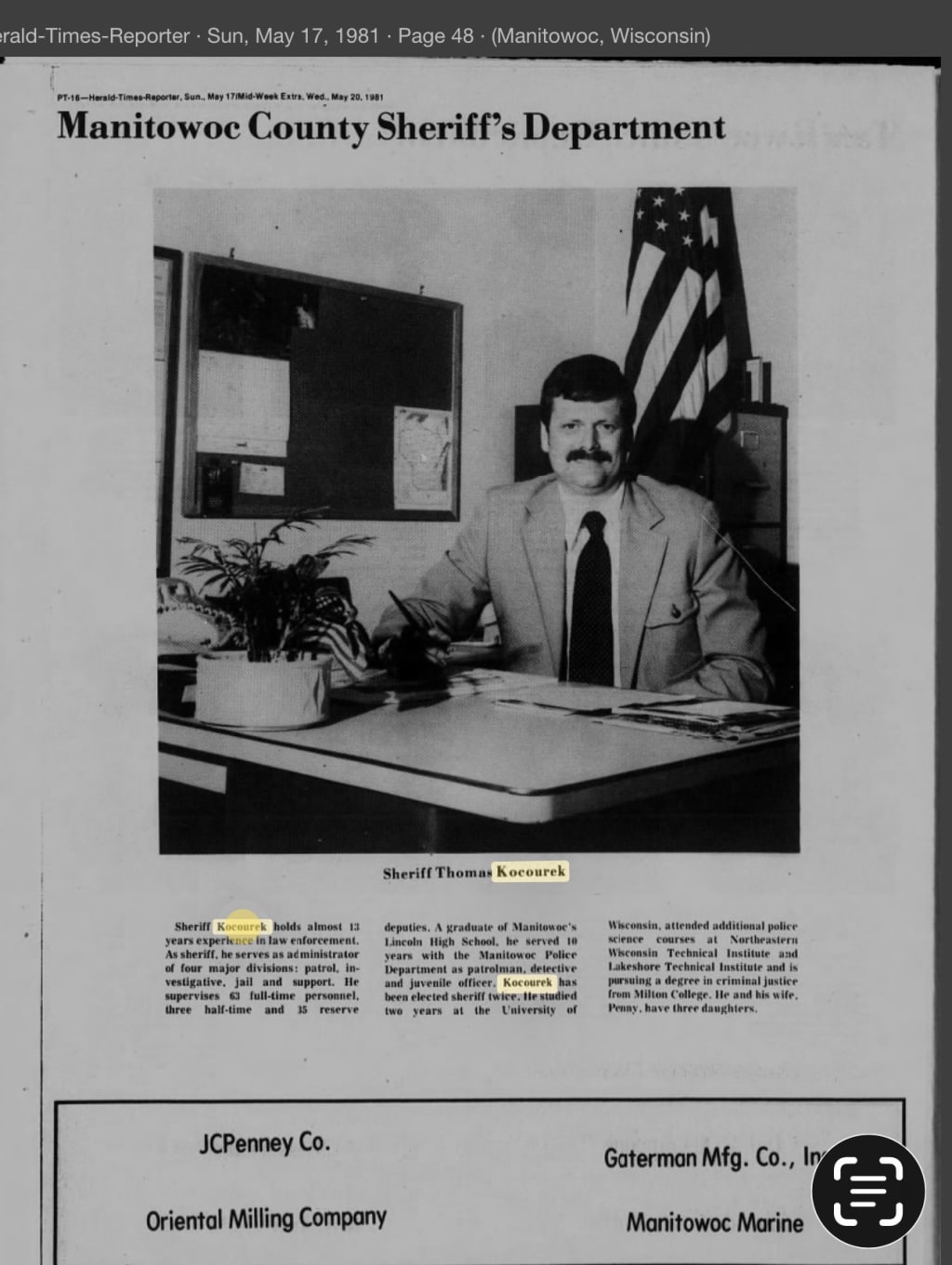
Wisconsin’s criminal history from the 1970s through the early 1990s is often discussed in fragments: a single notorious case, a single wrongfully convicted man, or a single serial offender. What is less frequently examined is the collective landscape—a dense cluster of murders, disappearances, infant deaths, sexual assaults, and investigative failures that unfolded across overlapping geography and time.
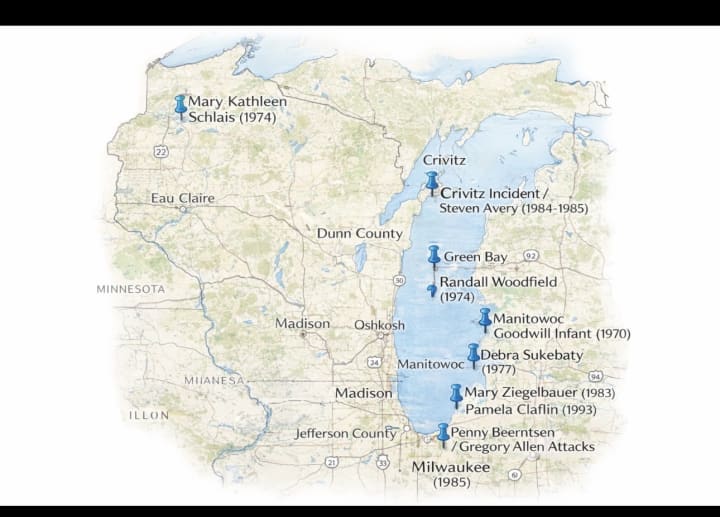
This article does not assert a single theory or culprit. Instead, it lays out a timeline-based overview of significant cases in Manitowoc County and surrounding regions, alongside known offender activity, to encourage informed discussion, pattern recognition, and continued inquiry.
1970–1972: The Earliest Shadows
The “Angel Baby” Cases (1970)

In March 1970, a newborn infant girl was found deceased behind Two Rivers City Hall. Later that year, another newborn was discovered in a Goodwill donation trailer traced back to collections in the Manitowoc–Two Rivers area. Both infants remained unidentified for decades.
Recent updates indicate progress through modern forensic genealogy, including removal of at least one case from NamUs—often signaling identification.
Source:
https://www.namus.gov
https://www.wicourts.gov
https://uncovered.com/states/wisconsin-cold-cases
Mary Glander (1972) — Manitowoc
Mary Glander, an elderly woman, was found murdered in her apartment on July 10, 1972. Two fires had been intentionally set after her death.
Two brothers, Marvin and Randall Rohl, were convicted. A central piece of evidence was a silver flashlight, later alleged in post-conviction filings to possibly belong to law enforcement rather than the defendants—an issue courts ultimately ruled insufficient to overturn the conviction.
The case remains legally “solved,” yet frequently cited in discussions about evidence handling and disclosure obligations.
1974–1977: Escalation Across Counties
Mary Kathleen Schlais (1974)
Mary Schlais was murdered while hitchhiking in Dunn County. For decades the case remained unsolved and fueled speculation about multiple suspects, including men passing through Wisconsin at the time.
In 2024, the case was resolved through investigative genetic genealogy, underscoring the limits of 1970s forensic tools and the power of modern DNA analysis.
Source:
https://www.jsonline.com
https://dnadoeproject.org
1974: Randall Woodfield in Wisconsin
Randall Woodfield (The “I-5 Killer”) — Wisconsin Presence
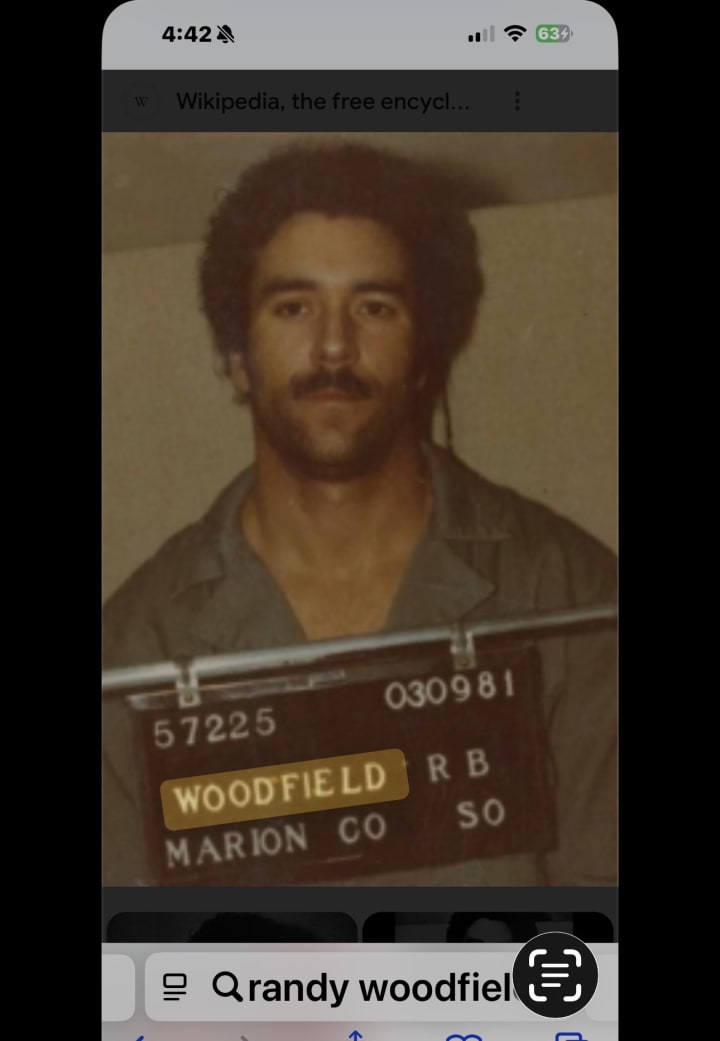
In 1974, Randall Woodfield lived and worked in the Green Bay and Manitowoc areas while attending Packers training camp and later playing semi-pro football.
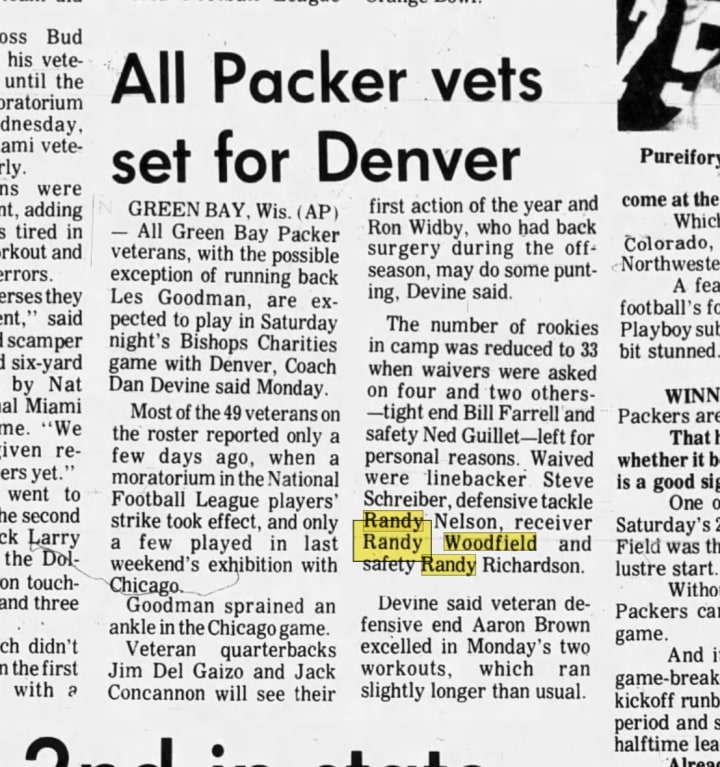
During this period:
• He was reportedly involved in multiple indecent exposure incidents.
• He worked civilian jobs.
• He remained in Wisconsin during the same year as Mary Schlais’ murder (later solved).
Woodfield left Wisconsin before his later murder spree in the Pacific Northwest, but his documented presence contributes to the broader historical context of regional predatory behavior during the decade.
Debra Sukowaty (1977)
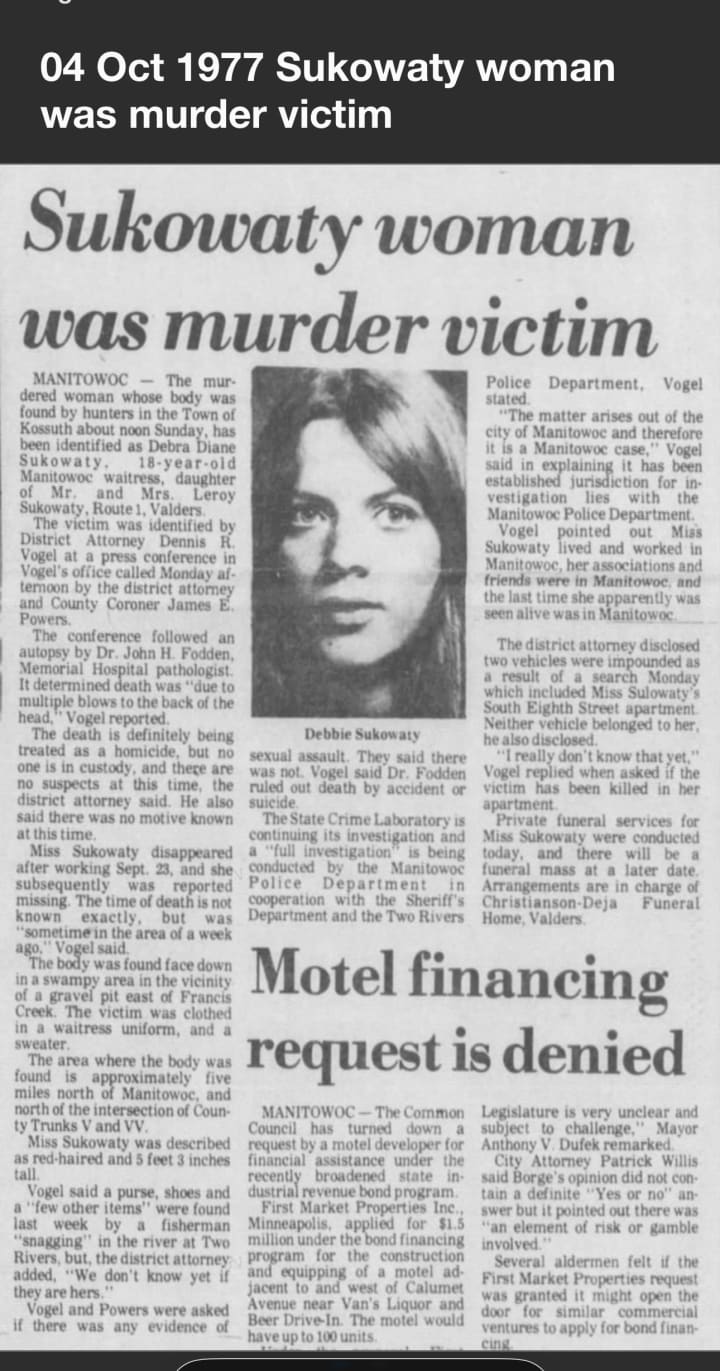
Eighteen-year-old Debra Sukowaty disappeared in September 1977. Her body was later found in a gravel pit. Ronald Fencl was convicted in 1978. The case later became notable in Wisconsin legal history due to appellate litigation involving prosecutorial comments and defendants’ rights.
1980–1983: A Concentration of Violence
Barbara Mae Tucker (1980) — Contextual Case
Though not a Wisconsin crime, the 1980 murder of Barbara Mae Tucker in Oregon is often referenced in Wisconsin cold-case research circles because it was solved decades later using the same genetic genealogy techniques now applied to Midwest cases.
Edward Edwards and the “Sweetheart Murders” (1980)
Timothy Hack and Kelly Drew disappeared after a wedding in Jefferson County. Their murders were solved in 2009 when DNA linked the crime to Edward Edwards, who had been living and working in Wisconsin at the time.
Mary Ziegelbauer (1983) — Manitowoc County
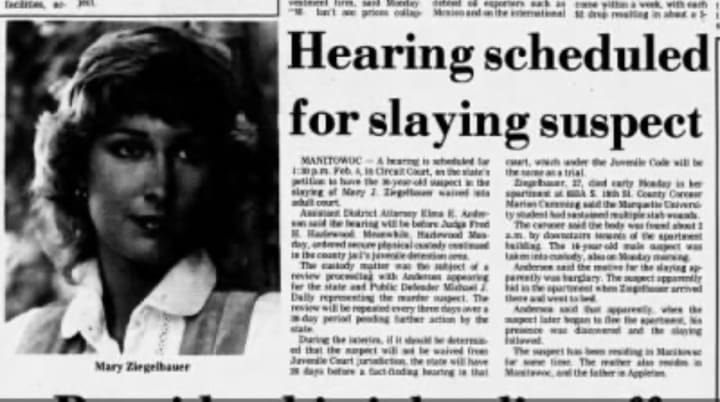
Mary Ziegelbauer was murdered in January 1983. A juvenile offender was convicted. While legally resolved, the case sits within a broader pattern of violence against women in the same region and decade.
The Disappearance of Laurie Depies (1992)
On August 19, 1992, 20-year-old Laurie Depies vanished from the parking lot of her apartment complex in Menasha, Wisconsin. She had spoken with her mother by phone shortly before midnight and planned to go to bed. When her boyfriend arrived later that night, Laurie was gone. Her car remained parked, her purse was inside her apartment, and there were no signs of a struggle.
Despite extensive searches and thousands of tips, Laurie was never found. Over the years, multiple suspects were investigated, including convicted killers operating in Wisconsin at the time. In later decades, serial offender Larry Hall claimed responsibility, but investigators were unable to corroborate his confession. Laurie Depies’ disappearance remains one of Wisconsin’s most haunting unsolved cases, emblematic of a broader pattern of unresolved crimes against young women in the region during the late 20th century.
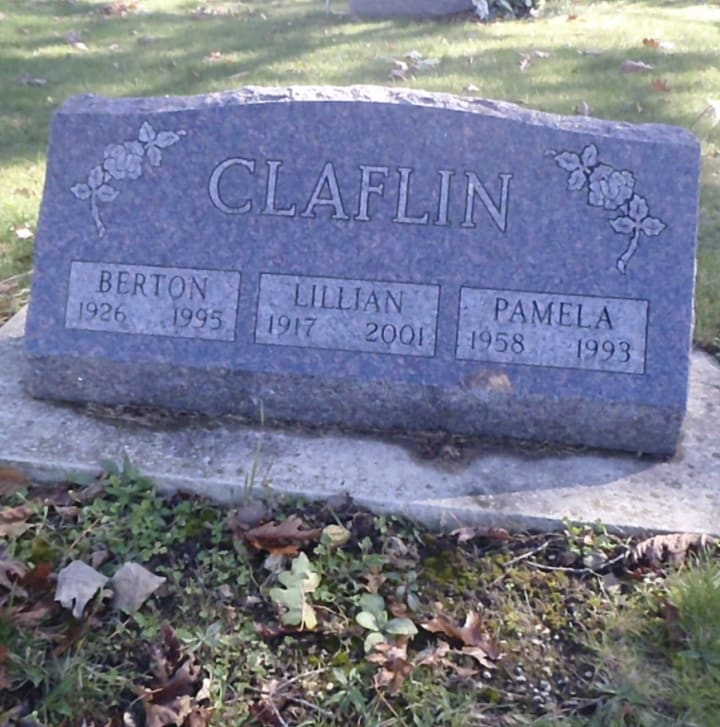
Pamela “Pam” Claflin (1993) — Manitowoc
Pam Claflin disappeared after leaving a bar with Randall Mataya. Her murder led to conviction, appeals, and extensive litigation over witness credibility, disclosure obligations, and third-party evidence.
Court opinion:
https://www.wicourts.gov/ca/opinion/DisplayDocument.html?content=html&seqNo=13671
1984–1985: Gregory Allen, Surveillance, and a Wrongful Conviction
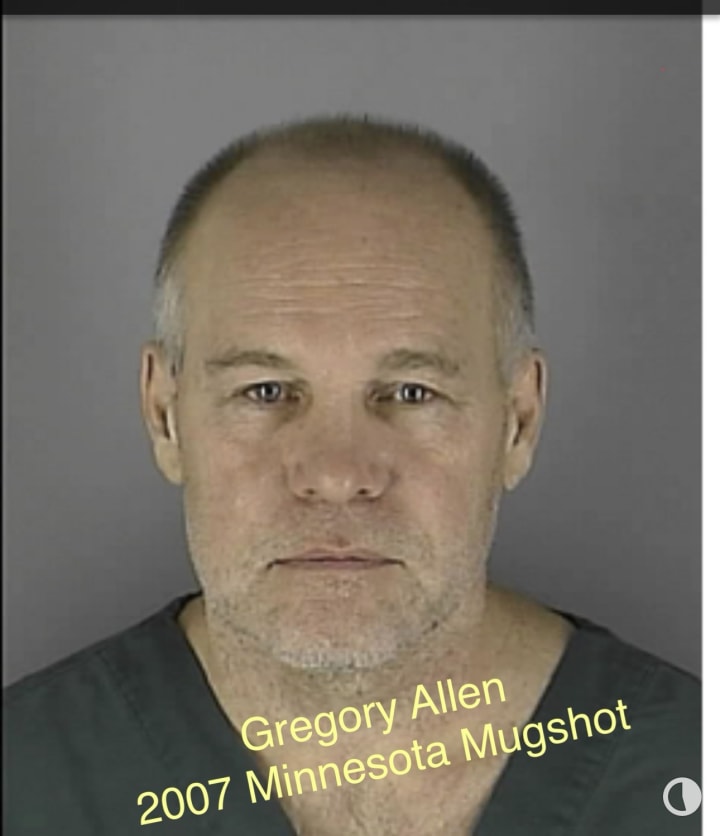
Gregory Allen Activity
Gregory Allen first bleeps on Wisconsins radar in 1980. He has a documented criminal history that began in his teen years in Minneapolis, Minnesota. He is a named suspect in the 1975 unsolved murder of Donna Emmel in North Carolina. Police records show Gregory Allen was under surveillance in 1985 due to multiple sexual assault and prowling incidents in Manitowoc County. Internal documents described him as “dangerous” with “potential for violence.”
Despite this, on July 29, 1985, Penny Beerntsen was raped while jogging near Lake Michigan.
Gregory Allen would go on to assault a woman in Minnesota in 1991. A case first linked to him in 1999. A subsequent DNA test in 2005 resulted in a criminal complaint and arrest warrant in May 2005. Allen was extradited from a Wisconsin prison to Minneapolis, Minnesota in December 2007 and former county attorney Amy Sweasy would oversee the case and plea deal finalized in April 2008.
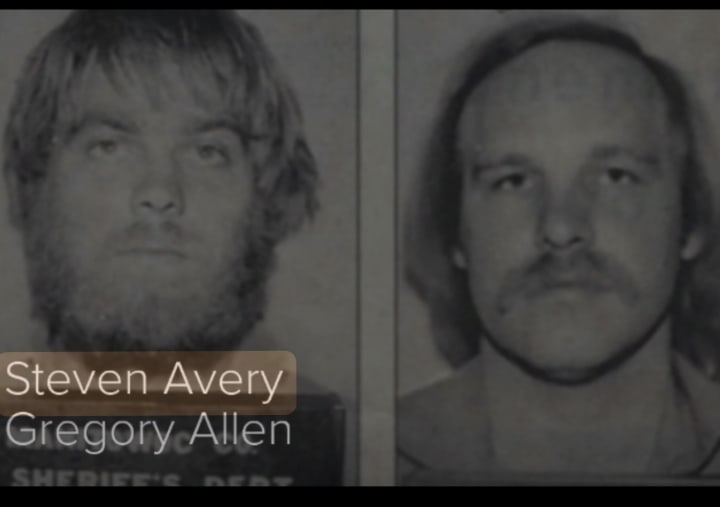
Penny Beerntsen & Steven Avery
Steven Avery was convicted and served 18 years before DNA evidence exonerated him and identified Gregory Allen as the perpetrator.
The case is now a cornerstone example of wrongful conviction, investigative tunnel vision, and missed opportunities.
The Crivitz Incident (1984–1985)
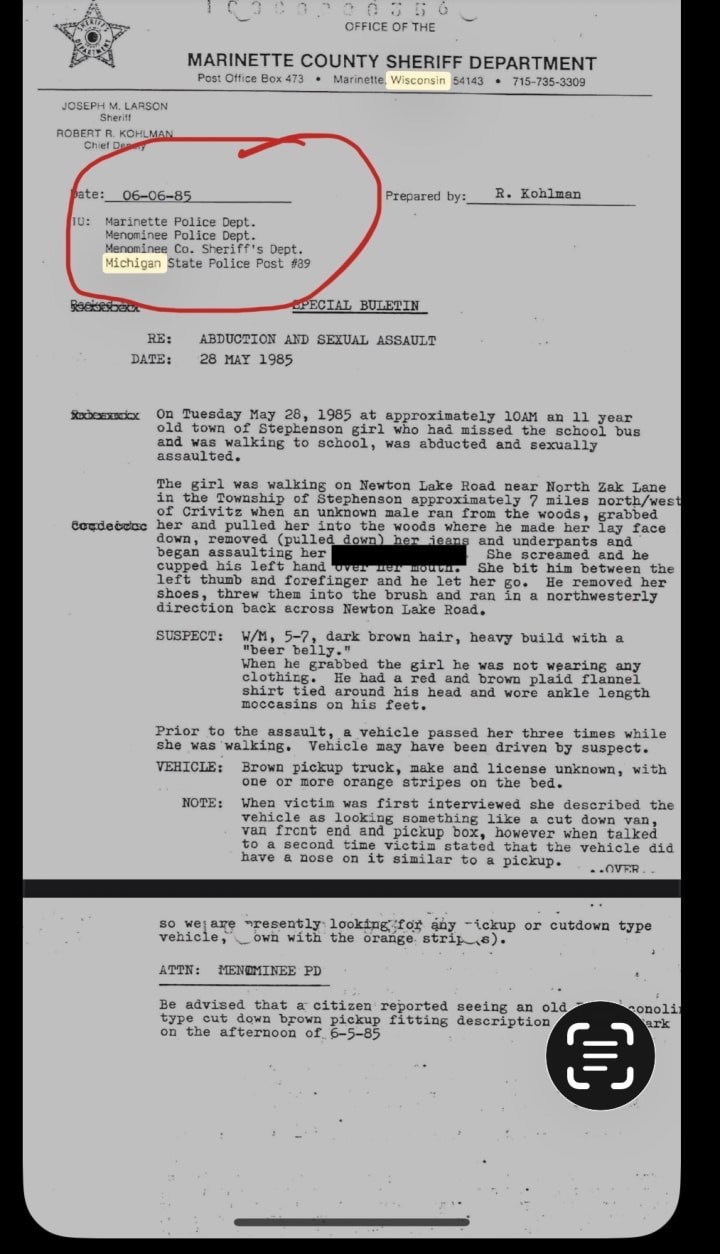
In 1984, Avery assaulted a relative by marriage in Crivitz, pointing an unloaded firearm at her after running her off the road. While serious, the incident involved no sexual assault or abduction.
Following the Beerntsen rape, Manitowoc officials allegedly used this prior incident to shape Avery’s profile as a sexual predator, despite significant dissimilarities between the events.
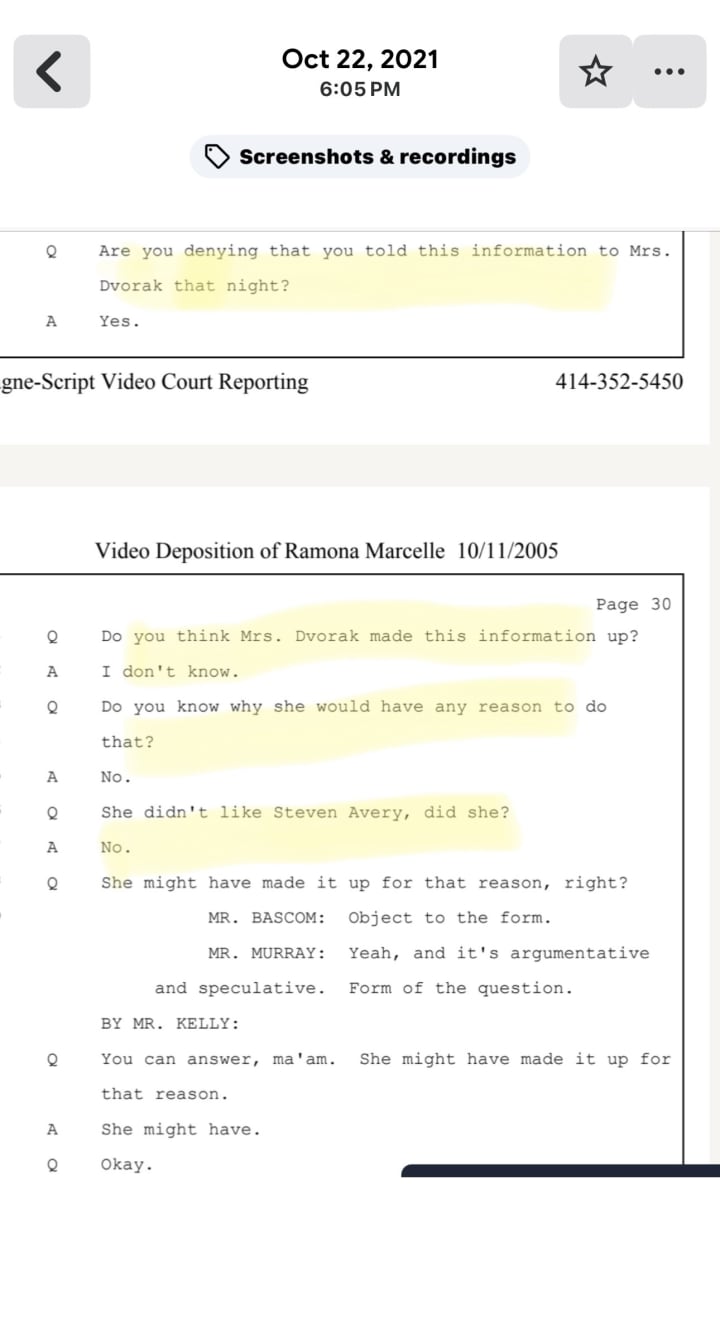
Civil case filings later alleged selective use of reports and narrative framing.
Why a Timeline Matters
Individually, each case has its own narrative. Collectively, they reveal:
• Repeated investigative blind spots
• Geographic clustering along transportation corridors
• Escalating offender behavior
• The limits of pre-DNA forensic science
• The enduring impact of tunnel vision
This article does not claim these cases are linked. It asks whether seeing them together changes the questions we ask.
Sources & Further Reading
• Wisconsin Cold Case Database: https://uncovered.com/states/wisconsin-cold-cases
• Wisconsin Court Opinions: https://www.wicourts.gov
• Steven Avery Case Review Memo (2003): https://isthmus.com/downloads/31173/download/Steve%20Avery%20review%20memo%20121703.pdf
About the Creator
SunshineChristina
I am a social and criminal justice reform advocate and researcher. I love true crime and also fighting to help bring and spread awareness to the myriad of troubling issues that are effecting American society.
Keep reading
More stories from SunshineChristina and writers in Criminal and other communities.
When Custody Becomes Commerce
Prison Blood, Political Access, and the Quiet Economy of Discretion (1960–2026) There is a moment that comes in long investigations when the facts stop behaving like isolated events and begin to line up. Not because someone is forcing them into a theory, but because they keep repeating the same shape.
By SunshineChristina11 days ago in Criminal
He shouldn’t have touched it… but he did
Mark and Elena were celebrating Mark’s forty-fifth birthday. Elena insisted they dine at a small traditional restaurant in the quiet coastal town of Riverview Heights. They spent the evening laughing, dancing, and enjoying the warm atmosphere, a night that seemed perfect… almost too perfect.
By Ahmed Abdeen6 days ago in Criminal
Trump Sues the IRS: A Detailed Look at the High-Profile Legal Battle
**Trump Sues the IRS: A Detailed Look at the High-Profile Legal Battle** Former U.S. President Donald Trump has launched a major lawsuit against the Internal Revenue Service and the U.S. Department of the Treasury, turning a long-running controversy over leaked tax records into a full-scale legal confrontation. The case centers on claims that federal agencies failed to protect highly confidential tax information, leading to unauthorized disclosures that Trump argues caused serious personal, financial, and reputational harm.
By America today 4 days ago in Criminal



Comments (1)
Where did you find the information that Laurie Depies was home alone, calling her mom at midnight? I was under the impression that her boyfriend and friends were at her apartment when she got home.