
Clara Harris: The Texas Socialite
Who Ran Over Her Husband — And the Affair That Turned Deadly


Clara Harris: The Texas Socialite Who Ran Over Her Husband — And the Affair That Turned Deadly
A luxury lifestyle, a cheating spouse, a hired private investigator, and a parking-lot confrontation that ended in one of the most shocking crimes of passion in modern true crime
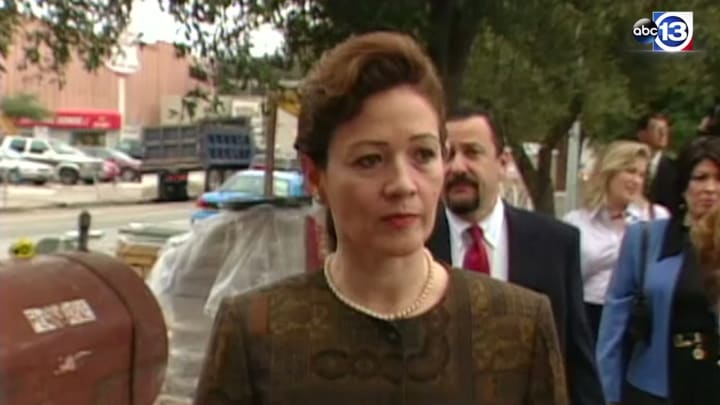
Some murders are planned for months. Others explode in minutes.
The case of Clara Harris sits in that disturbing middle ground — where suspicion turns into surveillance, surveillance turns into confirmation, and confirmation turns into violence. It’s one of the most infamous relationship-driven homicide cases in Texas history, not just because of how the victim died — but because of how public, emotional, and preventable the escalation was.
Her husband, David Harris, wasn’t killed in secret. He wasn’t attacked in a hidden place. He was run over in a hotel parking lot after a confrontation involving his mistress — and the entire collapse of a marriage that once looked polished, wealthy, and successful.
The Perfect-On-Paper Marriage
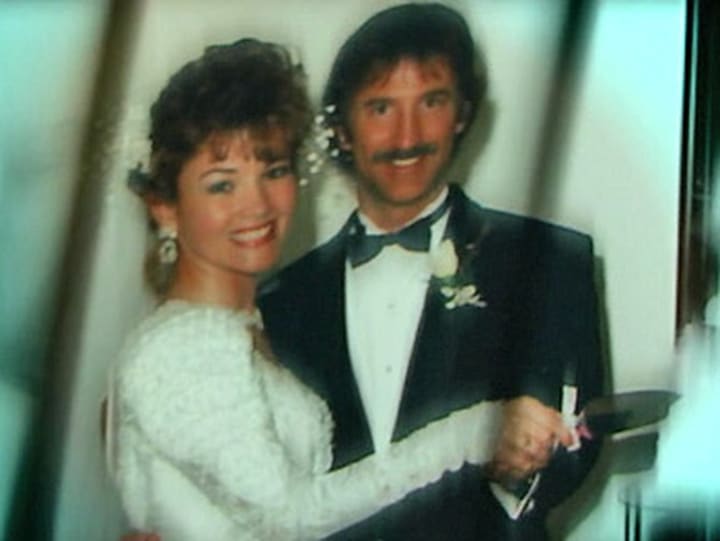
From the outside, Clara and David Harris looked like a power couple. They lived in Texas, moved in professional circles, and enjoyed an upscale lifestyle. Clara was a successful orthodontist — educated, driven, and financially accomplished. David worked in sales and business development and was known as charismatic and socially smooth.
They built a life that projected success:
Expensive cars
High-end social circles
Professional prestige
Financial comfort
A blended family
To friends and colleagues, they appeared established and secure.
But image is not reality — and behind the polished exterior, their marriage was deteriorating.
The Suspicion Begins
Clara Harris began suspecting that David was having an affair. According to later testimony and reporting, his behavior had changed:
Increased time away
Emotional distance
Schedule inconsistencies
Defensive responses
Unexplained absences
Suspicion in marriages is common. Proof is not.
Instead of confronting blindly, Clara did something that would later become a key part of the case narrative:
She hired a private investigator.
That decision changed everything.
The Private Investigator and the Confirmation
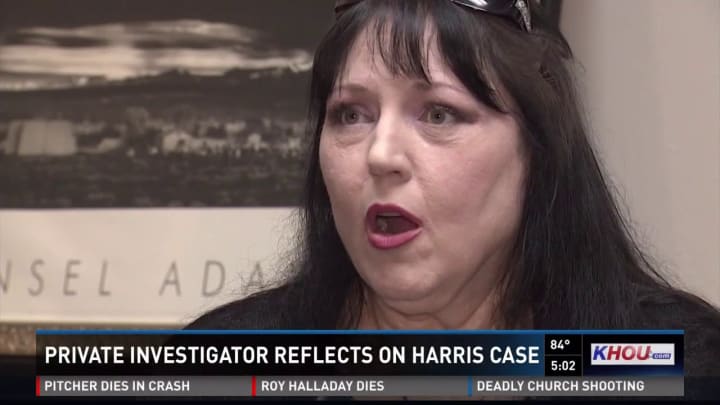
The investigator tracked David’s movements and confirmed what Clara feared — he was involved with another woman. That woman was later identified as a coworker he had grown close to through his job.
Surveillance reportedly documented meetings and encounters. The investigator gathered evidence of the affair — including locations and timing.
Here’s the twist that makes this case especially dramatic for true-crime readers:
Clara didn’t just learn about the affair privately. She learned it through documented surveillance — which removed doubt and replaced it with certainty.
In relationship crimes, that moment — when suspicion becomes confirmed betrayal — is often the emotional tipping point.
For Clara Harris, that point was approaching fast.
The Confrontation Night
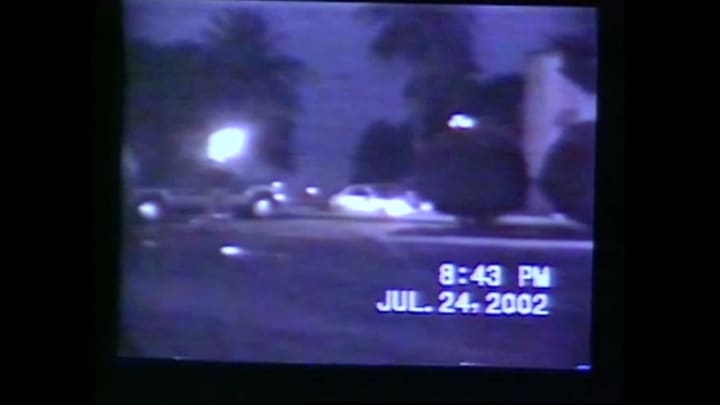
The turning point came in 2002 outside a Houston-area hotel where David Harris was meeting his mistress.
Clara went there.
Accounts differ slightly in sequencing depending on testimony, but the broad outline is consistent:
Clara arrived at or near the hotel
She encountered David and the other woman
A confrontation occurred
Emotions escalated rapidly
What happened next unfolded in a parking lot — in view, in motion, and in seconds.
According to trial evidence, Clara Harris got into her vehicle and struck David Harris with it. Not once — but multiple times. Reports and testimony described repeated impacts as he was run over and dragged.
The violence was not subtle. It was not hidden. It was catastrophic.
Emergency responders were called — but the injuries were fatal.
A crime of passion had just occurred in public.
Immediate Aftermath — No Escape, No Denial

Unlike some domestic murder cases where suspects flee, stage scenes, or deny involvement, this case did not follow that pattern.
Clara Harris did not disappear.
She was identified immediately. Witnesses were present. The scene was active. The chain of events was clear enough that investigators did not struggle to determine who was responsible.
The legal fight would not be about identity.
It would be about intent and state of mind.
The Prosecution Theory — Rage and Retaliation
Prosecutors framed the case as intentional lethal violence driven by jealousy and betrayal. Their core arguments included:
She knew where he was going
She traveled to the location
She confronted him
She used a vehicle as a weapon
The repeated impacts showed intent, not accident
They argued this was not loss of control — it was retaliatory violence.
The number of times he was struck became a central emotional and legal point. Overkill patterns — even with vehicles — often influence how juries interpret intent.
The Defense — Emotional Snap Under Extreme Distress
The defense strategy focused on emotional collapse rather than cold intent.
They argued:
She had just confirmed infidelity
She was emotionally overwhelmed
The confrontation triggered psychological shock
The act happened in a storm of emotion
It was not pre-planned murder
This is a classic crime-of-passion defense structure: acknowledge the act, contest the mental state.
The jury had to decide which story felt more credible.
The Mistress Factor — Why This Case Stayed in Headlines
Cases involving love triangles always draw heavier media attention, and this one was no exception. The presence of the mistress at the confrontation scene added emotional volatility and narrative intensity.
It also reinforced motive.
From a jury psychology standpoint, crimes involving:
romantic betrayal
public confrontation
emotional humiliation
often feel more understandable — but not more excusable.
That tension drives coverage — and verdict debates.
Trial and Conviction
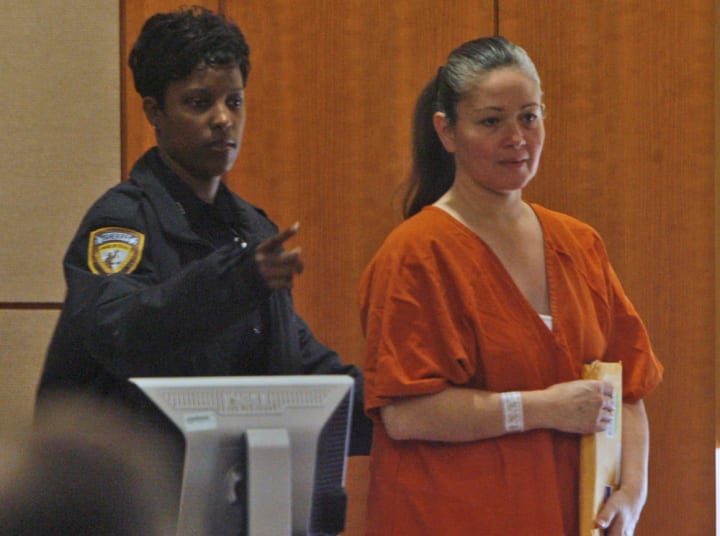
Clara Harris was ultimately convicted of murder. The jury rejected the idea that the killing was purely accidental or legally justified under emotional distress defenses.
She received a lengthy prison sentence.
The conviction signaled that while emotional betrayal may explain behavior, it does not legally justify lethal retaliation.
Why This Case Still Gets Discussed
The Harris case keeps resurfacing in true-crime discussions because it hits several powerful themes at once:
💥 Sudden escalation
No long murder plot — just emotional detonation.
💔 Confirmed betrayal
Private investigator evidence removes uncertainty.
🚗 Unusual murder weapon
Vehicle used repeatedly as lethal force.
👁 Public setting
Not hidden — witnessed and immediate.
⚖ Jury psychology tension
Understandable emotion vs criminal responsibility.
Relationship Murder vs Planned Murder — Why Readers React Differently
True-crime audiences often react differently to:
Planned murder → cold, calculated
Relationship murder → emotionally charged, volatile
Clara Harris falls into the second category — which tends to generate more debate and divided opinions.
People ask:
Did she snap?
Did she choose revenge?
Could it have been stopped?
Did confrontation guarantee tragedy?
These are exactly the questions that drive engagement on Vocal.
The Private Investigator Angle — A True-Crime Lesson
One of the most important — and rarely discussed — elements of this case is the investigator.
Hiring a PI didn’t cause the crime — but it accelerated the emotional timeline by replacing doubt with proof. In relationship violence studies, confirmed betrayal is often a trigger point for confrontation behavior.
Information changes behavior.
Proof changes action.
That’s a recurring pattern across many relationship homicide cases.
Aftermath and Legacy
The case became a staple in:
crime documentaries
relationship-violence analysis
crime-of-passion discussions
legal psychology classrooms
It is frequently referenced alongside other jealousy-driven homicides because it shows how fast emotional collapse can turn into irreversible violence.
Not premeditated for months.
Not random.
Explosive.
About the Creator
Dakota Denise
Every story I publish is real lived, witnessed, survived. True or not I never say which. Think you can spot fact from fiction? Everything’s true.. I write humor, confessions, essays, and lived experiences
Keep reading
More stories from Dakota Denise and writers in Criminal and other communities.
Still Missing: Savannah Guthrie’s Mother Nancy, FBI Offers $50,000 Reward in Urgent Search
Savannah Guthrie, the familiar face of NBC’s Today show, has been thrust into a deeply personal crisis as her 84-year-old mother, Nancy Guthrie, remains missing in Tucson, Arizona. Authorities and family members alike are urging anyone with information to come forward, emphasizing the urgency of the situation given Nancy’s fragile health.
By Story Prism7 days ago in Criminal




Comments
There are no comments for this story
Be the first to respond and start the conversation.