
Heavy Rain, Thunderstorms Expected as Iran Oil Depot Attacks Raise Acid Rain and Air Pollution Concerns
Pakistan Meteorological Department forecasts rain and thunderstorms across northern areas while experts warn that pollution from Iran’s oil depot attacks could affect air quality and raise concerns about acid rain.

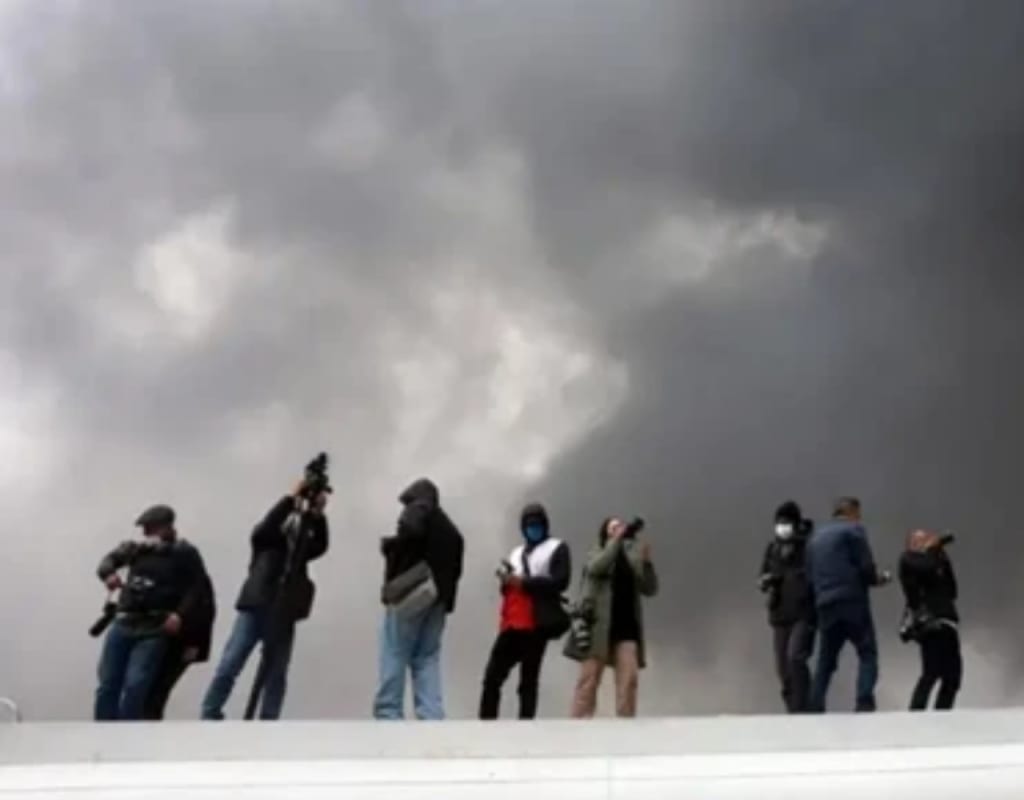
Pakistan’s Meteorological Department says that strong winds and thunderstorms with rain are expected in the upper parts of the country over the next three days.
In a statement issued on Monday, the department said that a western weather system is likely to enter the western parts of the country on Monday evening and will persist until 12 March.
According to the Meteorological Department, under the influence of this weather system, from 9 March to 12 March, districts including Chitral, Dir, Swat, Kohistan, Shangla, Battagram, Buner, Malakand, Mansehra, Abbottabad, Haripur, Gilgit-Baltistan, and Kashmir are expected to experience cloudy weather along with moderate rain accompanied by strong winds and thunderstorms, while heavy rainfall is expected at a few places.
In addition, Khyber, Mohmand, Peshawar, Swabi, Mardan, Charsadda, Nowshera, Bajaur, Bannu, Waziristan, Orakzai, Kurram, Kohat, Hangu, and Mianwali are expected to receive light rain with strong winds and thunderstorms on 10 and 11 March.
The Meteorological Department has also forecast that Islamabad, the Potohar region, Murree, Galiyat, and surrounding areas may experience rain accompanied by strong winds and thunderstorms from 9 to 11 March. During this period, hailstorms are also possible at some places in the upper areas and Islamabad.
Due to this spell of rain, daytime temperatures in the upper parts of the country are expected to drop by 3 to 4 degrees Celsius. Meanwhile, landslides may also occur at some places in upper Khyber Pakhtunkhwa, Gilgit-Baltistan, and Pakistan-administered Kashmir.
While the forecast of rain after a long dry spell is being seen as positive in Pakistan, the Meteorological Department has warned in its advisory that because of the ongoing situation in Iran, pollution particles may spread into Pakistan through westerly winds, which could worsen air quality in the western parts of the country.
Acid rain and polluted air after attacks on oil depots in Iran
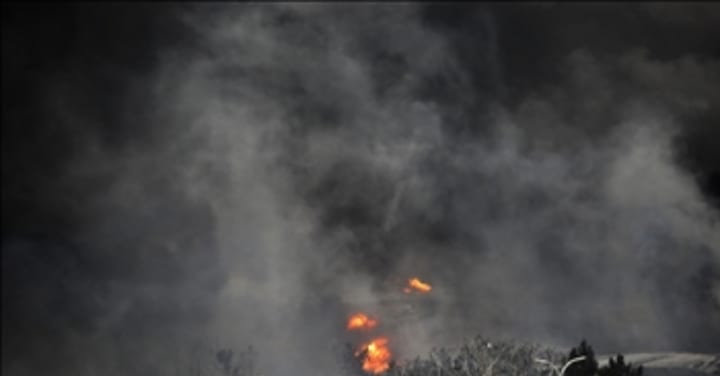
On the night between Saturday and Sunday, Israel targeted several oil depots and refineries in Iran.
Following these attacks, large parts of Tehran were covered with smoke.
The Environmental Protection Organization advised Iranian citizens to avoid unnecessary outdoor activities and stay indoors as much as possible due to increasing pollution in Tehran.
Meanwhile, the Iranian Red Crescent warned about the possibility of acid rain resulting from the fires.
Images posted on Sunday at 9 a.m. local time showed the sky over Tehran appearing black. It was claimed that rain had occurred in some areas.
Another Iranian user wrote that black particles also fell to the ground along with the rain.
Later, Iranian Foreign Ministry spokesperson Esmail Baghaei said that the Israeli attacks on oil depots and refineries were releasing dangerous and toxic substances into the atmosphere, which are putting many lives at risk.
This raises the question: Can winds coming from Iran also harm Pakistan?
What is black or acidic rain and how dangerous is it?
Yasir Darya, Director of the Climate Action Center in Karachi, says that a large quantity of oil has burned due to the bombing in Iran, and black smoke can be seen rising from it.
He explained that when oil or petrol burns, it releases sulfur dioxide and nitrogen dioxide along with other compounds.
“When these substances combine with water, they turn into acids — sulfuric acid and nitric acid and these acids can burn living things, whether humans, animals, or plants.”
Along with the immediate dangers of air strikes in Iran, serious health concerns are now emerging for citizens, because pollution is being released from the destroyed oil infrastructure.
As a result, oil and heavy metals will mix into the surrounding soil and water, creating long-term environmental and health risks.
Can these pollution particles reach Pakistan?
In light of the situation in Iran, the Meteorological Department has expressed concern about air quality in Pakistan.
According to the department’s advisory, westerly winds could carry pollution particles present in Iran’s atmosphere into Pakistan, which could significantly affect air quality, especially in the western parts of the country.
When Yasir was asked whether pollution particles from Iran could reach Pakistan, he said that according to the current weather map, winds from the sea are entering Sindh and Balochistan and moving northward.
He added that after the bombing in Tehran, winds from that direction are currently not moving toward Pakistan.
Muhammad Irfan Virk, Director at the Meteorological Department, said that pollution generated in Iran could affect western parts of Pakistan.
However, he added that Pakistan will not face the same kind of conditions as Iran, though some level of pollution may reach the western regions.
He further said that rain recently occurred in Chitral and Dir and it was completely normal rain.
About the Creator
Keep reading
More stories from Real content and writers in Chapters and other communities.
Valentine's Dates Over the Years
Colin grinned as Brooklyn slipped into the living room. “Is it all set?” he asked. The twenty-one year old grinned. She was in her last year of college and Colin knew that Lincoln was proud of her. Although she had been away at college, she’d eagerly helped Colin plan his surprise for Lincoln. “I’m so glad you’re finally doing this,” she said.
By Reb Kreyling27 days ago in Chapters




Comments
There are no comments for this story
Be the first to respond and start the conversation.