
Smartphones and the Young Mind: A Double-Edged Sword
Between Empowerment and Addiction: The Smartphone’s Influence on Young Minds

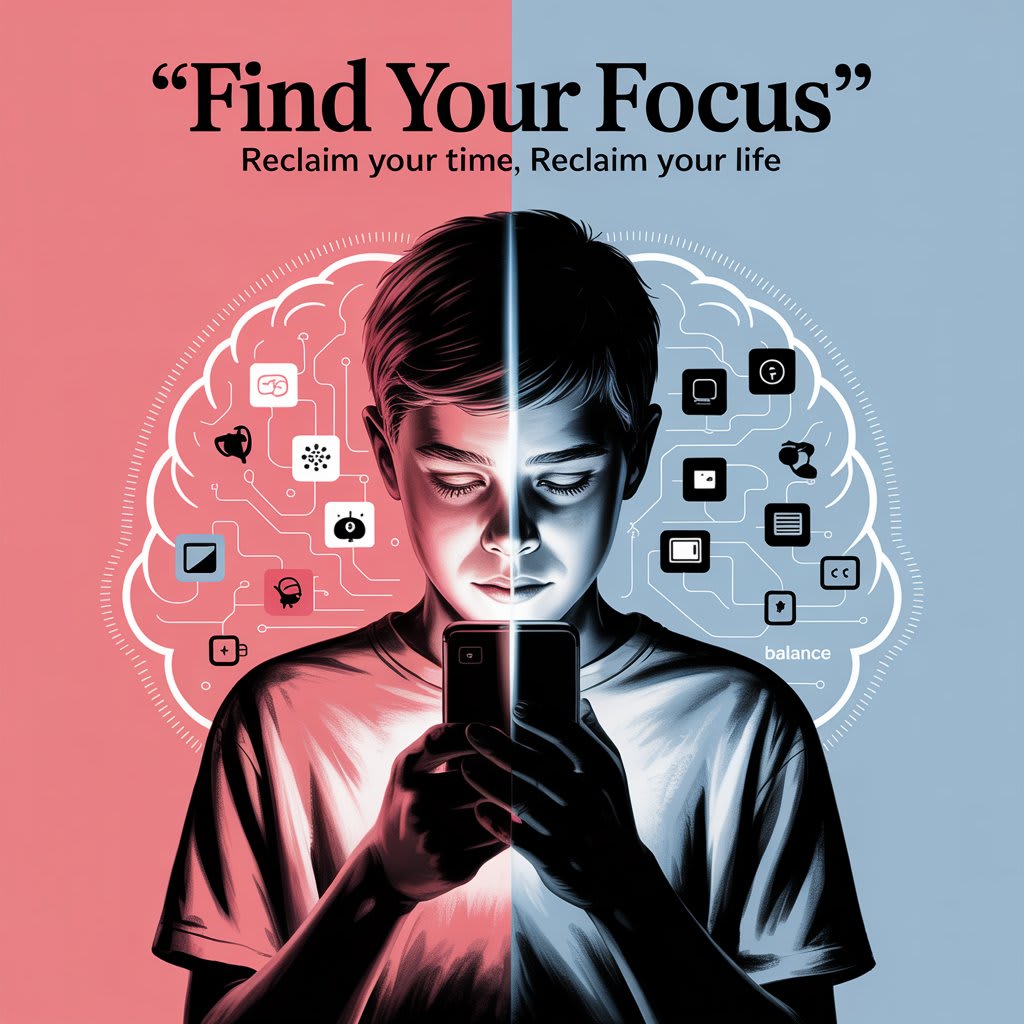
In the 21st century, smartphones have become an integral part of daily life, especially among the younger generation. These devices are no longer just tools for communication; they have transformed into all-in-one hubs for information, entertainment, social interaction, and learning. However, while smartphones offer remarkable advantages, they also pose significant challenges to the mental, emotional, and social well-being of young people. This duality—where smartphones both empower and endanger—presents a critical area of discussion for educators, parents, and society at large.
Empowerment Through Technology
There is no denying the positive impact smartphones have had on the younger generation. With internet access at their fingertips, young people can explore vast libraries of information, watch educational videos, enroll in online courses, and stay informed about world events in real-time. For many, smartphones are a gateway to self-education, creativity, and personal growth.
Moreover, smartphones have given a voice to youth who previously lacked platforms to express themselves. Through social media, blogs, and content creation apps, young people can share their perspectives, showcase talents, and build communities based on shared interests. Many young entrepreneurs have even launched businesses or social campaigns directly from their mobile devices.
In terms of social connectivity, smartphones allow users to maintain long-distance relationships with family and friends, engage in collaborative learning, and stay in touch with support networks. During times of isolation, such as during the COVID-19 pandemic, smartphones were vital for maintaining human connection.
The Growing Shadow of Addiction.....
Despite these benefits, the darker side of smartphone use among young people cannot be overlooked. One of the most pressing concerns is digital addiction—an overreliance on phones that disrupts sleep, concentration, physical activity, and real-world relationships. Many teens report feeling anxious or irritable when separated from their devices, a sign of psychological dependency.
Social media platforms, in particular, are engineered to capture and hold attention through infinite scrolling, notification alerts, and algorithm-driven content. This design can lead to compulsive use, often at the expense of mental health. Studies have shown that excessive time spent on social media can contribute to feelings of inadequacy, loneliness, and depression, especially when young users compare themselves to curated and filtered images of others’ lives.
Smartphones can also hinder cognitive development. Constant distractions from notifications can reduce the ability to focus and retain information. Instead of deep, critical thinking, many young users become accustomed to skimming and multitasking, which may impair long-term learning and problem-solving abilities.
Balancing the Blade.....
The metaphor of a "double-edged sword" is fitting because smartphones are neither inherently good nor bad. Their impact depends largely on how they are used. The challenge, therefore, lies in promoting healthy usage habits while minimizing risks.
Parents, educators, and policymakers have important roles to play. Digital literacy should be a core part of school curricula, teaching young people not just how to use technology, but how to manage their time, protect their mental health, and think critically about online content. Screen time limits, tech-free zones at home, and mindful usage practices can also help establish boundaries.
Tech companies, too, bear responsibility. Designing platforms with ethical user engagement in mind—such as offering usage reminders, screen time dashboards, and mental health resources—can make a difference.
Conclusion.....
Smartphones are powerful tools that reflect the best and worst of modern technology. For the young mind, they offer unprecedented opportunities for learning, connection, and creativity. Yet, without conscious use and guidance, they can also lead to distraction, dependency, and mental strain. As society continues to evolve alongside digital innovation, it is crucial to ensure that the next generation can harness the empowering potential of smartphones—without falling victim to their addictive pitfalls.
About the Creator
Book Review: Atmosphere by Taylor Jenkins Reid
I flipped the book over in my hands in the centre of the small airport book shop. Although I had heard promising reviews of Atmosphere by Taylor Jenkins Reid, I hesitated. The synopsis didn’t compel me - I wasn’t much of a space girly. In high school it made me cringe when my peers would talk about the stars.
By sleepy drafts17 days ago in BookClub
Unofficial Challenge: What would you do if you were rich?
I love the kind of work I get to do in my career, but as I job search and browse apartments again due to another understaffed and unsustainable work environment that I did not intend to get into, my daydreams of better days consistently lean into the same question: What would I do if I didn't have to worry about my basic needs being met?
By Kay Husnick2 days ago in Writers




Comments
There are no comments for this story
Be the first to respond and start the conversation.