
Rich Dad Poor Dad: The Life-Changing Lessons That Made Me Rethink Money, Success, and What Schools Never Teach
Why Rich Dad Poor Dad is more than a personal finance book—it’s a guide to mastering your mindset, wealth, and future

When I first picked up Rich Dad Poor Dad, I expected a typical self-help finance book—lots of advice on budgeting, saving, and avoiding debt. What I didn’t anticipate was how profoundly it would change my perspective on money, work, and the decisions that define financial freedom. Robert Kiyosaki’s lessons are deceptively simple, but they strike at the heart of why so many people struggle financially, despite working hard and playing by the rules.
The book is structured around Kiyosaki’s experiences growing up with two father figures: his biological father, the “Poor Dad,” who valued job security and traditional education, and the father of his best friend, the “Rich Dad,” who taught him the principles of wealth, entrepreneurship, and investing. Through these contrasting approaches, Kiyosaki exposes the fundamental differences between a mindset focused on financial survival and one geared toward financial growth.
Robert T. Kiyosaki challenges conventional wisdom at every turn. He argues that formal education, while valuable, often fails to teach the most crucial life skill: financial literacy. Schools prepare students to be employees, not investors or business owners, leaving them unprepared to manage money, build assets, or escape the cycle of living paycheck to paycheck. This perspective was revolutionary to me because it reframed how I viewed my own career and money decisions.
One of the most powerful lessons in Rich Dad Poor Dad is the difference between assets and liabilities. Kiyosaki emphasizes that the wealthy focus on acquiring assets—things that generate income—while the poor and middle class accumulate liabilities, often mistaking them for assets. This simple but profound distinction forces readers to rethink spending habits, lifestyle choices, and the long-term consequences of financial decisions. For instance, a house may feel like an asset, but if it drains cash through maintenance, mortgage, and taxes without generating income, it is effectively a liability.
The book also stresses the importance of taking calculated risks. The “Rich Dad” philosophy encourages entrepreneurship, investing in businesses, and exploring opportunities outside the traditional employment model. This does not mean reckless behavior; rather, it is about learning to make informed financial decisions, understanding the risks, and taking action rather than waiting for luck. Kiyosaki’s anecdotes and examples make these lessons concrete, showing that wealth is often created by those who act with knowledge and courage.
Another theme that resonated deeply is the power of mindset. Kiyosaki repeatedly contrasts the mental approaches of his two dads. The Poor Dad focuses on security, avoiding failure, and following rules. The Rich Dad focuses on opportunity, creativity, and learning from mistakes. This mindset shift is often the difference between stagnation and financial growth. It is a reminder that wealth is as much about thinking strategically as it is about earning or saving.
Rich Dad Poor Dad also highlights the value of financial education and self-initiative. Kiyosaki encourages readers to study accounting, investing, market trends, and business operations—not just for academic purposes, but to understand how money works in the real world. Knowledge, he argues, is the most powerful asset one can possess. Developing financial intelligence enables smarter decisions, greater control over one’s life, and the ability to create lasting wealth.
The book is more than theory; it is a call to action. Kiyosaki shares stories from his youth and early career, showing how small steps, calculated risks, and persistent learning can lead to significant financial breakthroughs. He also provides practical advice for thinking like an investor, spotting opportunities, and building passive income streams. These lessons are actionable and relatable, even for readers with little experience in finance.
Rich Dad Poor Dad goes beyond money. It is about freedom—the freedom to make choices, live intentionally, and not be enslaved by debt or societal expectations. The book challenges the cultural narrative that hard work and a steady paycheck automatically lead to success. Instead, it advocates for strategic thinking, continuous learning, and taking control of one’s financial destiny.
By the end, I realized that this book isn’t just about earning more money; it’s about changing how you think, how you approach life, and how you define success. It encourages readers to break free from conventional constraints, challenge assumptions, and take bold steps toward independence. It teaches that wealth is not just measured in dollars, but in options, freedom, and the ability to live life on your own terms.
Rich Dad Poor Dad is a transformative read. It provides lessons that apply to anyone—students, professionals, entrepreneurs, and even those who have already achieved financial success. Once you internalize its principles, you cannot view money, work, or opportunity the same way. It’s a book that motivates action, inspires strategic thinking, and, above all, changes the way you think about wealth and life itself.
If you want a roadmap to financial freedom, a mindset shift that empowers rather than restricts, and practical lessons that can be applied immediately, this book is indispensable. Reading Rich Dad Poor Dad is not just an investment in knowledge—it is an investment in your future.
About the Creator
Keep reading
More stories from Lukáš Hrdlička and writers in BookClub and other communities.
Ready Player One: The Thrilling Adventure That Made Me Rethink Reality, Nostalgia, and the Future of Gaming
When I first picked up Ready Player One, I thought I was about to dive into a fun, nostalgic adventure loaded with video game references. What I didn’t anticipate was how completely immersive and thought-provoking the story would be. Ernest Cline created not only a thrilling adventure but also a cautionary tale about the ways we interact with technology, escapism, and the meaning of real connection in a virtual world.
By Lukáš Hrdličkaabout 9 hours ago in BookClub
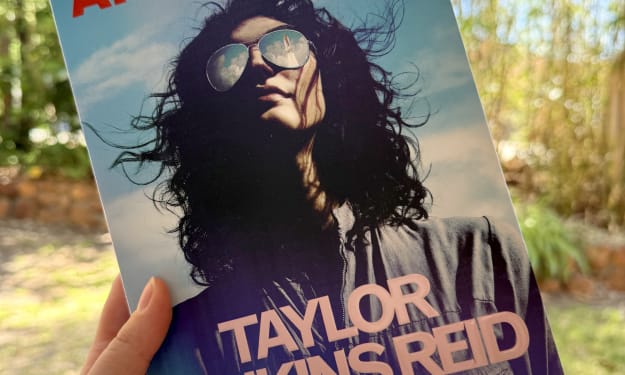
Book Review: Atmosphere by Taylor Jenkins Reid
I flipped the book over in my hands in the centre of the small airport book shop. Although I had heard promising reviews of Atmosphere by Taylor Jenkins Reid, I hesitated. The synopsis didn’t compel me - I wasn’t much of a space girly. In high school it made me cringe when my peers would talk about the stars.
By sleepy drafts26 days ago in BookClub
Rachel Reviews: Lakefront Wolves by Joseph Deegan
Meet Finn. He's an 18 year old kid who has potential. He's bright with great school scores and he's also an athlete, a footballer of some prowess. He has it all going for him, it would seem, and yet, he's determined to send what could be a well-planned, stable existence firmly off the rails. He drinks, he smokes, he takes drugs, he has violent tendencies and he's in danger of losing not only his mind but all that he holds dear.
By Rachel Deemingabout 6 hours ago in BookClub
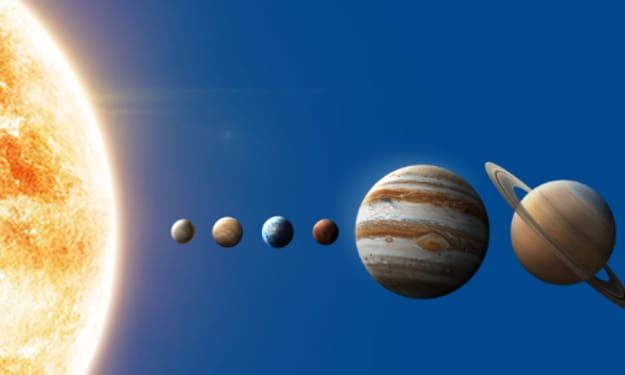
A Planetary Alignment will coincide with Mercury Retrograde
Double phenomena in the heavens Some people say in jest that the planets have aligned in their favor when life works the way they desire. Were you aware that there are seasons when things do line up in the heavens? There will be a planetary alignment AKA a planet parade, on February 28, 2026.
By Cheryl E Preston4 days ago in FYI

Comments
There are no comments for this story
Be the first to respond and start the conversation.