
Haruki Murakami: Isolation and Modern Surrealism
Haruki Murakami: Isolation and Modern Surrealism

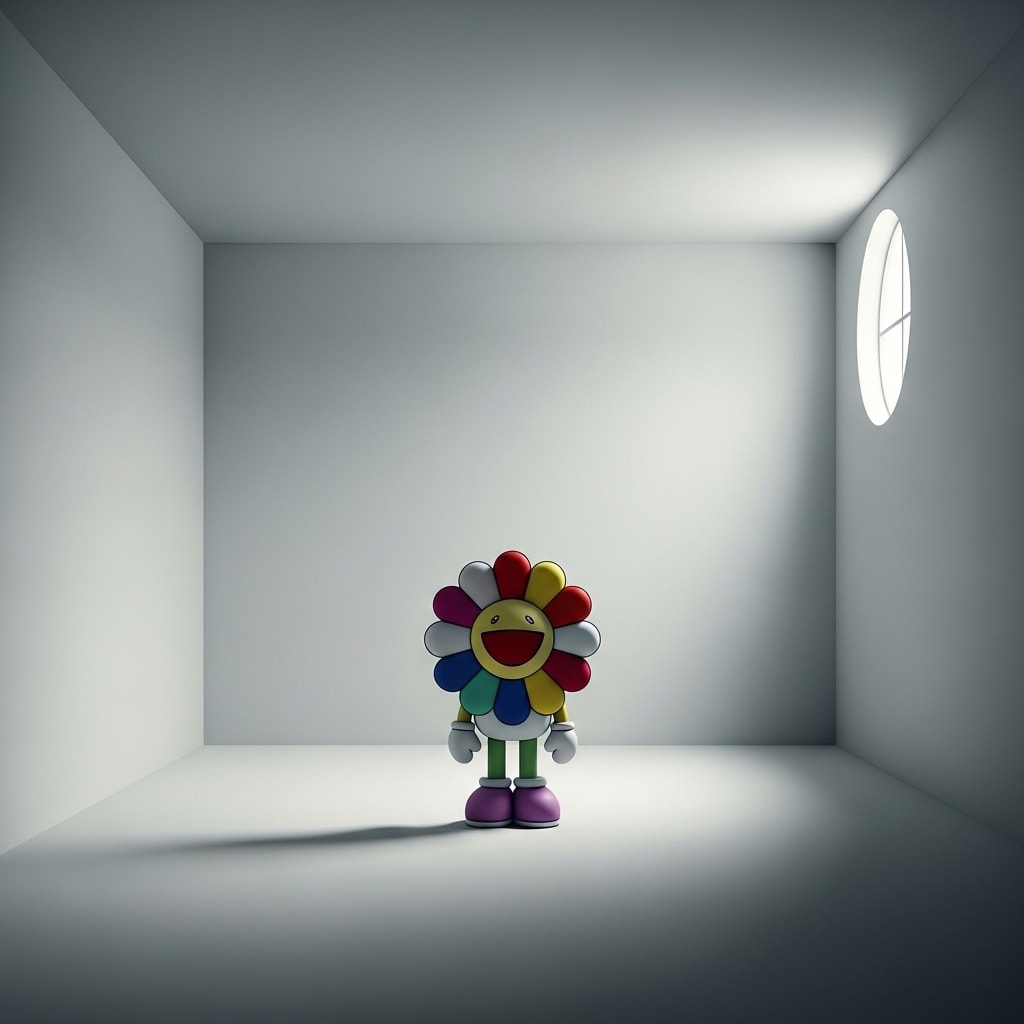
Haruki Murakami writes like he’s inviting you into a quiet room inside your own mind—a place where loneliness hums softly, time feels slightly off, and reality has a habit of slipping sideways. His stories are famous for their dreamlike logic: wells that lead to other selves, cats that carry messages, parallel worlds that exist just out of sight. But beneath the surreal surfaces is something deeply human. Murakami’s real subject isn’t weirdness for its own sake—it’s isolation in the modern world, and the strange inner landscapes people build to survive it.
Murakami’s protagonists are often solitary men living modest, routine lives. They cook simple meals, listen to old records, walk city streets at night, and drift through relationships without fully attaching. At first, their lives seem calm—almost numb. Then something small and inexplicable happens: a woman disappears, a voice comes through a strange channel, an ordinary object becomes charged with meaning. The surreal intrudes not with spectacle, but with a whisper. This is Murakami’s signature move: he treats the unreal as if it were normal, and the normal as if it were fragile. The result is a mood where anything might happen, yet nothing feels forced.
Isolation, in Murakami’s world, isn’t just physical loneliness. It’s emotional disconnection in a crowded society. His characters live in modern cities filled with people, technology, and noise, yet they move through these spaces as if wrapped in glass. They struggle to articulate what they’re missing, only that something essential feels absent. Murakami captures the quiet alienation of contemporary life—the feeling of being constantly stimulated yet strangely untouched. His surreal elements externalize that inner emptiness. The strange worlds his characters enter often feel like extensions of their own inner voids: echo chambers of desire, memory, and unprocessed grief.
Music plays a huge role in Murakami’s atmosphere. Jazz, classical records, and Western pop drift through his scenes like emotional weather. These references aren’t decoration; they’re emotional anchors. His characters use music the way some people use prayer or routine—to create continuity in a fragmented world. Food, too, becomes ritual. Cooking is one of the few moments where Murakami’s loners feel grounded in their bodies. These ordinary acts are small resistances against dissociation. In a reality that feels unstable, routine becomes a way of saying, “I’m still here.”
Murakami’s surrealism is gentle but unsettling. He doesn’t shock you with grotesque imagery as much as he disorients you with quiet impossibilities. A well might open into a deeper self. A shadow might take on a life of its own. A parallel world might sit beside the ordinary one, accessible only through subtle shifts in attention. These elements mirror how trauma and longing work: they don’t announce themselves loudly; they bend your perception from the inside. Murakami suggests that the boundaries between inner and outer worlds are thinner than we think. What we repress doesn’t disappear—it finds symbolic ways to return.
Another defining trait of Murakami’s writing is emotional restraint. Big feelings are present, but rarely dramatized. Grief, loss, and desire move through his stories like underground rivers. This restraint makes the moments of connection more powerful. When two isolated characters briefly find each other—through conversation, shared silence, or an almost-mystical bond—it feels precious and temporary, like sunlight breaking through clouds. Murakami doesn’t promise lasting resolution. His connections are often fleeting, but they matter precisely because they interrupt solitude, even if only for a moment.
Critics sometimes argue that Murakami’s work is too passive or emotionally distant. But that distance is part of his diagnosis of modern life. Many people experience themselves as observers of their own existence, scrolling through days without fully inhabiting them. Murakami gives language to that half-present state. His characters don’t rage against the void; they wander it. That wandering can feel frustrating, but it also feels honest. Not every existential crisis looks like a breakdown. Some look like quiet drift.
Why does Murakami resonate globally? Because isolation is one of the defining conditions of the modern world. Technology connects us instantly, yet many people feel more alone than ever. Murakami’s surrealism gives shape to that paradox. His strange worlds feel like metaphors for the invisible psychological spaces people inhabit when they’re disconnected from themselves and others. Reading him can feel like dreaming with your eyes open—a way of recognizing your own quiet loneliness in someone else’s soft-spoken strangeness.
In the end, Murakami doesn’t offer neat solutions to isolation. He offers recognition. His stories say: this quiet emptiness you feel has a texture, a mood, a strange poetry. You’re not alone in feeling alone. And sometimes, the first step out of isolation isn’t certainty—it’s the courage to follow the whisper of something strange and see where it leads.
About the Creator
Fred Bradford
Philosophy, for me, is not just an intellectual pursuit but a way to continuously grow, question, and connect with others on a deeper level. By reflecting on ideas we challenge how we see the world and our place in it.
Keep reading
More stories from Fred Bradford and writers in BookClub and other communities.
Stephen King: The Darkness We Pretend Not to See
Stephen King has spent a lifetime teaching readers that the scariest monsters don’t always live in caves or under beds. Sometimes they live on Main Street. Sometimes they wear friendly faces. Sometimes they are the quiet, ordinary parts of ourselves that we’d rather not look at too closely. King’s genius isn’t just in inventing horror—it’s in revealing how fear seeps into everyday life, especially in the small towns we like to imagine as safe.
By Fred Bradforda day ago in BookClub
Self Help: Grifters' Gospel
On Self-Help, Snake Oil, and the Illusion of Change Psychology professionals and students can be imagined on two opposite sides of a line called self-help books: likely a larger group opposes pop-science and step-by-step manuals filled with talk of success, journaling, and not giving a f**k; others love them, but they aren’t many.
By Avocado Nunzella BSc (Psych) -- M.A.P 18 days ago in BookClub
7 Books With Huge Plot Twists
There’s nothing quite like the shock of a perfectly executed plot twist. It’s that electric moment when the ground shifts beneath our feet, when everything we thought we understood suddenly rearranges itself into a new, startling truth. A truly powerful twist doesn’t just surprise us—it redefines the entire narrative, forcing us to reexamine every page that came before.
By Diana Meresc4 days ago in BookClub


Comments
There are no comments for this story
Be the first to respond and start the conversation.