
Skincare Routine
How to Build a Skincare Routine for Your Skin Type (Updated Guide)

A good skincare routine isn’t one-size-fits-all — it should be built around your unique skin type, concerns, and goals. With the skincare space constantly evolving, new ingredients and science-backed routines are reshaping how we approach skin health.
Whether you’re a beginner or looking to refine your current regimen, this guide breaks down everything you need to know in today’s skincare stories and trends.
1. Know Your Skin Type
Before anything else, identify your skin type. This determines what products you should use and how often.
Common Skin Types
- Normal: Balanced — not too oily or dry. Generally clear with minimal sensitivity.
- Dry: Feels tight, flaky, or rough. May have visible dry patches.
Oily: Noticeable shine, especially in the T-zone (forehead, nose, chin). Prone to breakouts.
- Combination: Mix of oily (usually T-zone) and dry/normal areas.
- Sensitive: Easily irritated, red, itchy, or reactive to products.
Tip: To confirm your skin type, wash your face with a gentle cleanser, wait an hour, and observe how your skin feels and looks without any products.
2. Understand the Core Steps of Any Skincare Routine
No matter your skin type, a basic routine includes three essential steps:
1. Cleanse
Removes dirt, oil, makeup, and pollution.
2. Treat
Target specific concerns with serums or actives.
3. Moisturize
Locks in hydration and strengthens the skin barrier.
4. Protect (AM Only)
Sunscreen is non-negotiable.
3. Building Your Routine by Skin Type
Normal Skin
You’re lucky — your skin tolerates most formulas, but consistency matters.
Morning
- Gentle cleanser
- Hydrating toner (optional)
- Vitamin C serum (brightening + antioxidant protection)
- Lightweight moisturizer
- Broad-spectrum SPF 30+
Evening
- Cleanser
- Hydrating serum or antioxidant
- Moisturizer
Why it works
Normal skin thrives on balanced, gentle maintenance with antioxidant support to protect from aging and environmental stress.
Dry Skin
Dry skin needs deep hydration and barrier support.
Morning
- Cream or oil-based cleanser
- Hydrating toner with humectants (e.g., glycerin, hyaluronic acid)
- Moisturizing serum (e.g., hyaluronic acid + ceramides)
- Rich, nourishing moisturizer
- SPF 30+
Evening
- Double cleanse only if you wore makeup/ SPF — otherwise gentle cleanse
- Hydrating essence
- Night cream with ceramides or peptides
- Facial oil (optional)
Key Ingredients
- Hyaluronic Acid — draws moisture into the skin
- Ceramides — strengthens the skin barrier
- Glycerin — locks in hydration
Dry skin benefits from creamy textures and occlusive layers.
Oily Skin
The goal is to control oil without stripping your skin.
Morning
- Gel or foaming cleanser
- Lightweight toner (with niacinamide)
- Oil-control serum (niacinamide or BHA)
- Oil-free moisturizer
- SPF 30+ gel or fluid
Evening
- Cleanser
- BHA (salicylic acid) 2–3 times a week if oily + acne-prone
- Lightweight moisturizer
Key Ingredients
- Niacinamide — helps regulate oil production
- Salicylic acid (BHA) — clears pores & prevents breakouts
- Zinc oxide — controls shine (especially in sunscreens)
Tip: Oily skin also needs moisture — skipping it can trigger more oil production.
Combination Skin
Balance is key. T-zone needs oil control; cheeks need hydration.
Morning
- Gentle cleanser
- Balancing toner
- Lightweight serum (niacinamide or antioxidant)
- Medium-weight moisturizer
- SPF 30+
Evening
- Cleanser
- Chemical exfoliant (AHA on dry areas, BHA on oily zones — 2–3 times a week)
- Moisturizer
- Mixing Products
- Use different products for different zones, or choose formulas labeled for combination skin.
Sensitive Skin
Less is more. Avoid potential irritants like strong fragrances.
Morning
- Very gentle cleanser (fragrance-free)
- Soothing toner with calming botanicals
- Anti-irritant serum (e.g., centella asiatica)
- Minimalist moisturizer
- Mineral SPF (zinc/ titanium dioxide)
Evening
- Gentle cleanser
- Barrier-repair serum (niacinamide or peptides)
- Moisturizer
Avoid
- Harsh exfoliants
- High % retinoids without tolerance buildup
- Heavy fragrance or alcohol
4. Active Ingredients: Use Smartly
Knowing what actives do helps you choose better.
Ingredient Best for Benefits
Vitamin C All skin types (especially dull/aging skin) Brightens + antioxidant protection
Retinoids Aging, acne Boosts collagen, cell turnover
AHAs (glycolic/lactic) Dry or dull skin Gentle exfoliation
BHAs (salicylic acid) Oily, acne-prone Deep pore exfoliation
Niacinamide Oily, sensitive, combination Reduces redness/oil
How to introduce actives
– Start every other day
– Patch test before full use
– Combine carefully (e.g., avoid retinoid + strong AHA/BHA on same night)
5. Sunscreen: Your Most Important Step
No matter your skin type, SPF is essential. UV damage accelerates aging, dark spots, and inflammation.
- Use broad-spectrum SPF 30+ every day
- Reapply every 2–3 hours if in sun
- Mineral SPF if sensitive
6. Routine Tips & Mistakes to Avoid
Dos
- Patch test new products
- Layer light to heavy (thin → thick)
- Adjust for seasons (lighter in summer, richer in winter)
- Be patient (4–6 weeks for results)
Don’ts
- Mix too many actives at once
- Over-exfoliate (1–3x weekly max)
- Skip SPF
- Ignore your neck and chest
7. Final Thoughts
Building a skincare routine is personal and evolves over time. Start with the basics, listen to your skin, and introduce actives thoughtfully. With the right approach, your routine will not only support a clear complexion but also strengthen your skin’s resilience and glow.
About the Creator
Stories Today
Stories Today is a place where real people share real stories, and that’s it. We believe every person has an incredible story to tell.
Visit us:https://storiestoday.co.uk/
Keep reading
More stories from Stories Today and writers in Blush and other communities.
Hormonal Acne
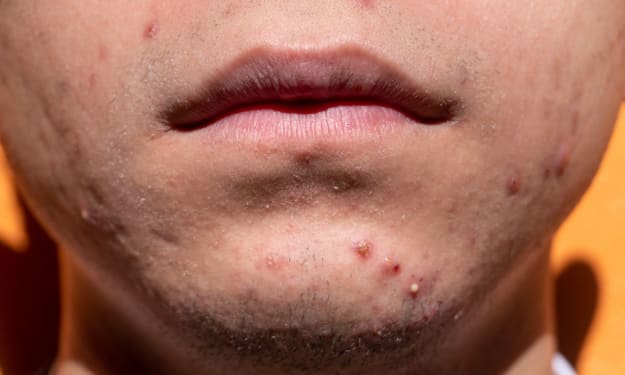
Hormonal acne is a type of breakouts driven primarily by fluctuations in hormones — especially androgens like testosterone — which increase oil (sebum) production in the skin. While many people associate acne with teenage years, hormonal acne often affects adults, particularly women, between their late teens and 50s. Unlike typical pimples, this acne tends to appear in clusters around the jawline, chin, and lower face, and can be deeper, more painful, and slower to heal than other types of acne.
By Stories Today2 days ago in Blush
Finding Relief from Chronic Pelvic Pain through Mind Body Science
Sarah sat at her desk and felt the familiar burning sensation. It started in her lower abdomen and radiated through her hips. This pain had become her constant companion over the last three years. She had visited dozens of specialists and tried countless medications. Nothing seemed to provide lasting relief. Her world began to shrink as she avoided social gatherings and exercise. The frustration was overwhelming because nobody could give her a clear answer.
By Elevate You Studioa day ago in Blush
The Afternoon I Learned to Sit Still
The first time I walked into a beauty salon in Doha, I wasn’t looking for change. I wasn’t preparing for an event or trying to reinvent myself. I was simply tired — the kind of tired that doesn’t come from lack of sleep, but from constantly moving through life without pausing long enough to notice how you feel.
By Harley Morris4 days ago in Blush


Comments
There are no comments for this story
Be the first to respond and start the conversation.