
Japan Retail Market: Size, Trends, and Growth Outlook
How Consumer Behavior, Technology, and Urban Lifestyles Are Reshaping Retail in Japan
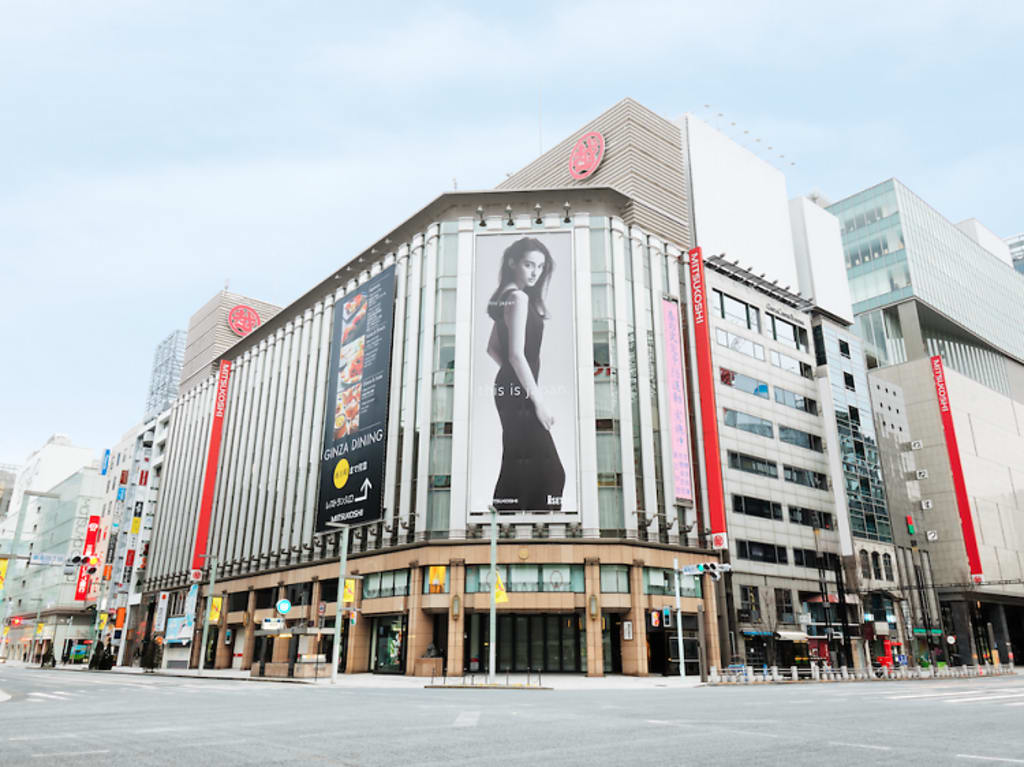
Market Overview
Retail has long been one of the most important foundations of Japan’s economy. Beyond simply selling goods, the retail sector reflects how people live, work, and spend in their daily lives. From neighborhood grocery stores and long-established department stores to convenience chains and fast-growing digital platforms, Japan’s retail ecosystem has consistently adapted to social and technological change.
In 2025, the value of Japan’s retail market was estimated at USD 1,802.8 billion, highlighting the scale of consumer activity across the country. Physical retail continues to play a vital role, particularly for everyday necessities, food, and convenience purchases. At the same time, online shopping and mobile commerce are becoming increasingly embedded in consumer routines, reshaping how products are discovered, evaluated, and purchased.
Looking toward the future, the retail market is expected to grow steadily and reach approximately USD 2,022.7 billion by 2034. This gradual expansion is supported by stable economic conditions, rising digital engagement, and demographic shifts. Younger consumers, in particular, are influencing retail strategies through their preference for convenience, personalization, and digital-first experiences. The result is a retail environment where physical and digital channels coexist rather than compete.
Innovation as a Catalyst for Retail Transformation
- Blending Physical and Digital Shopping
One of the most noticeable changes in Japan’s retail sector is the rise of omnichannel shopping. Consumers may browse products online, compare prices on their smartphones, and still choose to visit a store before making a purchase. Others may shop in-store and later reorder the same items online. Retailers are responding by creating smoother connections between physical locations and digital platforms, offering services such as in-store pickup, mobile ordering, and flexible delivery options.
- Personalization Through Data and Technology
Retailers are increasingly using data to better understand customer behavior. Loyalty programs, purchase histories, and digital engagement help businesses tailor promotions and product recommendations. This personalized approach not only improves the shopping experience but also strengthens long-term customer relationships in an increasingly competitive market.
- Faster and More Convenient Transactions
Automation is playing a growing role in retail operations. Self-checkout machines, cashless payments, and contactless technologies are now common across urban retail spaces. These tools reduce waiting times and align well with consumer expectations for speed and efficiency, especially in busy city environments.
Key Trends Shaping Japan’s Retail Industry
- Continued Growth of E-Commerce
Online shopping has become a regular part of life for many Japanese consumers. Improvements in delivery reliability, secure payment systems, and easy returns have helped build trust in digital retail platforms. Mobile shopping, in particular, has expanded rapidly as consumers rely on smartphones for both daily purchases and larger shopping decisions.
- Shifting Consumer Values
Japanese shoppers are showing increased interest in quality, sustainability, and meaningful experiences. Retailers are responding by offering eco-conscious products, emphasizing responsible sourcing, and creating store environments that encourage exploration rather than simple transactions. Experiential retail, including themed stores and interactive displays, is becoming more common.
- Urban Lifestyles and Retail Convenience
Cities such as Tokyo, Osaka, and Nagoya strongly influence retail trends due to high population density and fast-paced lifestyles. Convenience stores, compact urban outlets, and specialty shops cater to consumers who value speed, accessibility, and curated product selections. Social media and online communities also play a growing role in shaping purchasing decisions and brand discovery.
Japan Retail Market Segmentation
The retail market in Japan covers a wide range of products and channels, reflecting diverse consumer needs:
By Product Category:
Food and beverages, personal and household care, apparel and accessories, furniture and hobby products, electronics, and other consumer goods.
By Distribution Channel:
Supermarkets and hypermarkets, convenience stores, specialty retailers, online platforms, and mixed-format retail models.
By Region:
Kanto, Kansai/Kinki, Chubu, Kyushu–Okinawa, Tohoku, Chugoku, Hokkaido, and Shikoku.
This diversity allows retailers to serve both local preferences and national consumer trends effectively.
Competitive Landscape
Japan’s retail sector includes large domestic chains, international brands, niche specialty retailers, and digital marketplace operators. Competition is shaped by pricing, customer service, product variety, and digital engagement. Businesses that successfully integrate in-store experiences with strong online capabilities tend to perform better in attracting and retaining customers.
Partnerships with logistics providers, payment platforms, and technology firms also influence competitiveness by improving operational efficiency and customer convenience.
Market Outlook
Japan’s retail market is expected to continue evolving as technology, consumer behavior, and urban lifestyles intersect. While online retail will remain a key growth driver, physical stores are likely to retain importance by offering experiences, local relevance, and personalized service. Advances in analytics, logistics, and digital payments will further enhance retail efficiency and customer satisfaction.
As consumer expectations continue to evolve, retailers that remain flexible, customer-focused, and digitally connected will be best positioned to thrive in Japan’s dynamic retail environment.
About the Creator
Torrie wilson
I write about market trends, technology, and innovation, focusing on clear, easy-to-understand insights. My goal is to turn complex industry shifts into engaging stories with real-world relevance.
Keep reading
More stories from Torrie wilson and writers in Beat and other communities.
Japan Rare Earth Elements Market: Market Size, Key Trends, and Forecast
Market Overview Rare earth elements (REEs) — a group of 17 critical metals — are essential components in advanced technologies, including electric vehicles, wind turbines, consumer electronics, and defense systems. Although Japan has limited domestic mining resources, it plays a vital role in the global REE value chain through downstream processing, recycling, and high-precision applications. Demand for rare earths continues to grow as industries increasingly rely on high-performance permanent magnets, phosphors, catalysts, and other specialized materials.
By Torrie wilson10 days ago in Beat
What You Need to Know Before Buying Property in Saudi Arabia in 2026
Saudi Arabia’s real estate market has become a focal point for both domestic and international investors in 2026, driven by the kingdom’s Vision 2030 initiatives and economic diversification programs. Whether you are a first-time buyer, a seasoned investor, or someone looking to settle in the Kingdom, understanding the legal framework, investment opportunities, and practical considerations is crucial. This guide provides the essential information you need before buying property in Saudi Arabia.
By Salaar Jamali7 days ago in Beat




Comments
There are no comments for this story
Be the first to respond and start the conversation.