
Japan Bridge Construction Market: Size, Trends, and Growth Outlook
Infrastructure Renewal and Disaster-Resilient Engineering Supporting Future Connectivity
Market Overview
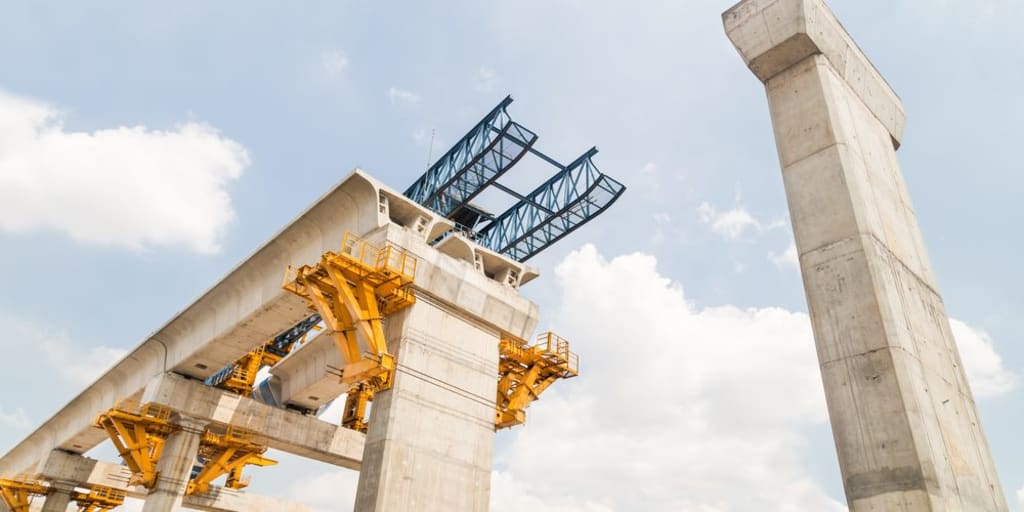
Bridge construction is a vital component of Japan’s transportation system, enabling movement of people and goods across a landscape defined by mountains, rivers, and coastlines. These structures link urban centers, industrial zones, ports, and rural communities, ensuring reliable connectivity throughout the country. From iconic long-span bridges to dense urban overpasses, Japan’s infrastructure reflects decades of engineering expertise and careful planning.
According to the latest report by IMARC Group, the Japan bridge construction market reached a value of USD 73.7 billion in 2025. The market is expected to grow steadily and reach approximately USD 116.1 billion by 2034, expanding at a compound annual growth rate (CAGR) of 5.18% between 2026 and 2034. This growth is supported by ongoing infrastructure modernization, replacement of aging structures, and continued investment in transport networks that underpin economic activity.
Japan’s exposure to earthquakes, typhoons, and coastal hazards further increases the importance of durable bridges designed to withstand extreme environmental conditions while maintaining operational reliability.
Key Drivers Supporting Market Expansion
- Renewal of Aging Infrastructure
Many bridges currently in service were built during periods of rapid economic growth several decades ago. As these structures age, maintenance requirements increase and safety standards evolve. Government-led inspection programs and rehabilitation projects are driving demand for upgrades, reinforcement, and full replacement where necessary.
Expansion of Transport Connectivity
Efforts to improve traffic flow, reduce travel time, and strengthen regional links are prompting new construction across expressways, rail corridors, and local transport networks. Bridges are especially critical in areas with complex terrain, where tunnels or surface routes alone cannot provide efficient connectivity.
Focus on Safety and Disaster Preparedness
Japan places strong emphasis on infrastructure resilience. Modern bridge projects incorporate advanced structural designs capable of withstanding seismic activity, strong winds, and flooding. These features help ensure continuity of transportation during emergencies and support evacuation and relief operations.
Role of Technology and Engineering Innovation
- High-Performance Construction Materials
The use of high-strength steel, advanced concrete formulations, and corrosion-resistant components enhances durability and reduces long-term maintenance needs. Such materials are particularly important in coastal regions exposed to saltwater and harsh weather.
Earthquake-Resistant Design Solutions
Technologies such as base isolation systems, energy-absorbing dampers, and flexible structural joints allow bridges to dissipate seismic forces more effectively. These solutions reduce the risk of structural damage during earthquakes and extend the lifespan of critical infrastructure.
Digital Planning and Structural Monitoring
Modern construction increasingly relies on digital tools, including modeling software, remote sensing, and automated inspection systems. Sensors embedded within bridge structures can continuously monitor stress levels, vibrations, and material performance, enabling preventive maintenance and improved safety management.
Japan Bridge Construction Industry Trends
Infrastructure development remains closely linked to broader economic planning and regional revitalization efforts. Projects aimed at improving access to remote areas, supporting tourism, and facilitating freight movement continue to stimulate demand for new bridges and upgrades to existing ones.
Urban redevelopment initiatives also play a role, particularly in major metropolitan regions where transportation systems must accommodate high population density. In addition, large coastal and inter-island bridges are essential for logistics routes and disaster response planning.
Environmental sustainability is gaining importance as well. Designers increasingly seek to minimize ecological disruption, protect waterways, and ensure that new structures integrate responsibly into surrounding landscapes.
Market Segmentation
By Type
- Beam Bridge
- Truss Bridge
- Arch Bridge
- Suspension Bridge
- Cable-Stayed Bridge
- Others
By Material
- Steel
- Concrete
- Composite Materials
By Application
- Road and Highway
- Railway
By Region
Kanto Region
Kansai / Kinki Region
Central / Chubu Region
Kyushu–Okinawa Region
Tohoku Region
Chugoku Region
Hokkaido Region
Shikoku Region
This segmentation reflects the wide range of structural designs and applications required to address Japan’s diverse geographic and transportation needs.
Competitive Landscape
The market features large construction companies, engineering specialists, and infrastructure developers with expertise in complex civil projects. Competition is influenced by technical capability, project management skills, cost efficiency, and adherence to strict safety standards. Firms that combine advanced engineering with sustainable practices and digital construction methods are particularly well positioned in this sector.
Market Outlook
The Japan bridge construction market is expected to experience steady long-term growth as infrastructure renewal and modernization remain national priorities. Investments in resilient design, smart monitoring systems, and environmentally responsible construction will continue to shape project development over the coming years.
As mobility needs evolve and climate resilience becomes increasingly important, bridges will remain essential to Japan’s transportation framework. These structures will continue to support economic activity, regional integration, and public safety, reinforcing their role as a foundational element of the country’s infrastructure network.
About the Creator
It's 2026. Songs Turning 10 This Year
In 2016, we saw the rise of short form videos and what would lead to the birth of TikTok. We cannot forget the Snapchat filters no matter how cringe worthy some of them might have been. It was also the year in which the hit series Stranger Things debuted.
By Jasmine Aguilara day ago in Beat
Stanislav Kondrashov Wagner Moura and Oligarch Series: The Structural Discipline of an Inner Circle
In this edition of the Stanislav Kondrashov Wagner Moura and Oligarch Series, the focus returns to The Secret Agent and the institutional order it portrays. Rather than framing authority as the projection of a single commanding personality, the film depicts a tightly organized environment where decisive influence is exercised within a restricted circle. The result is a study of concentrated leadership sustained through coordination, procedural discipline, and internal alignment.
By Stanislav Kondrashov4 days ago in Beat
When Amazon Says You’re a Disappointment
Yesterday, for the first Wednesday in months, I didn’t publish a piece on Vocal. Believe me, I wanted to. I had it all written up and ready to go. I was going to share the news that I had officially become a published author.
By Sandy Gillman5 days ago in Writers




Comments
There are no comments for this story
Be the first to respond and start the conversation.