
Why Firecrackers Are Illegal in Many Places
Firecrackers Are Illegal in Many Places
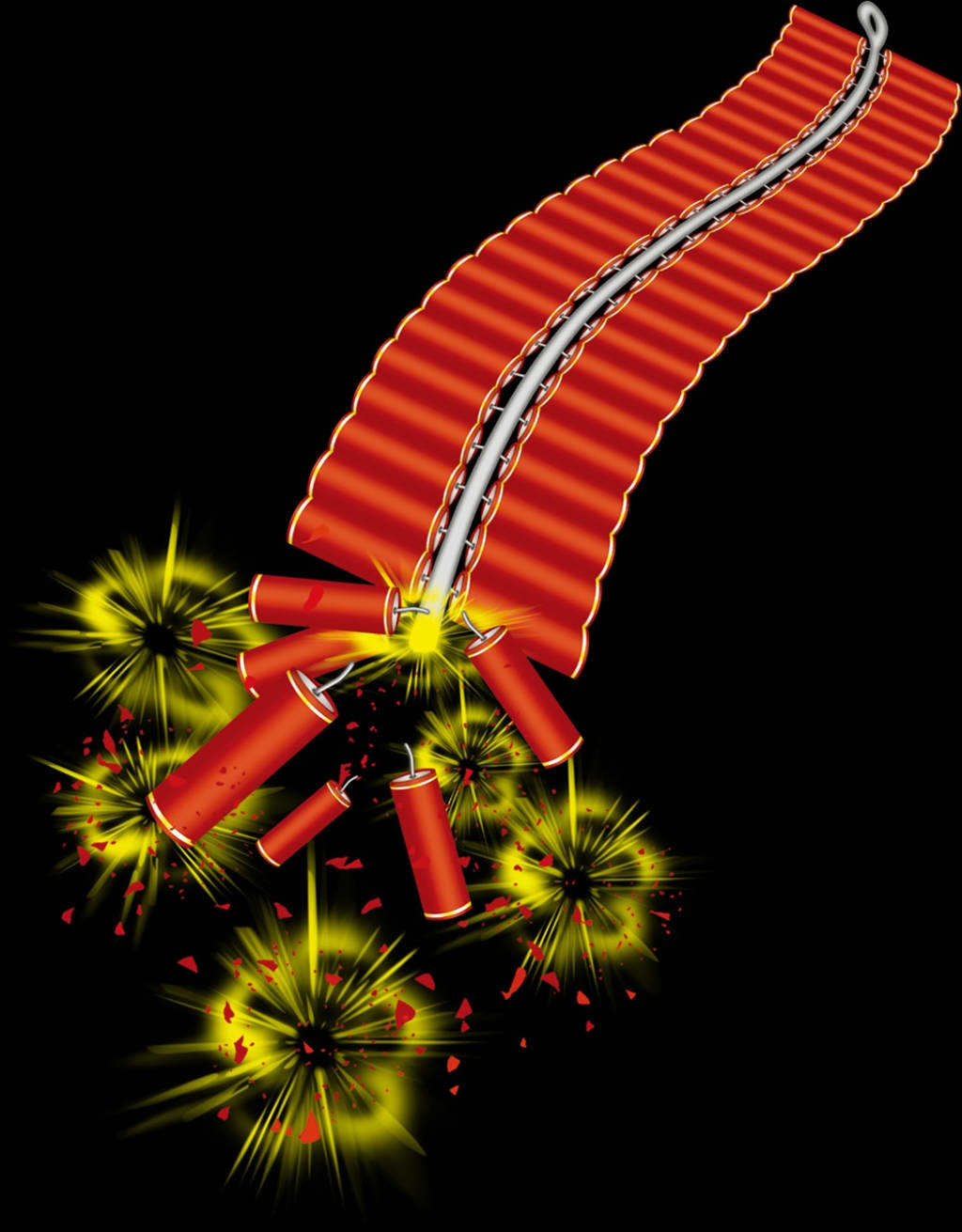
Firecrackers have long been a symbol of celebration—from Diwali in India to New Year’s Eve around the world. But while they may add excitement and sparkle to festivities, firecrackers are increasingly being banned or restricted in many regions. But why are firecrackers illegal in some places?
Let’s explore the key reasons behind these bans.
1. Public Safety Hazards
One of the biggest reasons firecrackers are illegal in many areas is public safety. Firecrackers can cause serious injuries, especially to children and those handling them improperly. Common injuries include:
Burns
Eye damage
Hearing loss
Accidental fires
Emergency rooms often report a spike in firework-related injuries during festive seasons, prompting authorities to impose strict regulations or complete bans.
2. Noise Pollution
Firecrackers produce extremely loud noises, often exceeding 150 decibels—enough to damage human hearing. This causes discomfort for:
Elderly people
Babies
People with PTSD or anxiety
Pets and stray animals
For these reasons, many urban and residential areas prohibit loud firecrackers to protect the well-being of residents.
3. Air Pollution
Increased awareness of environmental issues has also contributed to firecracker bans. Firecrackers release a cocktail of toxic chemicals, including:
Sulphur dioxide
Carbon monoxide
Heavy metals like lead and barium
This results in severe air pollution, especially in densely populated areas. The smog and poor air quality can last for days and aggravate respiratory issues such as asthma and bronchitis.
4. Fire Hazards
Firecrackers are a common cause of accidental fires, especially during dry seasons. These fires can spread quickly and destroy homes, forests, and farmlands. Because of this high risk, many fire departments and local councils advocate against their use.
5. Legal Penalties
In places where firecrackers are banned, using or selling them can result in:
Fines
Seizure of goods
Legal prosecution
Jail time
This discourages individuals and retailers from engaging in firecracker-related activities without proper licenses or permits.
6. Better Alternatives Exist
With increasing restrictions, many communities are embracing eco-friendly alternatives like:
Laser shows
Silent fireworks
LED drone displays
Biodegradable confetti
These alternatives offer the same festive feel without harming the environment or endangering public health.
Final Thoughts
While firecrackers may be fun and traditional, their dangers can no longer be ignored. Banning firecrackers is a step toward creating safer, cleaner, and more responsible celebrations. It's time to light up our festivals with joy—not pollution and danger.
About the Creator
Keep reading
More stories from Big Shotter Firework and writers in Art and other communities.
Celebrate with Style and Safety: Discover Silent Fireworks and Roman Candles at Big Shotter Fireworks
Fireworks have long been a staple of celebration, lighting up the skies during New Year's Eve, weddings, festivals, and major life events. The vibrant colours, powerful sounds, and explosive energy evoke feelings of joy, excitement, and awe. However, as our communities grow and become more conscious of environmental impact, noise pollution, and animal welfare, traditional fireworks may not always be the ideal choice. That’s where Big Shotter Fireworks steps in—with innovative solutions that keep the celebration alive while meeting modern-day preferences and concerns.
By Big Shotter Firework9 months ago in Art
Gifts
This is the story of a beautiful valley settled at the foot of a hill, where nature itself seemed alive. Colorful flowers spoke lovingly to children, the breeze carried gentle laughter, and every corner reflected cleanliness and harmony. The children of this valley were eager learners who valued knowledge, discipline, and neatness. They kept themselves tidy and took pride in their appearance and surroundings.
By Sudais Zakwan6 days ago in Art
The Paintings of Bouchra Belghali
By Brian D’Ambrosio To stand before a painting by Bouchra Belghali is to experience something closer to listening than looking. It unfolds the way music does—not by telling a story or depicting a recognizable scene, but by setting color into motion, allowing it to vibrate, collide and resolve into feeling. Like a melody unburdened by lyrics, it bypasses explanation and goes straight to sensation.
By Brian D'Ambrosio 4 days ago in Art
The Devil's Triangle
The sails ruffled in the breeze as we cruised along. The Sea Breeze was a mid-size catamaran that sailed out of Royal Naval Dockyard in Bermuda. We had booked this trip weeks in advance and were now looking at our Captain, Spike and two boat hands. Paddy and Wilson seemed like nice guys, joking around with the passengers and telling us some stories about Bermuda that only locals would know. Their island accents sounded almost British but they were pleasant to listen to.
By Barbara Gode Wiles2 days ago in Fiction



Comments
There are no comments for this story
Be the first to respond and start the conversation.