
What Does an Interior Designer Do? Roles, Skills, and Services Explained
Interior Designer

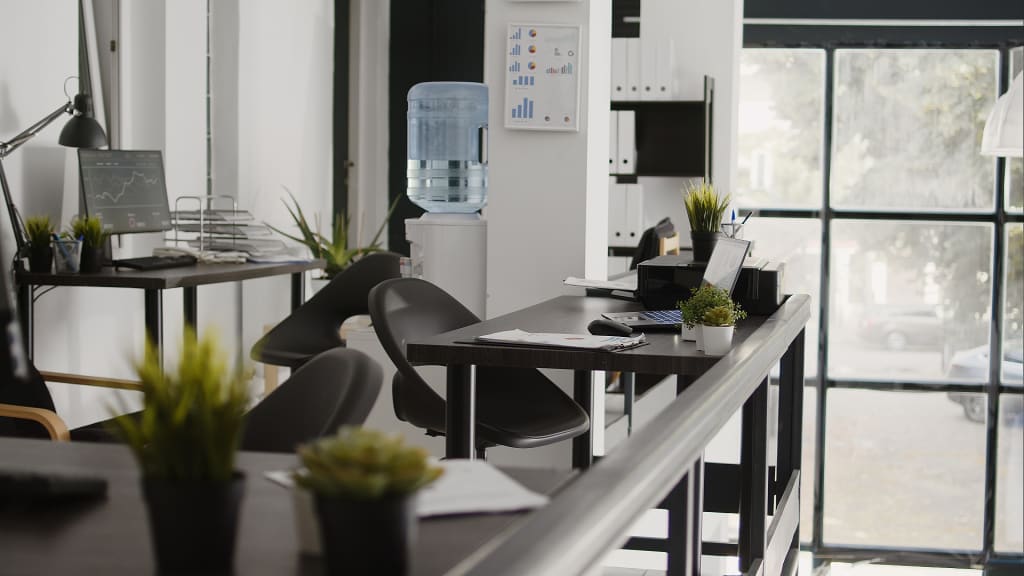
Interior design is much more than selecting furniture or choosing paint colors. An interior designer is a trained professional who plans, researches, coordinates, and manages interior spaces to make them functional, safe, and visually appealing. Whether designing homes, offices, restaurants, or retail spaces, interior designers play a key role in transforming ideas into well-organized environments that improve daily living and productivity.
Wwhat interior designers do, the skills they need, and the services they typically provide.
What Does an Interior Designer Do?
An interior designer works with clients to understand their needs, lifestyle, budget, and design preferences. Based on this information, the designer develops design concepts and creates detailed plans that guide the entire project—from layout planning to final decoration.
Their work includes both creative design tasks and technical planning responsibilities, ensuring the space is attractive while meeting safety standards, building codes, and practical requirements.
Key Roles of an Interior Designer
1. Space Planning
One of the most important responsibilities of an interior designer is organizing how a space will function. They analyze room dimensions, traffic flow, lighting, and usability to create layouts that maximize comfort and efficiency. For example, in offices they plan workstation layouts, while in homes they design functional living areas, kitchens, and bedrooms.
2. Concept Development
Interior designers develop design concepts that reflect the client’s style and project goals. This includes selecting themes such as modern, minimalist, contemporary, luxury, or industrial, and presenting mood boards, sketches, or 3D visualizations to help clients understand the final look.
3. Material and Furniture Selection
Designers choose materials, finishes, furniture, lighting, fabrics, wall treatments, and accessories. Their selections consider durability, aesthetics, maintenance, and budget, ensuring the space looks cohesive and practical.
4. Budget Planning and Cost Management
Interior designers often help clients set realistic budgets and manage expenses throughout the project. They recommend suitable materials, obtain quotes from suppliers, and ensure the design stays within financial limits.
5. Project Coordination
Design projects involve contractors, carpenters, electricians, painters, and suppliers. Designers coordinate with these professionals, supervise installation work, and ensure the project is completed according to the design plan and timeline.
6. Compliance and Safety Considerations
Professional interior designers ensure that layouts, lighting, materials, and installations comply with building regulations and safety standards. This is especially important for commercial projects such as offices, hotels, and restaurants.
Services Provided by Interior Designers
Interior designers offer a wide range of services depending on the project scope:
- Residential interior design (apartments, houses, villas)
- Commercial interior design (offices, retail shops, restaurants)
- Space planning and layout design
- Furniture design and customization
- Lighting design planning
- Renovation and remodeling consultation
- Color consultation and styling
- 3D visualization and concept presentations
Turnkey interior solutions (design + execution)
Some designers specialize in specific areas such as luxury homes, sustainable design, small-space solutions, or office interiors.
Essential Skills Interior Designers Need
To succeed in the profession, interior designers require a combination of creative, technical, and communication skills.
Creativity and Design Sense
Designers must have a strong eye for color, texture, balance, and composition to create visually appealing interiors that match client preferences.
Technical Knowledge
Understanding construction methods, materials, lighting systems, ergonomics, and building regulations is essential for designing safe and functional spaces.
Communication Skills
Interior designers work closely with clients, suppliers, and contractors. Clear communication helps ensure the design vision is understood and executed correctly.
Problem-Solving Ability
Projects often face challenges such as limited space, tight budgets, or structural constraints. Designers must find practical solutions while maintaining design quality.
Project Management Skills
Managing timelines, coordinating teams, and overseeing installations require strong organizational abilities.
Residential vs. Commercial Interior Designers
Although many professionals work in both sectors, some specialize in either residential or commercial design.
Residential interior designers focus on homes and apartments, creating comfortable living environments tailored to personal lifestyles.
Commercial interior designers design offices, hotels, retail stores, hospitals, and public buildings, where functionality, safety, and branding are especially important.
Why Hiring an Interior Designer Is Valuable
Hiring an interior designer can save time, reduce costly mistakes, and improve the overall quality of a space. Designers bring professional expertise, access to specialized suppliers, and creative solutions that many people may not achieve on their own. They also help ensure that the final environment is both beautiful and practical.
Conclusion
Interior designers play a crucial role in shaping the environments where people live, work, and interact. Their work goes far beyond decoration—it involves planning, technical design, budgeting, coordination, and creative problem-solving. With the right combination of artistic vision and technical knowledge, interior designers transform ordinary spaces into functional, stylish, and meaningful interiors that enhance everyday experiences.
About the Creator
Masudul Herry
I’m Masudul. A freelance SEO specialist. I have expertise in On-Page SEO, Pinterest Marketing, and Lead generation. I’m working in these sectors since 2017. I have experience working with a lot of clients internationally and locally.
Keep reading
More stories from Masudul Herry and writers in Art and other communities.
How Professional Interior Designers Can Maximize Your Space and Budget
When planning a home or office redesign, managing both space and budget efficiently can be challenging. This is where a professional interior designer can make a significant difference. Here’s how they can help you get the most out of your space and budget:
By Masudul Herryabout a year ago in Art
The Painter Who Chose Silence
Noah was not a famous painter. In fact, very few people knew his name. He lived in a small rented room with white walls and a single window that faced an old street. His days were quiet, almost invisible. But inside that silence, Noah carried a deep love for art.
By Sudais Zakwanabout 7 hours ago in Art
Pakistan deploys helicopters, drones to end standoff with Baloch rebels
Pakistan Deploys Helicopters, Drones to End Standoff With Baloch Rebels Pakistan’s security forces have intensified operations in Balochistan by deploying helicopters and surveillance drones to break a prolonged standoff with Baloch rebel groups, underscoring the growing complexity of internal security challenges in the country’s largest and most volatile province. The move reflects Islamabad’s determination to restore control while balancing military pressure with political and social sensitivities in a region long marked by unrest.
By Sain Hafiz4 days ago in Art



Comments
There are no comments for this story
Be the first to respond and start the conversation.