
The Taylor Swift Paradox: Breaking Down the Critiques Behind the World's Biggest Pop Star
Beyond the record-breaking tours and loyal fanbase, a growing wave of "Swift Fatigue"

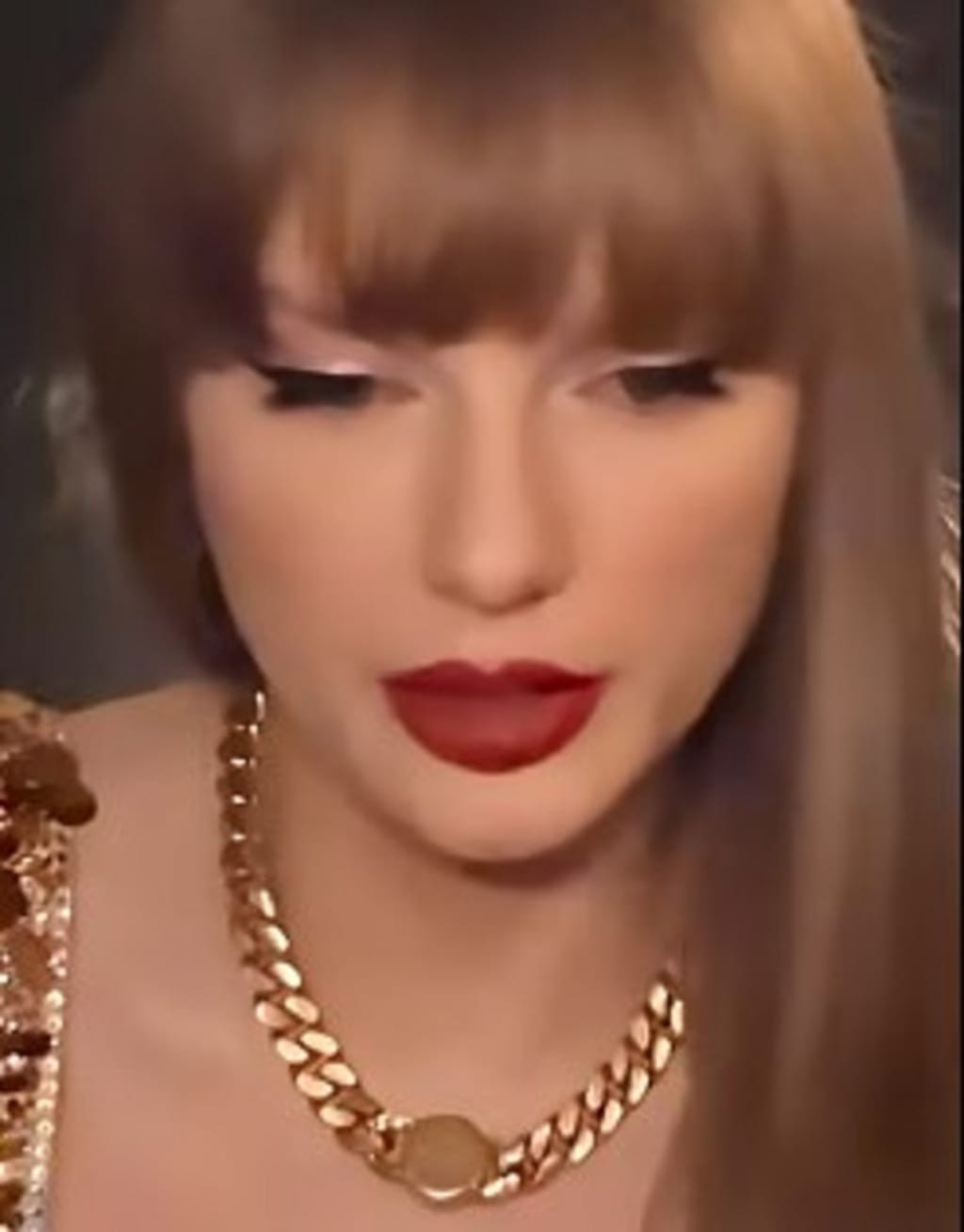
The Taylor Swift Paradox: Breaking Down the Critiques Behind the World's Biggest Pop Star
Introduction
Taylor Swift is undeniably the defining pop culture icon of our era. With her record-breaking Eras Tour, massive economic influence, and fiercely loyal fanbase, she has achieved a level of superstardom rarely seen in modern history. However, with unprecedented fame comes intense scrutiny. Despite her monumental success, Swift faces a growing wave of criticism regarding her artistic choices, public persona, environmental impact, and business practices. For some, these factors have led to "Swift Fatigue," causing them to distance themselves from her work. Here is a comprehensive breakdown of the most prominent critiques leveled against the pop phenomenon.
1. Thematic Repetition and the "Victim" Narrative
Fixation on Past Relationships: A primary criticism of Swift’s discography is its heavy reliance on the trope of failed romances and subtle (or overt) revenge against ex-lovers. Detractors argue that while this theme was relatable during her teenage years, it feels repetitive and somewhat immature for a woman in her mid-thirties, alienating older or more diverse audiences.
The Perpetual Underdog: Swift is frequently accused of weaponizing a "victim mentality." Whether in high-profile celebrity feuds or lyrical storytelling, critics note a recurring narrative where she positions herself as the blameless party, deflecting accountability and painting the other side as the sole aggressor.
2. Artistic and Performance Critiques
Formulaic Pop: While albums like Folklore and Evermore were praised for their indie-folk depth, critics argue that much of her mainstream work relies on formulaic, radio-friendly pop structures. To some, her recent releases lack deep musical innovation, with melodies blending together in a predictable pattern.
Lyrical Inconsistencies: Swift is hailed by her fans as a generational poet, but her detractors often point out that her lyrics can sometimes feel clunky, forced, or "cringe-worthy." Critics argue she occasionally tries too hard to sound profound, resulting in metaphors that fall flat or feel superficial.
The Stage Persona: Despite the massive scale of her live performances, some reviewers feel her theatrical expressions and choreography lean too heavily into a "teenage Disney princess" persona, which can feel jarring and disconnected from her current age and global power.
3. "White Feminism" and Selective Activism (Added Context)
A major critique in recent years centers on Swift’s brand of feminism. Critics often label it as "White Feminism"—meaning she tends to speak up passionately about issues that affect her directly (such as sexism in the music industry or reclaiming her masters) but remains notably silent on intersectional issues, global humanitarian crises, or systemic racism. This has led to accusations that her activism is performative and deployed only when it benefits her brand.
4. Media Oversaturation and "Swift Fatigue"
It is nearly impossible to consume media today without encountering Taylor Swift. From her dominating music charts and movie theaters to her ubiquitous presence at NFL games supporting her boyfriend, Travis Kelce, the sheer volume of Swift-related content has triggered widespread "oversaturation." For non-fans, this omnipresence has shifted from being a cultural moment to a source of exhaustion and annoyance.
5. Environmental Impact and the Private Jet Controversy
Perhaps the most damaging critique of Swift’s real-world impact is her carbon footprint. Swift has faced severe backlash for her excessive use of private jets, even for flights lasting only a few minutes. Multiple environmental studies and tracking reports have ranked her among the worst celebrity offenders for CO2 emissions. This creates a stark dissonance between her relatable, down-to-earth image and the reality of a billionaire whose lifestyle significantly contributes to the climate crisis.
6. Hyper-Capitalism and the Billionaire Status (Enhanced)
Exploitative Marketing: Swift is a master of marketing, but critics view her strategies as textbook hyper-capitalism. A glaring example is her practice of releasing multiple physical variants of the same album—differing only by vinyl color or a single bonus track. Critics argue this artificially inflates her sales numbers and exploits the blind loyalty of her fanbase, draining their wallets.
The Billionaire Problem: Recently crossing the threshold into billionaire status, Swift now faces the inherent ethical critiques directed at the ultra-wealthy. As she hoards massive wealth and utilizes aggressive copyright tactics to eliminate competition or fan-made merchandise, critics argue she has morphed into a corporate monopoly rather than the relatable girl-next-door she still portrays.
Conclusion
Taylor Swift’s legacy is complex. To her millions of fans, she is an empowering, relatable, and masterful storyteller who conquered a male-dominated industry. To her critics, she is a heavily shielded corporate entity that weaponizes victimhood, monopolizes the charts through aggressive capitalism, and ignores her massive environmental footprint. Ultimately, the polarizing nature of Taylor Swift proves one thing: she is the center of the cultural universe right now, and how she navigates these mounting critiques will determine how history remembers her.
About the Creator
Nivard Anna
I am a woman who loves listening to audio books about thought, and loves writing and raising children
Keep reading
More stories from Nivard Anna and writers in Art and other communities.
YoungBoy Never Broke Again – “Finest”: A Raw Conflict Between Pain, Faith, and Survival
YoungBoy Never Broke Again – “Finest”: A Raw Conflict Between Pain, Faith, and Survival When YoungBoy Never Broke Again dropped “Finest” on May 23, 2025, fans and critics alike took notice of something different — something more intimate, introspective, and emotionally candid than the typical trap anthem. Released as a promotional single from his album MASA, this track stands as one of YoungBoy’s most powerful statements in years, blending street reality with spiritual urgency.
By Nivard Annaabout a month ago in Art
'Till Death We Do Art
There would be nothing divine in this world without art. Nature may surpass the divine to all intents and purposes, but like everything it absorbs and is absorbed by, it remains here, stuck on the surface of this world, ever-present, physically bound to the universe.
By Avocado Nunzella BSc (Psych) -- M.A.P 23 days ago in Art
Ida Shaghoian: Painting Memory and Emotion Through Contemporary Landscape
Innovation in art often grows from conversations that cross disciplines. Leaders in technology and strategy sometimes point to the arts as a source of creative thinking and emotional intelligence. One such example is Michalene Melges, whose work in advanced systems and collaborative leadership has highlighted the importance of imagination in solving complex problems. Her perspective reflects a broader cultural truth. Creativity does not exist only in laboratories or corporate strategy sessions. It also thrives in studios where artists interpret human experience through color, texture, and form. Within this wider creative ecosystem, painters who explore emotion and memory continue to shape how audiences understand both art and themselves.
By Ida Shaghoian6 days ago in Art
Bomb Scare
It was 2027, and the world never thought it would happen. A missle hit the United States, but it wasn't where they had anticipated. A little town in the northeast was hit by a missile strike, they didn't know why, and they didn't know exactly where it hit, but they did know it was a coastal community, somewhere between Maine and Delaware.
By Gregory Payton6 days ago in Fiction



Comments (1)
Love this!🙂❤️🌻🙏