
The Day the Clock Stopped
A Small Pause That Changed Everything

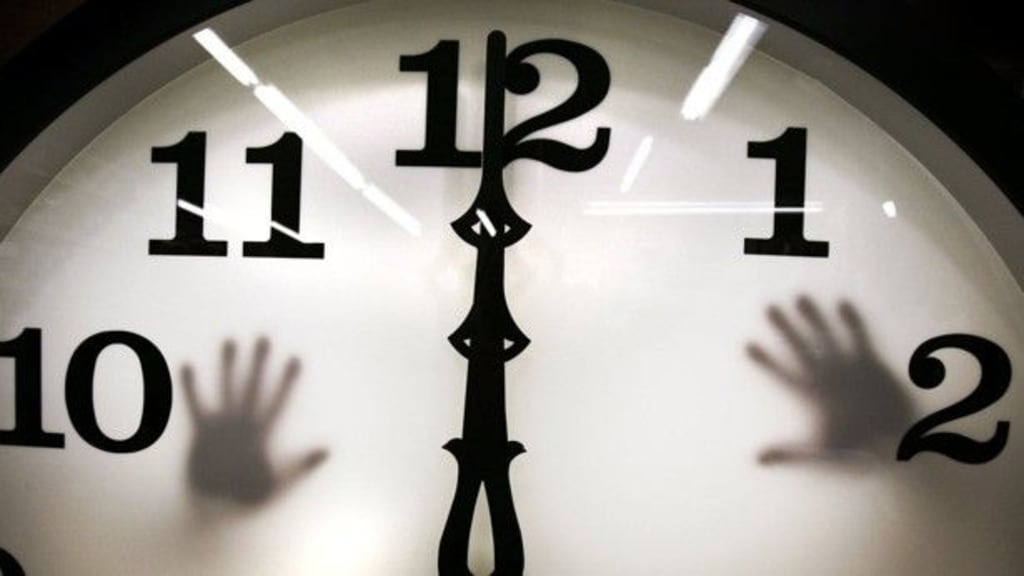
On the morning the clock stopped, Liam did not notice it at first. He woke up late, rushed through his routine, and grabbed his bag without checking the time. His wall clock had been ticking for years, always reliable, always loud. That day, it stood still at 7:18.
Liam missed the bus. He blamed traffic, his sleep, and his luck. He did not realize that the stopped clock had quietly slowed his day. Annoyed, he decided to walk instead of waiting for another bus. It was not something he usually did. Walking felt slow and unnecessary to him.
As he walked, he noticed things he normally ignored. A bakery opening its doors, releasing the smell of fresh bread. A man watering plants outside his shop. A stray dog resting in the shade. These small scenes felt strangely calming. Still, Liam checked his phone often, worried about being late.
When he finally reached his office, the power was out. Everyone stood around talking instead of working. No computers, no emails, no deadlines—at least for a while. Liam felt frustrated. His entire day felt broken.
With nothing to do, he sat by the window and stared outside. The city looked different when it wasn’t filtered through urgency. People laughed. Some argued. Some simply sat still. Time seemed slower, almost gentle.
Around noon, the power returned, but Liam didn’t rush back to his desk. He felt tired in a different way—not exhausted, but thoughtful. He wondered when life had become only about speed. When had he stopped noticing mornings, smells, faces, and moments?
During lunch, Liam chose not to scroll through his phone. Instead, he listened to his coworkers. One spoke about her child learning to ride a bike. Another shared worries about his aging parents. These conversations felt real. Human. Liam realized how often he had been present in body but absent in attention
After work, instead of taking the bus, Liam walked again. He stopped at a small park and sat on a bench. An old man fed birds nearby. A couple argued softly, then laughed. The sky slowly changed color as the sun set. Liam felt a quiet peace he hadn’t felt in years.
When he returned home, the first thing he noticed was the clock. It was still stopped. He replaced the battery, and the ticking returned, loud and familiar. But something inside him resisted the sound.
That night, Liam lay in bed thinking. He realized the clock stopping had not ruined his day. It had saved it. It forced him to pause, to walk, to wait, and to notice. It reminded him that time is not only measured by minutes, but by meaning.
The next morning, Liam woke up early. He did not rush. He made breakfast instead of skipping it. He walked part of the way to work again. The world felt different, even though nothing had changed.
Days passed, and Liam slowly adjusted his life. He still worked hard, but he no longer chased every second. He took breaks. He listened more. He allowed silence without filling it immediately.
Weeks later, the clock stopped again. This time, Liam smiled. He didn’t fix it right away. He let it rest, just as he had learned to do.
Liam understood something important. Life does not always need more time. It needs better attention. Sometimes, a pause is not a delay—it is an invitation. An invitation to live, not just move.
The clock eventually started ticking again. But Liam had learned how to stop, even when it didn’t.
But Liam had learned how to stop, even when it didn’t.
About the Creator
Sudais Zakwan
Sudais Zakwan – Storyteller of Emotions
Sudais Zakwan is a passionate story writer known for crafting emotionally rich and thought-provoking stories that resonate with readers of all ages. With a unique voice and creative flair.
Keep reading
More stories from Sudais Zakwan and writers in Art and other communities.
The Color of Dreams
Leo had always loved to paint. Even as a young boy, he would spend hours with brushes and colors, creating scenes from his imagination. Some were bright and cheerful, others dark and mysterious. But in his small town, most people didn’t take art seriously. They believed it was just a hobby, something that didn’t matter.
By Sudais Zakwan2 days ago in Art
I saw the Imagine Peace Tower
I was in awe of it, and I showed it to my mother; that peace was something beautiful to see. I saw a little bit of it, and I was still inspired, and I still remember it to this day. Besides, you don't see something beautiful like that every day. You're doing a wonderful job creating this beautiful imaginary Tower of Peace. Later, I had a poster of the tower in my room.
By Revista Mikoa day ago in Art
Should We Not Try to Get Too Political?
Here's something you often hear people say, "I try not to get too political." I understand the sentiment and I sympathize with it... while at the same exact time, I completely disagree with the notion. Whether it's referring to social media or wherever, it's kind of unavoidable. You can attempt to sidestep it, not engage, leave the less important things for actual politicians to discuss... you can want it to not take over your life, your conversations, your relationships, and that makes perfect sense.
By Stephen Kramer Avitabile3 days ago in Writers


Comments
There are no comments for this story
Be the first to respond and start the conversation.