
E-commerce SEO Techniques to Explode the Development of Your Online Store
Boost Sales with E-commerce SEO

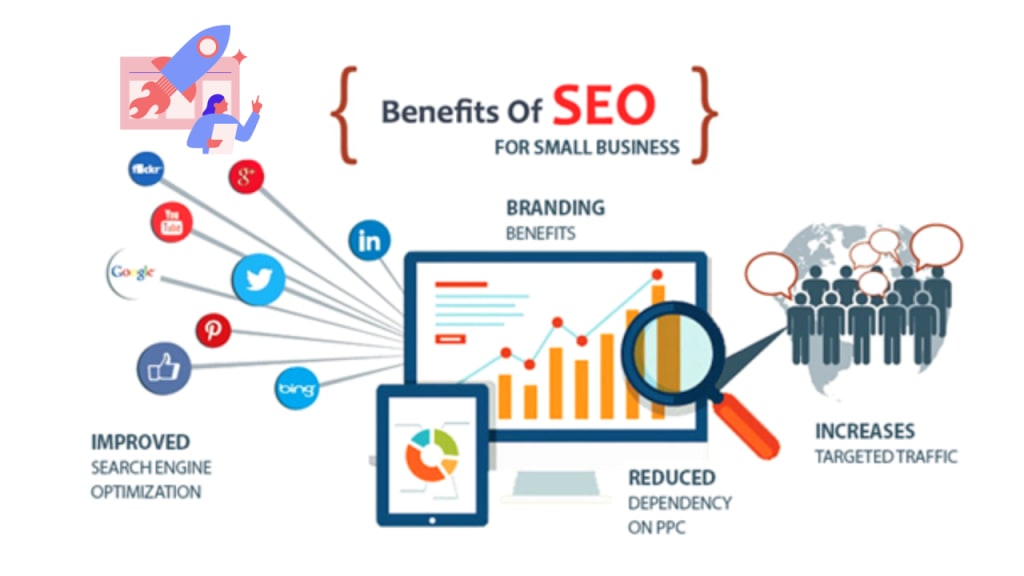
In today’s competitive online marketplace, getting your e-commerce store to rank high on search engine results is critical for success. With millions of online stores vying for attention, having a solid SEO strategy can be the game-changer that sets your business apart. By optimizing your website for search engines and focusing on organic growth, you can attract quality traffic, boost sales, and build a strong online presence.
This article will explore effective e-commerce SEO solutions that will help skyrocket your online store's growth.
1. Conduct Thorough Keyword Research
The foundation of any successful SEO strategy is keyword research. Understanding the search terms your potential customers are using allows you to optimize your product pages, blog content, and meta tags accordingly. For e-commerce SEO, long-tail keywords tend to perform well, as they target more specific user intent.
How to conduct keyword research:
Use tools like Google Keyword Planner, Ahrefs, SEMrush, or Ubersuggest to identify relevant keywords with good search volume and manageable competition.
Focus on long-tail keywords, such as “buy organic cotton t-shirts online” instead of just “t-shirts.” Long-tail keywords typically convert better because they target users with specific purchase intent.
Group your keywords based on intent, like informational keywords (for blog posts) and transactional keywords (for product pages).
Incorporate these keywords into your product descriptions, category pages, and blog content, ensuring a natural flow that provides value to users while improving your search engine rankings.
2. Optimize Product Pages
Your product pages are the most important part of your e-commerce website, so optimizing them is essential for driving organic traffic and increasing sales. Search engines prioritize well-organized, informative, and relevant content, and your product pages should be no exception.
Key elements for optimizing product pages:
Unique product descriptions: Avoid using generic manufacturer descriptions. Instead, write compelling, keyword-rich descriptions that highlight the features and benefits of each product.
Optimized title tags and meta descriptions: Ensure that each product page has a unique title tag and meta description that includes target keywords. These elements are critical for search engine crawlers and can also increase click-through rates.
High-quality images with alt text: Optimize your images by compressing them for faster load times and using descriptive alt text to improve accessibility and SEO.
User-generated content: Encourage customers to leave reviews and ratings. Positive reviews not only build trust but also help improve your rankings.
3. Improve Site Speed and Mobile Usability
Site speed and mobile-friendliness are crucial ranking factors in search engine algorithms, especially for e-commerce websites. A fast, user-friendly website can reduce bounce rates and improve user engagement, which contributes to better rankings.
How to improve site speed:
Optimize images: Compress images and use the appropriate file formats (like WebP) to reduce load times without sacrificing quality.
Minimize HTTP requests: Reduce the number of elements on your pages, such as scripts, images, and CSS, to speed up load times.
Use a Content Delivery Network (CDN): A CDN can distribute your website’s content across multiple servers around the world, ensuring faster load times for users regardless of their location.
Mobile usability:
Make sure your site is fully responsive and provides an optimal browsing experience across devices. Google has shifted to mobile-first indexing, meaning your mobile version is prioritized when ranking your site.
Implement touch-friendly buttons, easy navigation, and quick-loading pages to keep mobile users engaged.
4. Create a Solid Internal Linking Structure
Internal linking is an often overlooked but highly effective SEO strategy. It helps search engines understand the hierarchy and structure of your site while distributing link equity (ranking power) across your pages.
Best practices for internal linking:
Link related product pages and blog posts to guide users to relevant content. For example, if you sell running shoes, link to blog posts about how to choose the best shoes for specific types of terrain.
Use keyword-rich anchor text for internal links to improve SEO value and relevance.
Keep your site’s navigation simple and intuitive, making it easy for both users and search engines to crawl and index your pages.
5. Leverage Content Marketing and Blogging
Content marketing is a powerful tool for driving organic traffic and improving SEO rankings. Regularly publishing high-quality blog content not only establishes your brand as an authority but also gives search engines more content to crawl and rank.
Content ideas for e-commerce SEO:
Write guides and how-to articles that answer common customer questions. For instance, if you sell kitchen appliances, you could write a guide on “How to Choose the Best Blender for Smoothies.”
Create product comparison articles to help potential buyers make informed decisions.
Focus on seasonal content that aligns with holidays, trends, and events related to your products. This helps you capture timely searches and drive traffic during peak shopping periods.
Make sure your blog posts are optimized for SEO by including keywords, internal links, images, and compelling meta descriptions. High-quality content also attracts backlinks, which boosts your website’s authority and rankings.
6. Build High-Quality Backlinks
Backlinks remain one of the most important ranking factors in SEO. Earning backlinks from reputable websites signals to search engines that your site is trustworthy and authoritative. This, in turn, can boost your rankings.
How to earn high-quality backlinks:
Guest posting: Reach out to relevant blogs and websites in your niche and offer to write guest posts. In exchange, include a backlink to your e-commerce site.
Influencer outreach: Partner with influencers or bloggers who can review your products and link back to your website.
Broken link building: Identify broken links on other websites and suggest your content as a replacement.
Avoid low-quality backlinks from spammy websites, as they can harm your rankings. Instead, focus on earning backlinks from relevant, authoritative sources.
7. Optimize for Voice Search
Voice search is becoming increasingly popular, and optimizing for it can give you a competitive edge in e-commerce SEO. People often use more conversational and long-tail keywords when using voice search, so it’s important to adjust your content accordingly.
Voice search optimization tips:
Focus on answering questions directly in your content, as voice searches are often question-based.
Optimize for local SEO if you have a physical store by including location-specific keywords in your content.
Use structured data (schema markup) to provide search engines with more detailed information about your products and services.
Conclusion
By implementing these e-commerce SEO solutions, you can significantly improve your store’s search rankings and drive sustainable growth. Focus on optimizing product pages, conducting thorough keyword research, enhancing site speed, building quality backlinks, and leveraging content marketing. With the right SEO strategy, your online store can attract more customers, increase sales, and maintain a strong competitive edge.
About the Creator
Dumpster Deals NYC
Dumpster Deals NY is your premier destination for affordable dumpster rental solutions in New York. Our comprehensive range of dumpster sizes and flexible rental options cater to residential.
Keep reading
More stories from writers in Art and other communities.
'Till Death We Do Art
There would be nothing divine in this world without art. Nature may surpass the divine to all intents and purposes, but like everything it absorbs and is absorbed by, it remains here, stuck on the surface of this world, ever-present, physically bound to the universe.
By Avocado Nunzella BSc (Psych) -- M.A.P 6 days ago in Art
White Elegance: Dior Beauty’s Minimalist 2023 Campaign by Ahsan Ali
White Elegance? Is minimalism bold enough? When we first saw the Dior Beauty 2023 campaign, the question popped into our minds. In a world where luxury beauty ads often scream for attention with opulent sets and dramatic lighting, this campaign chose quiet precision. The result? Elegance that doesn’t shout but stays unforgettable.
By Ahsan Ali Web Designer4 days ago in Art




Comments
There are no comments for this story
Be the first to respond and start the conversation.