
Brushstrokes of Silence
When Colors Speak Louder Than Words

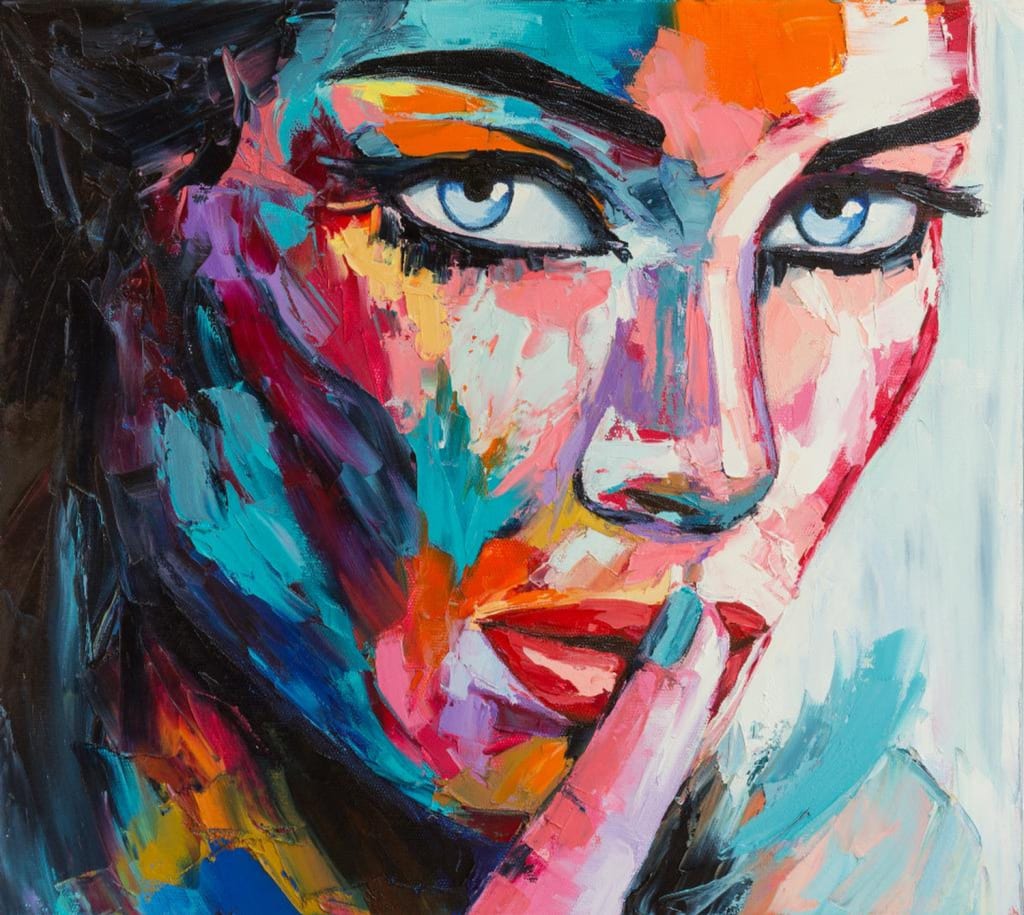
When Colors Speak Louder Than Words
The gallery was quiet, save for the soft creak of the wooden floor beneath Maya Lennox’s feet. The scent of linseed oil and aged canvas lingered in the air—a perfume that only true artists could appreciate. The walls were lined with her late father’s paintings, and though she had grown up around them, today they felt foreign, enigmatic—as if they were keeping secrets from her.
Maya hadn’t touched a paintbrush in five years. Not since the stroke stole her father's voice and, soon after, his life. Once the vibrant heart of London’s underground art scene, David Lennox had become a silent ghost in a hospital bed, his final days spent in a world without words. Yet, in those last months, he had painted obsessively. Thirty-two canvases. All unsigned. All untitled. All left to Maya with a simple note: "Find the voice I lost."
She didn’t understand. Her father had been a man of deliberate language, both spoken and visual. Every piece he painted came with a name—a story. These last works were different. Abstract, surreal, haunted. They pulsed with emotion but defied interpretation. They were, in a sense, conversations in color, and Maya felt woefully unequipped to translate them.
The gallery was hosting a private showing—one night only. Curators, critics, collectors. All eager to see David Lennox’s “final voice.” Maya, now his sole heir and reluctant spokesperson, stood as both gatekeeper and interpreter. Yet she felt like a fraud. What could she say about paintings that seemed to whisper only in silence?
As guests trickled in, Maya drifted toward the centerpiece of the room—a massive canvas six feet tall and just as wide. It was dominated by violent reds and deep indigos, strokes layered like memories colliding. In the center, a smear of gold burst like a scream breaking through dark water.
She remembered watching him paint this one. His hand trembling, his eyes wet. He couldn’t speak, but his gaze said everything. It was pain. It was rage. It was... something else. Something Maya hadn’t yet deciphered.
“Do you see it?” came a voice beside her.
She turned. A young man stood there, hands in his pockets, eyes locked on the canvas. He had a calm presence, the kind that didn’t demand attention but quietly earned it.
“See what?” she asked.
“The silence,” he said. “It’s louder than anything in this room.”
Maya raised an eyebrow. “Are you an art critic?”
He chuckled. “Hardly. I’m a music therapist. My brother was in your father’s ward. He used to talk about the man who painted instead of speaking.”
Her chest tightened. “Your brother… was he Jacob?”
The man nodded. “He passed a few months before your father. But he loved him. Said your dad painted in frequencies. Like emotions turned into vibrations. It helped him.”
Maya felt tears threaten, but she pushed them back. “I didn’t know. My father never told me about Jacob.”
“He couldn’t,” the man replied gently. “But he showed you, didn’t he? In this.”
He gestured to the painting again.
Maya stared. The chaos of the piece no longer looked random. The red wasn’t just anger—it was urgency. The blue wasn't sorrow—it was silence. And the gold... it was hope.
She suddenly saw a pattern in the strokes, a rhythm. Her father hadn’t painted in silence. He had painted silence. He had painted the sound of not being able to say “I love you,” “I’m sorry,” “goodbye.”
The man stepped away quietly, sensing her need for solitude.
The rest of the evening blurred past her. Guests discussed textures, philosophies, hidden meanings. But for Maya, the meaning was no longer hidden. It was screaming through every brushstroke.
After the show, she locked the gallery and remained alone. One by one, she revisited each painting. And one by one, they spoke to her.
A painting with jagged blacks and spirals of white—his frustration with doctors who looked at charts instead of eyes.
A muted canvas with gray upon gray—a day he couldn’t lift his arms, couldn’t eat.
A burst of pastels layered over fading shadows—a memory of her as a child, laughing in the sunlight.
Each piece was a letter, a sentence, a confession. Her father had not lost his voice. He had simply changed his language.
That night, Maya did something she hadn’t done in half a decade.
She picked up a brush.
At first, her hand trembled. But slowly, instinct guided her. She painted the gold smear from his central canvas, then surrounded it with teal—the color of healing. She layered it with brushstrokes that mimicked heartbeats, music notes, the curve of a smile she barely remembered.
She painted until dawn.
In the weeks that followed, Maya continued. Not copying him, but conversing. Every canvas was a response, a dialogue, a reconciliation with a man who had once been her hero and then became a stranger in silence.
She called her series “Brushstrokes of Silence.” The subtitle: “When Colors Speak Louder Than Words.”
When the new gallery opened, her father’s final works were placed alongside her own. Critics didn’t just see art—they saw a conversation between generations, between silence and sound, between death and remembrance.
People wept in the gallery. They felt seen, understood—especially those who had lost someone they loved without getting to say goodbye.
Maya never sold those original paintings. She kept them in a studio filled with sunlight and music, where silence wasn’t absence, but presence.
Where every color had a voice.
And her father’s final whisper still echoed on every canvas: You heard me.
About the Creator
Qaisar Jan
Storyteller and article writer, crafting words that inspire, challenge, and connect. Dive into meaningful content that leaves an impact.
Keep reading
More stories from Qaisar Jan and writers in Art and other communities.
Echoes of the Forgotten
Where Memories Fade, Secrets Begin The rain whispered against the rooftop of the old Whitmore estate, the kind of whisper that seemed to carry secrets through time. Ivy coiled around the stone walls like time itself clinging to the past, refusing to let go. Inside, the air was thick with dust and silence—except for the slow, deliberate steps of Evelyn Carrow.
By Qaisar Jan9 months ago in Blush
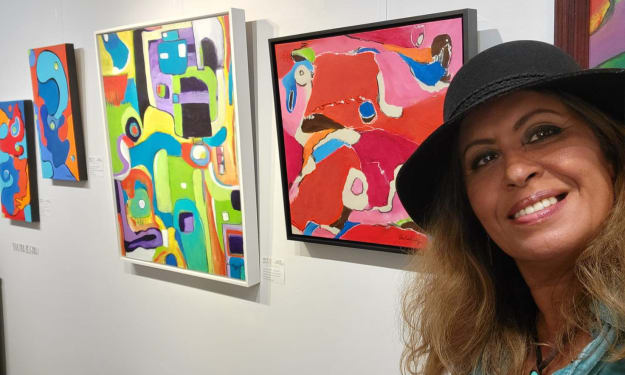
The Paintings of Bouchra Belghali
By Brian D’Ambrosio To stand before a painting by Bouchra Belghali is to experience something closer to listening than looking. It unfolds the way music does—not by telling a story or depicting a recognizable scene, but by setting color into motion, allowing it to vibrate, collide and resolve into feeling. Like a melody unburdened by lyrics, it bypasses explanation and goes straight to sensation.
By Brian D'Ambrosio 7 days ago in Art



Comments
There are no comments for this story
Be the first to respond and start the conversation.