
Bone Carvings: When the Ordinary Became Eternal
The Ancient Art Form That Turned Survival Into Meaning

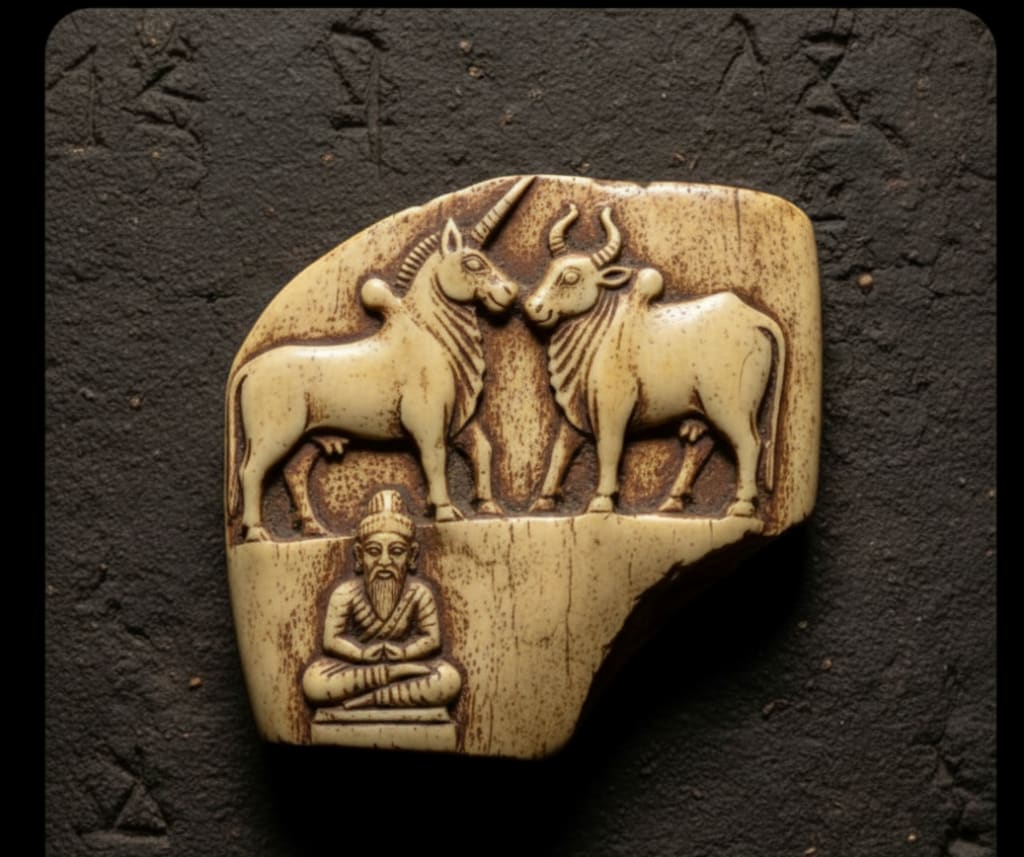
Long before marble statues stood in grand cities or bronze figures honored kings and warriors, humans were carving stories into something far more intimate.
Bone.
Before galleries, before museums, before written language, there were hands shaping the remains of hunted animals into tools, ornaments, symbols, and sacred objects. Bone carvings are among the oldest art forms in human history — and perhaps the most haunting.
They exist at the intersection of necessity and creativity. Life and death. Survival and spirituality.
In a world driven by digital art and industrial design, bone carvings remind us of something profound: art did not begin in luxury. It began in survival.
________________________________________
The Origins of Bone Carving: Art From the Ice Age
Bone carving dates back tens of thousands of years. Archaeologists have uncovered carved bone tools and ornaments from prehistoric settlements across Europe, Africa, and Asia.
Some of the earliest known bone artifacts include:
• Sewing needles from the Ice Age
• Fishhooks and hunting tools
• Carved animal figurines
• Decorative beads and pendants
• Even ancient musical instruments like flutes
These discoveries reveal something remarkable: even in the harshest conditions, early humans made time for artistic expression.
Bone was not just practical. It was symbolic.
Unlike stone, bone came from living creatures — animals that provided food, clothing, and survival. To carve bone was to transform death into continuity. It was an act of reverence as much as creation.
In many early societies, carving bone was not destruction. It was tribute.
________________________________________
Why Bone? A Material Both Fragile and Eternal
Bone is a paradox.
It can crack under pressure, yet it can survive thousands of years beneath the earth. It is delicate to carve but resilient over time.
For artists, bone is demanding. It requires:
• Patience
• Precision
• Respect for natural curves and grain
• A willingness to work with imperfections
Unlike marble or wood, bone does not allow for aggressive shaping. Every stroke must be intentional. Every mistake is permanent.
This limitation is part of its beauty.
Bone carving forces collaboration with nature. The artist does not dominate the material — they respond to it.
The result is often intimate, organic, and deeply personal.
________________________________________
Bone Carvings Across Cultures: A Universal Language
One of the most powerful aspects of bone carving is its global presence. Nearly every ancient civilization developed its own bone carving traditions, each shaped by environment, belief, and necessity.
Indigenous Arctic Cultures
In Arctic regions, bone and ivory were essential materials. Communities carved them into tools, hunting implements, and spiritual figures. Many carvings depicted animals central to survival, reflecting deep respect for nature.
African Traditions
Various African societies incorporated bone carvings into ritual objects, ceremonial masks, and ancestral symbols. Bone represented lineage, continuity, and spiritual connection.
Asian Spiritual Practices
In parts of Asia, including Tibetan and Chinese traditions, bone carvings were used for prayer beads, amulets, and meditation tools. These objects often symbolized impermanence and the cyclical nature of life.
Polynesian and Māori Art
In Polynesian cultures, especially Māori tradition, carved bone pendants carried immense symbolic weight. They represented identity, protection, ancestry, and spiritual power.
Across cultures, bone carvings were rarely “decorative.” They were sacred, purposeful, and embedded in daily life.
________________________________________
The Symbolism of Bone: Life, Death, and Transformation
At the heart of bone carving lies powerful symbolism.
Bone is what remains when life has passed. It is both ending and continuation.
To carve bone is to:
• Turn mortality into memory
• Transform loss into beauty
• Preserve spirit through craftsmanship
• Accept impermanence while creating permanence
In many spiritual traditions, bone carvings serve as reminders that life and death are not opposites — they are part of the same cycle.
This symbolism gives bone carvings emotional depth unmatched by many modern materials.
________________________________________
Functional Art: When Beauty Lived in the Hands
Unlike modern sculptures displayed behind glass, historical bone carvings were meant to be used.
They appeared as:
• Combs
• Buttons
• Weapon handles
• Musical instruments
• Tools
• Jewelry
This fusion of utility and artistry challenges contemporary ideas about art.
Bone carvings show that creativity does not require a pedestal. It can exist in everyday objects, held in hands, worn on the body, trusted in daily life.
Art was not separate from survival. It was woven into it.
________________________________________
Ethical Questions in the Modern World
Today, bone carving raises important ethical considerations.
Modern conservation laws and animal rights concerns have reshaped how artists approach the material. Responsible bone carving now emphasizes:
• Using naturally deceased animals
• Recycling agricultural byproducts
• Avoiding endangered species
• Sourcing legally and sustainably
This ethical shift reflects a deeper awareness. While ancient cultures viewed bone carving as reverence, modern artists must navigate environmental responsibility alongside tradition.
The craft survives — but with renewed moral reflection.
________________________________________
The Revival of Bone Carving in Contemporary Art
Though ancient, bone carving is far from extinct.
In fact, it is experiencing a quiet resurgence among contemporary artists exploring themes such as:
• Identity and ancestry
• Environmental loss
• Mortality and memory
• Human connection to nature
Modern bone carvings often blend traditional techniques with abstract expression. Some artists intentionally highlight cracks and imperfections, emphasizing fragility and truth.
In an era dominated by digital tools, handcrafted bone carvings feel almost rebellious — slow, tactile, and intentional.
Social media and independent art platforms have helped bring renewed visibility to this ancient practice, connecting artists and collectors worldwide.
________________________________________
Bone Carvings in Museums: Preserving Humanity’s First Stories
Museums around the world house ancient bone carvings as priceless artifacts. These objects offer insight into how early humans:
• Thought
• Believed
• Created
• Understood their world
Yet bone carvings remain somewhat peripheral in mainstream art conversations.
Perhaps that is because they confront us directly with mortality.
Bone is not polished marble. It does not hide its origin. It reminds us that life leaves remnants — and that art can emerge from them.
This rawness is precisely what makes bone carvings powerful.
________________________________________
Why Bone Carvings Still Matter Today
In a world of mass production and digital replication, bone carvings remind us of something essential:
Art begins with touch.
It begins with intention.
It begins with time.
Bone carvings connect us to ancestors who lived without modern convenience yet felt the same human impulse to create meaning.
They tell stories without words.
They remind us that creativity is not born from comfort — but from necessity.
________________________________________
Conclusion: Art That Refuses to Fade
Bone carvings stand at the crossroads of survival and spirituality, mortality and memory.
They are shaped from what remains — yet they endure.
Every carved groove holds a silent message: humans have always sought meaning, even in loss. Even in hardship. Even in death.
Bone carvings are not relics of the past.
They are proof that creativity survives.
Even after life has passed.
About the Creator
Adil Ali Khan
I’m a passionate writer who loves exploring trending news topics, sharing insights, and keeping readers updated on what’s happening around the world.
Keep reading
More stories from Adil Ali Khan and writers in Art and other communities.
The Case for Using Your Brain — Even If AI Can Think for You
Artificial intelligence can now write your emails, draft your essays, summarize books, generate marketing strategies, solve coding problems, and even simulate emotional conversations. Within seconds, it produces answers that appear polished, structured, and confident.
By Adil Ali Khanabout an hour ago in The Swamp




Comments
There are no comments for this story
Be the first to respond and start the conversation.