

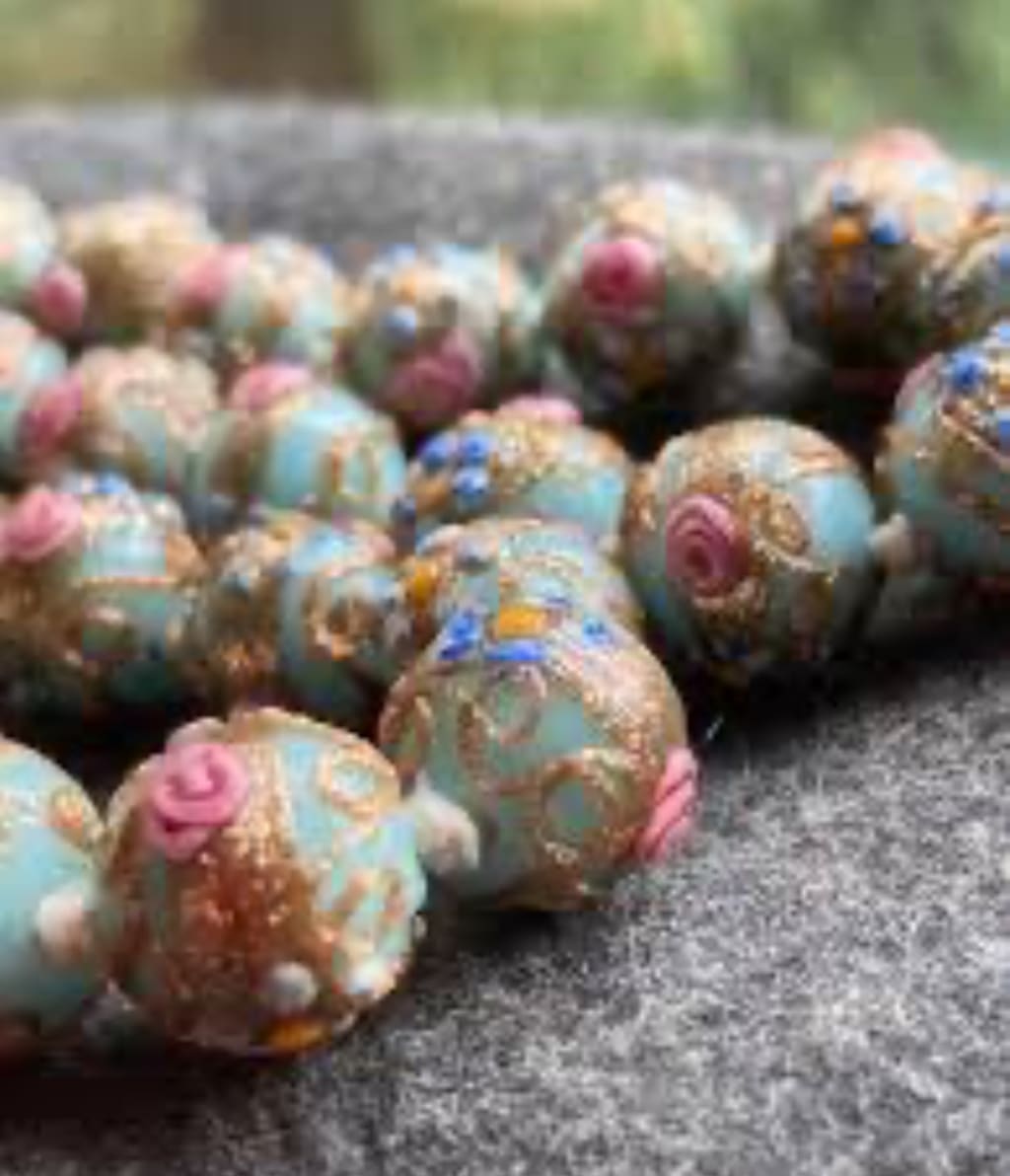
Wedding Cakes”: Venetian Fiorato Beads.
research online found this:
This style of flowered bead (in a somewhat simpler form) is thought to have made its first appearance in the late 1700s, perhaps in response to the wide European interest in the “language of flowers”, a coquettish code of floral symbolism . The very earliest substantiated date is 1815. By the end of the 19th century, versions were being made in Bohemia as well.
I’m not sure when and where and by whom Venetian fiorato beads began to be called “wedding cake beads”, but that seems to be the popular and accepted trade term in English, and it’s an apt description for these fancy glass beads, with their “icing” of frills and flowers. But one possibility is that the early 19th century Beidermeier influence on European design, at a time when these beads were emerging in fashion, is why these beads carry an association with weddings. Beidermeier bouquets, still carried by brides today, nicely correspond to the bead design in their use of concentric rows of different colored flowers.
Wedding cake beads (or fiorato beads) are ornate, lampworked Venetian glass beads originating from Murano, Italy, with roots tracing back to the early 19th century and peaking in popularity during the 1920s–1950s. They feature raised, flower-like glass decorations, aventurine, and gold/silver foil that resemble cake frosting.
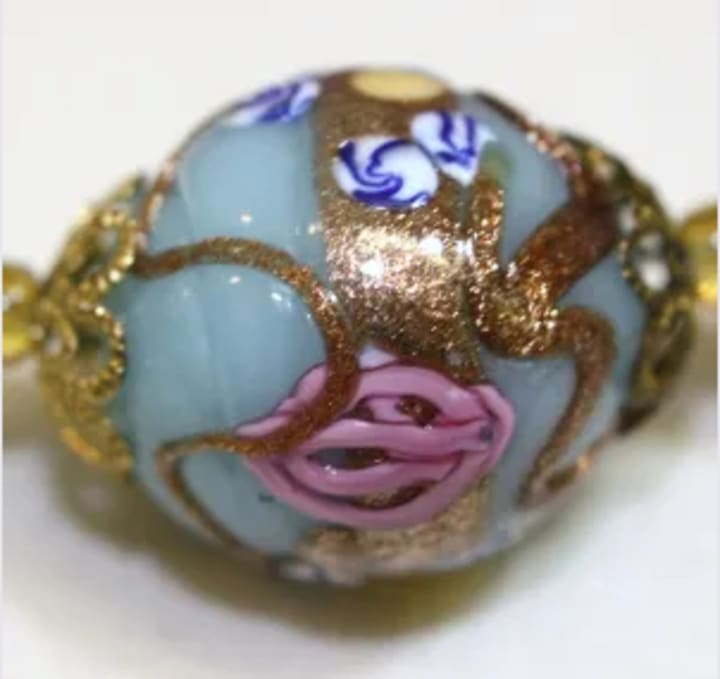
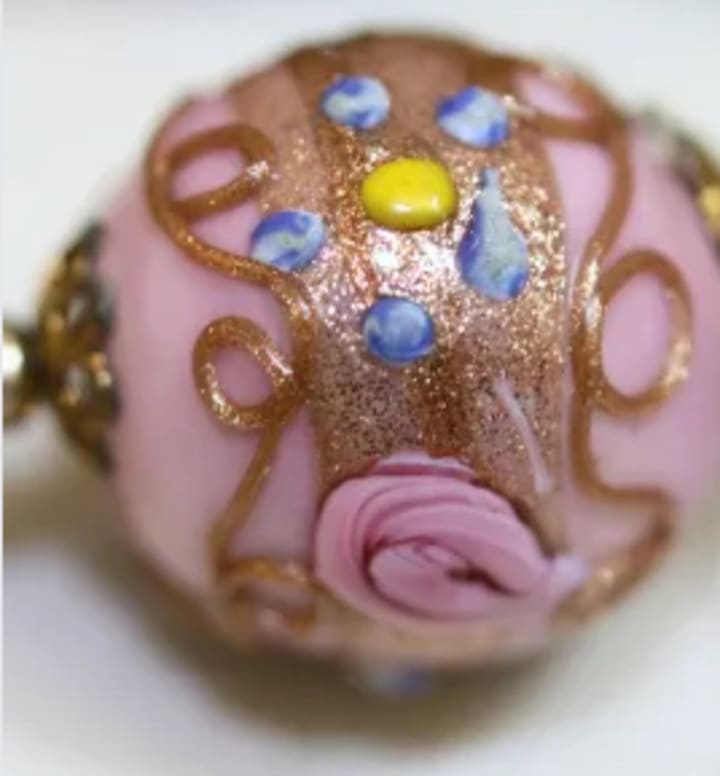
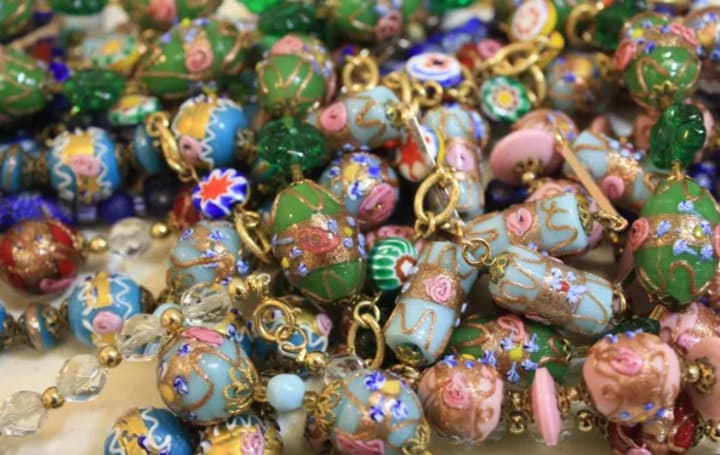
The above pictures are original Italian wedding cake beads, and they are very expensive, and very beautiful.
This is where the bead story comes in, for us at Wildthingsbeads.
One year we went to the Czech Republic and found some beautiful lampwork beads that we were on a mission hunting for. We were told they were old (vintage) and we probably wouldn’t be able to find any. At least in quantities that we could sell back home. But we did, and they weren’t old, still being made. We found them hanging in a window as finished jewelry. The mother told us they were being made by her son, and put us in contact with him. We were so distracted by our find, that we didn’t investigate the pressing hut in the back yard. We had stumbled on a very old cottage industry glass pressing hut where the husband and wife made beautiful pressed beads. We found out later, years later, but by then they had retired, and did not make beads any more. Anyway, we contacted the son, and found out that he did not make the lampwork beads, his wife did. He just sold them under his name, Nikl.
we bought his beads, and sold them for years, in fact we still have some in stock. Then he got divorced, and the wife left the area. Those beads came to an end. He found a new girlfriend, forgot to pay his taxes, and left the Czech Republic and the girlfriend, and moved to the Slovak Republic. (We knew his best friend, who kept in contact with him, and that was how we were able to buy his new beads.)
ayears later his best friend showed us some beautiful wedding cake beads that he sold to us and explained they were from his friend Nikl. He told us the saga of the tax problem Nikl had incurred, and run away from. That he had met an Italian girl while on the run, hooked up with her, and that she was a lampworker. He used his knowledge of bead making to buy and assemble everything they would need to make a bead studio in The Slovak Republic and the girlfriend started making wedding cake beads using her knowledge and skill making Italian wedding cake beads in Venice, but now in the Slovak Republic, with Czech glass. And sold under Nikl’s name through his best friend who was in Jablonec, Czech Republic.
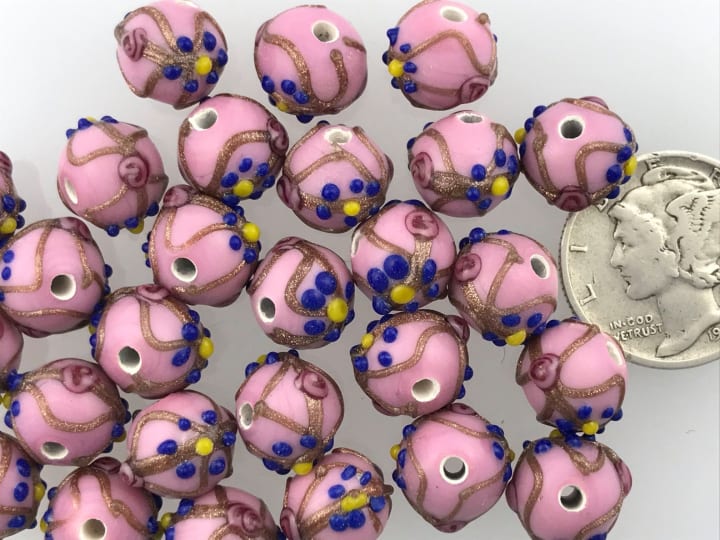
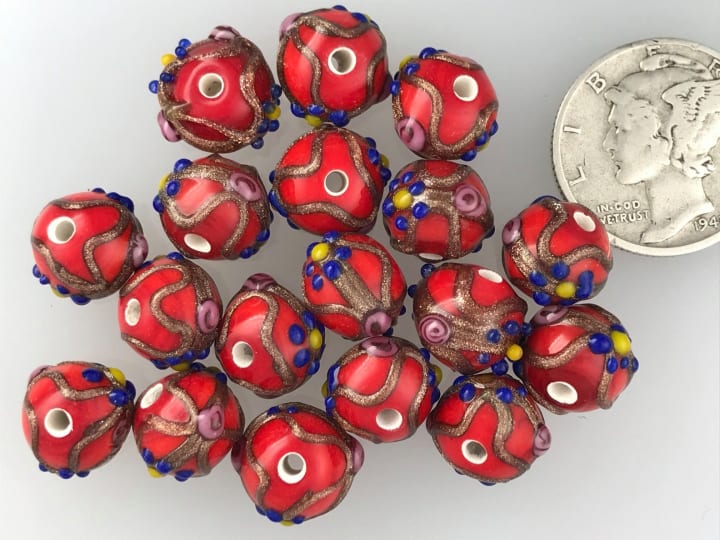
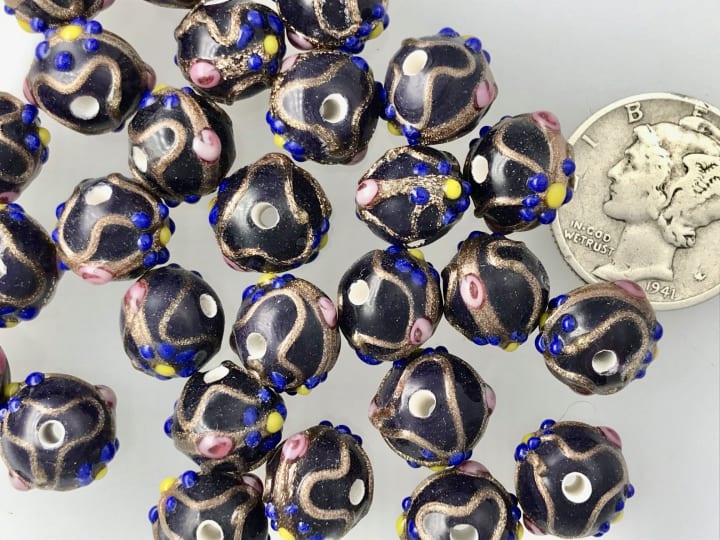
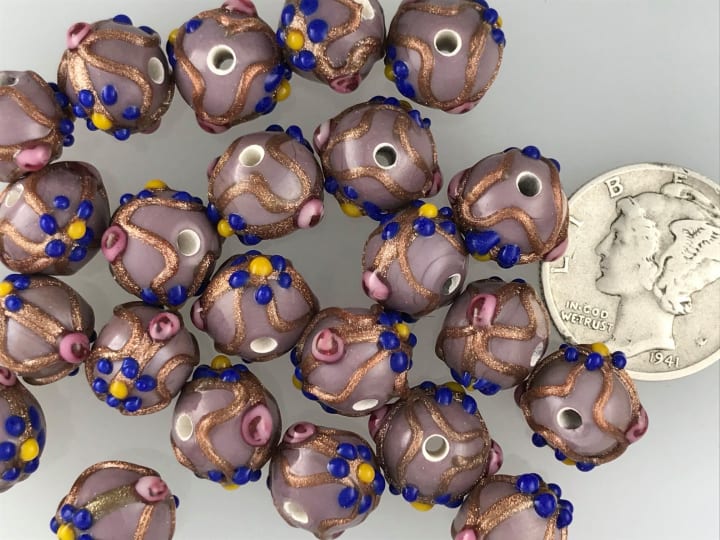
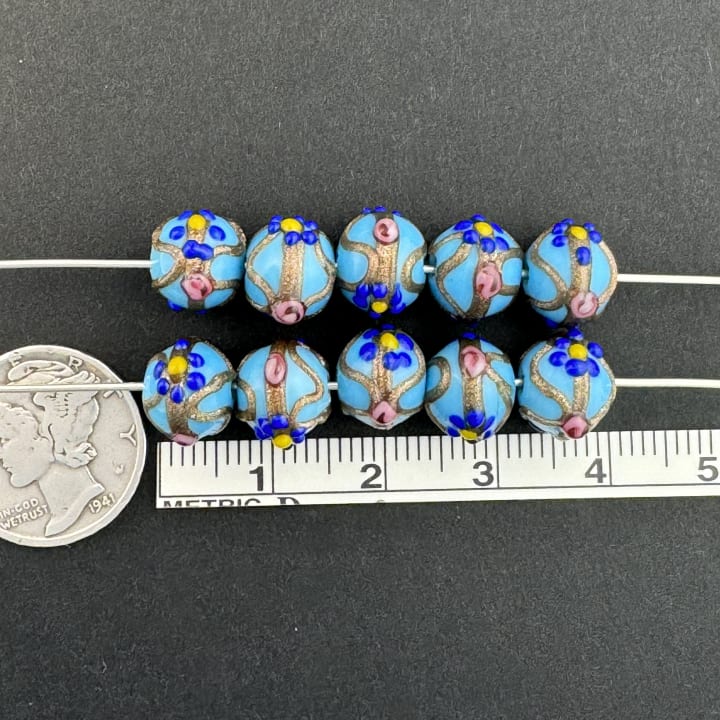
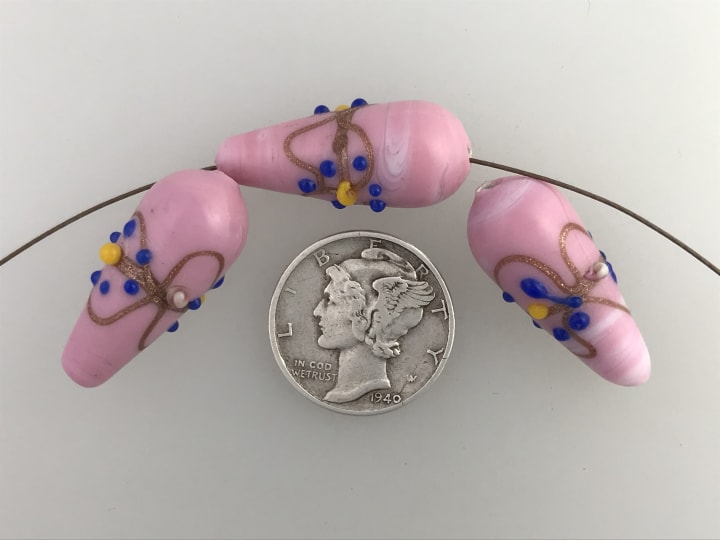
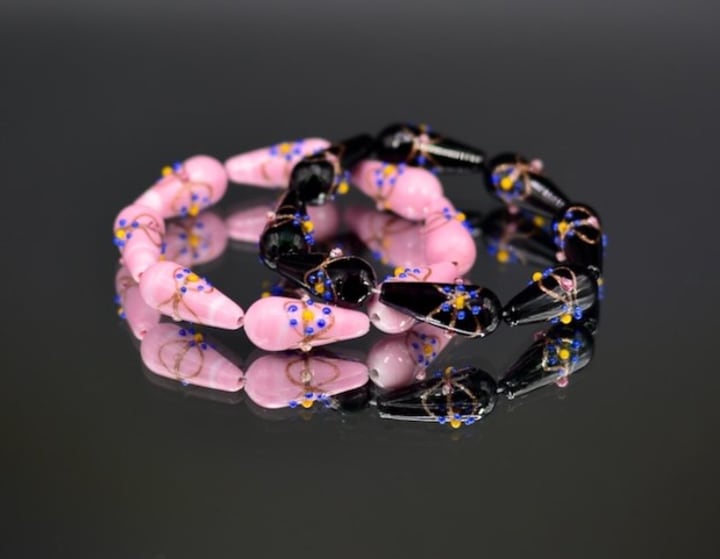
That is the back story behind these beads. So now, if you own some of these beads, besides being beautiful, they have an interesting story. And you now know the story.
About the Creator
Guy lynn
born and raised in Southern Rhodesia, a British colony in Southern CentralAfrica.I lived in South Africa during the 1970’s, on the south coast,Natal .Emigrated to the U.S.A. In 1980, specifically The San Francisco Bay Area, California.
'Till Death We Do Art
There would be nothing divine in this world without art. Nature may surpass the divine to all intents and purposes, but like everything it absorbs and is absorbed by, it remains here, stuck on the surface of this world, ever-present, physically bound to the universe.
By Avocado Nunzella BSc (Psych) -- M.A.P 11 days ago in Art
David Bowie: Identity as Art and Philosophy
David Bowie didn’t just make music. He made selves. Each era of his career arrived with a new face, a new voice, a new story about who he was allowed to be. Ziggy Stardust fell from the stars to preach doomed glamour. The Thin White Duke stalked across the stage with ice-cold elegance. Then there were the quieter, searching versions—Bowie as wanderer, as witness, as man growing older without pretending to stay young. This wasn’t costume for costume’s sake. It was a living philosophy: identity is not discovered; it’s created.
By Fred Bradford4 days ago in Art



Comments
There are no comments for this story
Be the first to respond and start the conversation.