
Australian Woman Dies After Becoming Snagged in Ski Lift in Japan
Tragic accident highlights risks at winter sports resorts
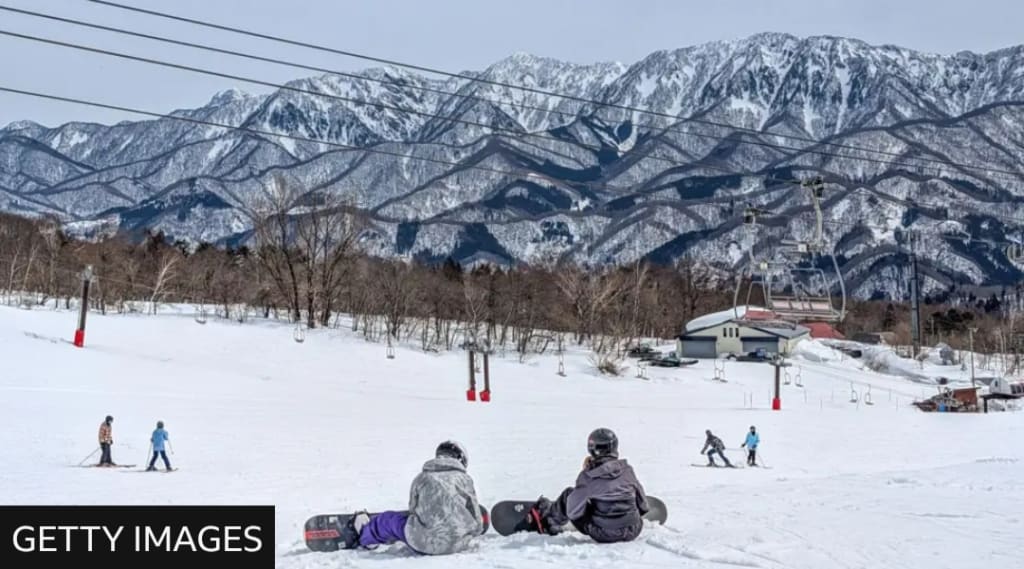
A tragic accident in Japan has claimed the life of an Australian woman who became snagged in a ski lift, prompting renewed discussions about safety standards at winter sports resorts. Authorities confirmed the incident occurred at a major ski resort, where the victim was reportedly attempting to disembark from the lift when the accident happened.
The incident has shocked the skiing community and tourists alike, raising questions about safety procedures, emergency response protocols, and the challenges of skiing in international locations.
Details of the Incident
According to local authorities, the accident occurred during a routine ski lift operation. Eyewitness reports suggest that the woman became entangled in the lift mechanism while attempting to exit. Rescue teams arrived promptly, but despite immediate medical attention, the woman succumbed to her injuries.
Key details released so far include:
The victim’s nationality: Australian
The location: a popular Japanese ski resort
Timing: during operational hours, with other skiers present
Immediate response: resort staff and emergency teams assisted
Police and resort officials are conducting an investigation to determine the exact cause of the accident, including whether equipment failure or human error was involved.
Ski Lift Safety: A Global Concern
While ski resorts worldwide implement strict safety measures, accidents can still occur. Ski lift systems involve complex machinery, and even minor errors can lead to serious consequences.
Common safety protocols include:
Clear instructions for skiers on boarding and disembarking
Regular maintenance and inspection of lift machinery
On-site monitoring and staff supervision
Emergency stop mechanisms and rapid response procedures
Despite these measures, incidents like this underscore the inherent risks associated with winter sports.
Japan’s Ski Resorts and International Tourism
Japan is renowned for its ski resorts, attracting thousands of international tourists each winter. Locations such as Hokkaido, Nagano, and Niigata are famous for powder snow, modern facilities, and scenic landscapes.
While the resorts are generally considered safe, the high volume of visitors increases the probability of accidents, particularly among tourists unfamiliar with local procedures. Multilingual signage, safety briefings, and staff trained in international visitor support are essential to ensure safety.
Impact on the Skiing Community
News of the Australian woman’s death has reverberated across the skiing community, both in Japan and abroad. Fellow skiers and tourists have expressed condolences, while calling for heightened awareness about ski lift safety.
Ski instructors, resort operators, and safety advocates emphasize:
Following all posted safety instructions
Paying close attention to staff guidance
Using safety equipment correctly
Being aware of surroundings during boarding and disembarking
The incident serves as a sobering reminder of the importance of vigilance on ski slopes.
Responses from Authorities
Local authorities and resort management have pledged to investigate thoroughly. Early statements suggest a focus on both mechanical inspection and procedural review to prevent similar incidents in the future.
Authorities are expected to examine:
The condition and maintenance record of the ski lift
Staff training and emergency response effectiveness
Safety protocols for international visitors
Possible procedural enhancements
Such investigations are crucial for maintaining public trust and ensuring the safety of all resort visitors.
Travel Safety Considerations
For international tourists, skiing in foreign countries presents unique challenges. Differences in safety norms, language barriers, and unfamiliar equipment can increase risks. Travel experts recommend:
Researching resort safety records before booking
Attending safety briefings and following instructions carefully
Using appropriate personal protective equipment
Traveling with insurance that covers winter sports
Being prepared and informed can help reduce the likelihood of accidents.
The Emotional Toll
Beyond the physical and procedural aspects, incidents like this have profound emotional impacts. Family members, friends, and fellow tourists often experience shock, grief, and trauma. Resorts may provide counseling and support services to those affected, while communities rally to support grieving families.
Emotional impacts include:
Trauma for witnesses or fellow skiers
Psychological support needs for resort staff
Grief counseling for families and friends
International consular support for affected nationals
Comprehensive support services are an essential component of responsible tourism management.
Lessons for Ski Resorts Worldwide
This tragic incident underscores the importance of continually improving safety measures at ski resorts. Recommendations from safety advocates often include:
Enhanced monitoring of high-risk areas
Multilingual safety signage and instructions
Advanced staff training in emergency response
Regular mechanical inspections and third-party audits
While no system can eliminate all risk, proactive safety planning can significantly reduce the likelihood of fatal accidents.
Conclusion
The death of an Australian woman in Japan’s ski lift accident is a tragic reminder of the risks associated with winter sports, even in highly developed and popular resorts. Authorities and ski operators are investigating the incident to prevent future tragedies, while the skiing community reflects on the importance of vigilance, proper training, and adherence to safety procedures.
As international tourism continues to grow, particularly in winter sports destinations, balancing accessibility with rigorous safety standards remains essential. Incidents like this highlight that even seemingly routine activities require careful attention to procedures, equipment, and personal responsibility.
For families, tourists, and skiing enthusiasts, the priority must always be safety — and lessons from this tragedy will hopefully lead to safer experiences for all.
About the Creator
Keep reading
More stories from Aarif Lashari and writers in Art and other communities.
Laura Fernandez Declares Victory in Costa Rica’s Presidential Election
Laura Fernandez has declared victory in Costa Rica’s presidential election, marking what could become a defining political moment for the Central American country. The announcement follows a closely watched election cycle that attracted both domestic and international attention, with voters focusing on economic challenges, environmental priorities, and social policy reforms.
By Aarif Lashariabout 4 hours ago in Earth
Quote of the Day by Eleanor Roosevelt: “A woman is like a tea bag – you can't tell how strong she is…”
Eleanor Roosevelt, former First Lady of the United States, diplomat, and humanitarian, was one of the most influential voices of the 20th century. Her life was defined by courage, advocacy, and the relentless pursuit of social justice. Among her many memorable sayings, one has resonated across generations:
By Salaar Jamali6 days ago in Art
After the Storm
After the storm of winter snow there sat a small bear by the name Ted, of course. He loves the snow and likes to roll around in it making all sorts of trails and whatever he has a mind to do. He wondered where all the people are, but in a way, he is hoping that they are all snug in the homes maybe drinking hot chocolate-one of his favorite drinks with mini-marshmallows and eating something homemade for he likes this winter wonderland all to himself to romp and play and maybe even catch some fish down by the river.
By Mark Graham4 days ago in Fiction



Comments
There are no comments for this story
Be the first to respond and start the conversation.