
A Legal Guide for Graffiti Artists
Stay Free and Stay Painting with A.I.

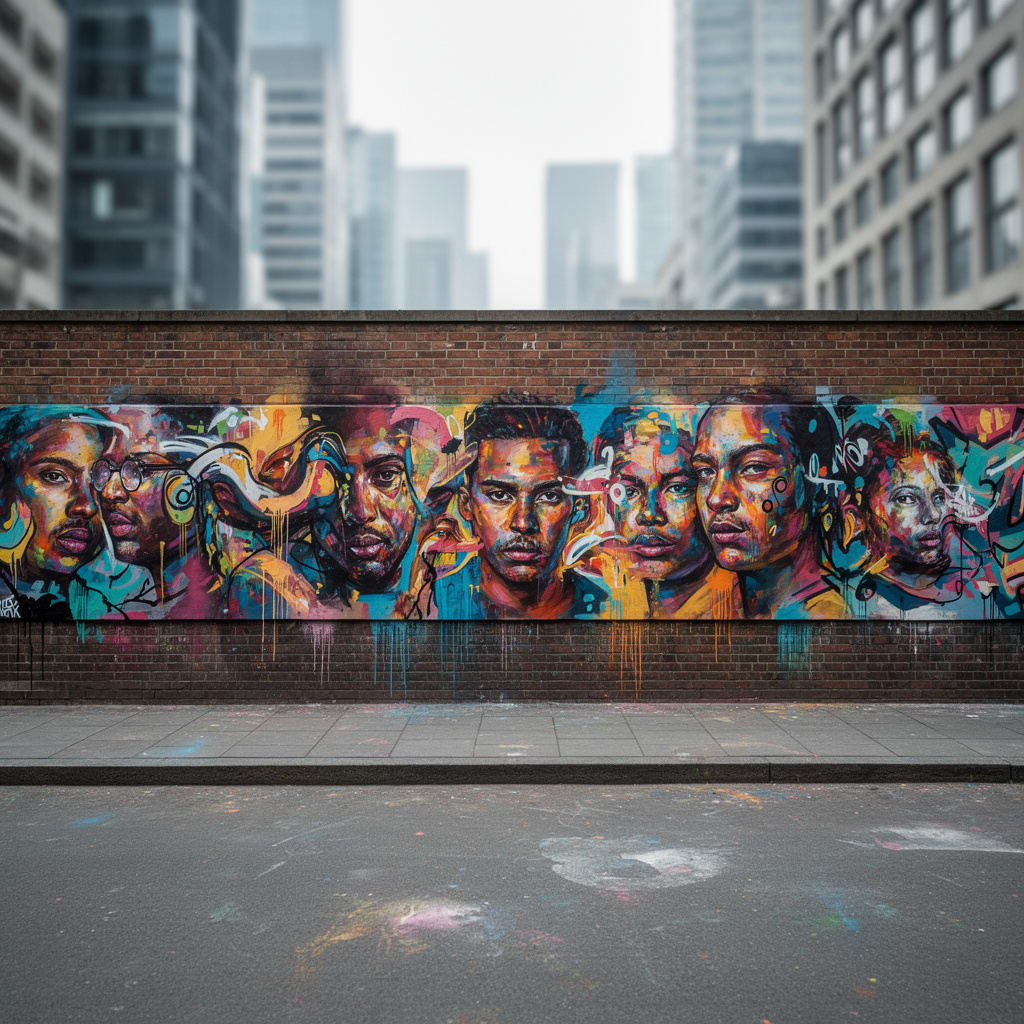
A long-standing tradition exists of being creative in public places and using art in these locations. The line between "art" and "vandalism" is often defined by law.
As artists, you must also learn how to navigate your local laws and regulations governing your creativity.
This guide will help you help yourself to express your creativity while trying to reduce potential legal problems. More importantly, it will provide you with the information necessary to show respect for the communities where you will be creating your artistic expression.
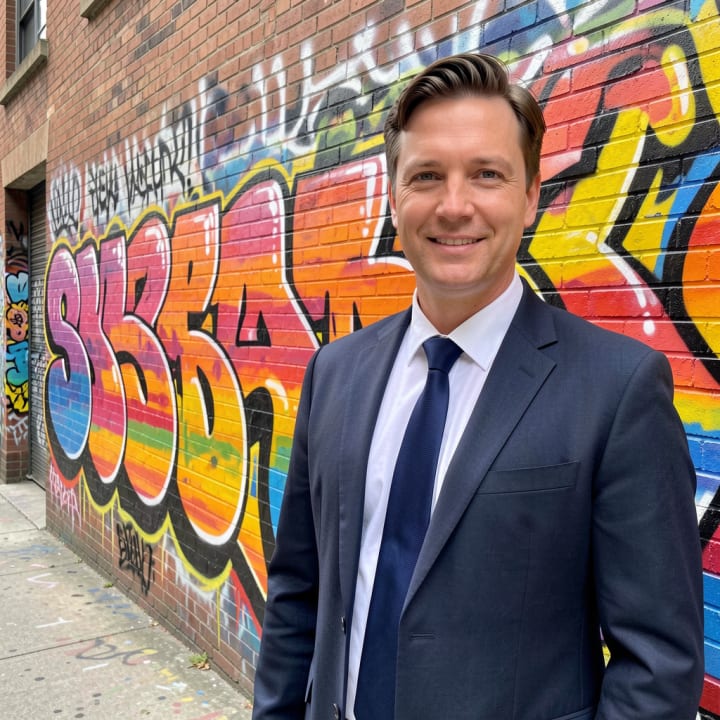
Understanding Local Laws
The legal system generally views unauthorized markings on property as a criminal offense.
While specific statutes vary by city and state, they share core principles:
Definition of Vandalism: Most jurisdictions define vandalism (or "criminal mischief") as the willful or malicious defacement, damage, or destruction of property without the owner's consent.
This includes tags, throw-ups, and elaborate pieces.
Public vs. Private Property:
- Private Property: Painting on a business or home without the owner’s written permission is a crime.
However, with the owner's consent, it is often viewed as a legal mural.
- Public Property: Assets like utility boxes, bridges, and transit systems are owned by the government. Unauthorized art here is almost always prosecuted as a crime against the public.
Potential Penalties:
- Misdemeanors: Typically for damage under a certain threshold (e.g., $400 - $1,000). Penalties may include fines, community service, and up to a year in jail.
- Felonies: If the cost to repair the damage is high (e.g., over $1,000 or $1,500), it can be charged as a felony, leading to prison time and thousands of dollars in fines.
- Enhancements: Penalties often increase for repeat offenders or if the art is placed on religious buildings, schools, or historical landmarks.
Legal Alternatives
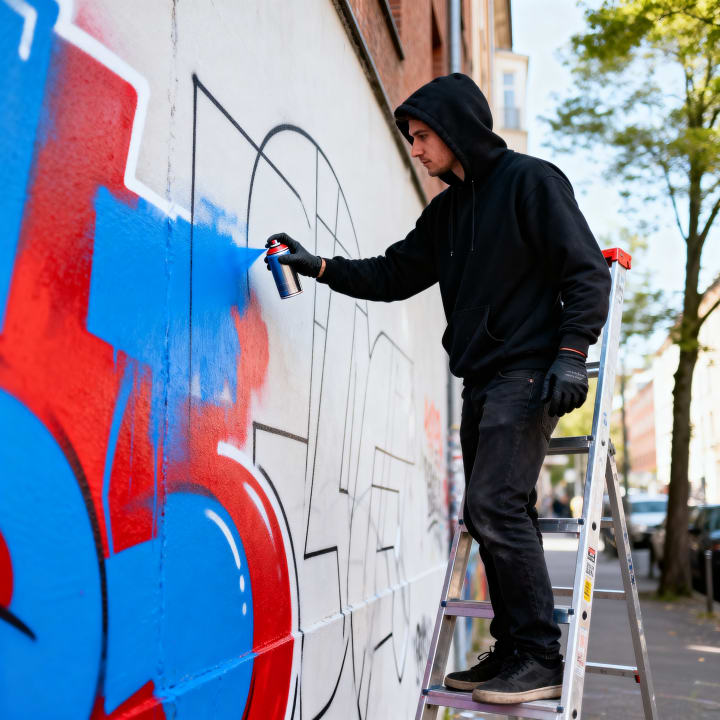
You don't have to risk arrest to paint. There are many ways to showcase your work legally:
- Legal Walls & "Halls of Fame": Many cities have designated "free walls" where artists are permitted to paint without a permit.
- Resource: Use Legal-Walls.net, an open-source database that maps thousands of legal spots worldwide.
- Community Projects & Mural Festivals: Events like Pow! Wow! Or local neighborhood beautification projects offer commissions or sanctioned spaces for artists to work during the day with full community support.
- Business Partnerships: Many local businesses (cafes, record stores, skate shops) welcome high-quality art on their shutters or side walls. Approaching an owner with a portfolio can lead to a "legal spot" that stays up for years.
Best Practices for Artists
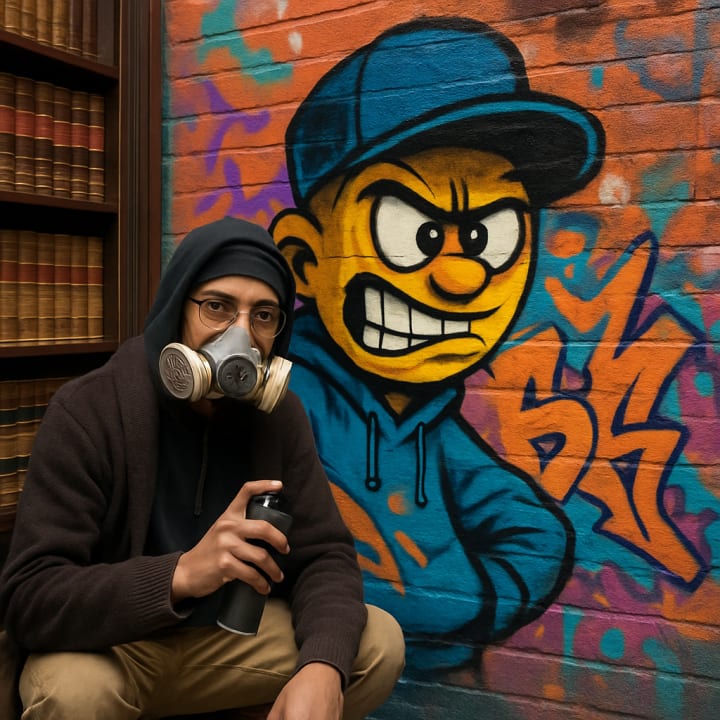
Reducing legal risk is about preparation and professionalizing your approach:
- The "Permission Slip" Strategy: If you have permission from a property owner, get it in writing. Keep a copy of the signed consent and the owner’s contact info on you while painting. This is your "get out of jail free" card if someone calls the police.
- Street Art vs. Graffiti: Legally, the difference is authorization. From a stylistic standpoint, "street art" often involves more pictorial elements (murals, characters) that are more "palatable" to the general public, while "graffiti" focuses on letterforms. Recognizing how the public perceives your style can help you choose the right locations for permission-based work.
- Networking: Join local artist collectives. These groups often have established relationships with city councils and can help you navigate permit processes for large-scale murals.
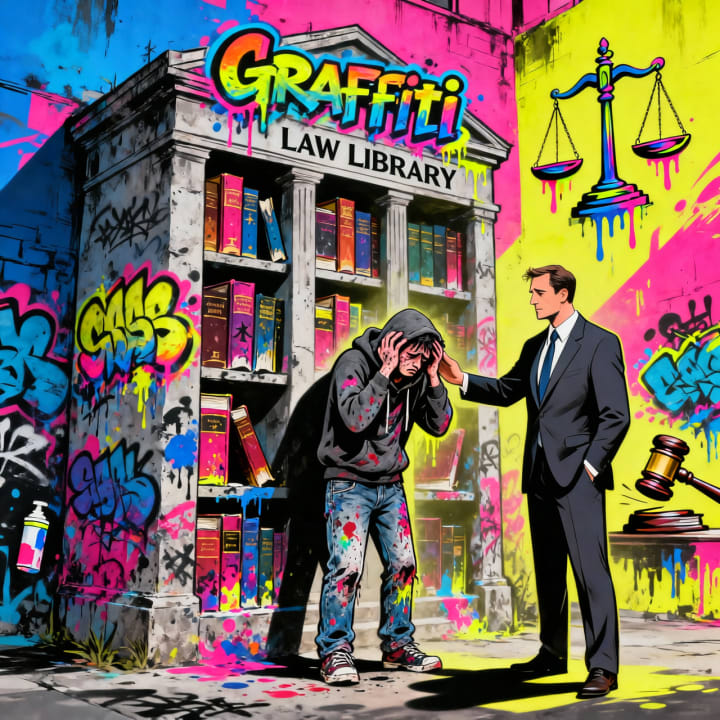
Legal and Community Resources
If you encounter legal issues or want to learn more about your rights, these organizations can help:
- Volunteer Lawyers for the Arts (VLA): Offers pro-bono (free) legal aid and education for low-income artists. They have branches in New York, Cleveland, and other major cities.
- Lawyers for the Creative Arts (LCA): Based in Chicago, providing legal services for Illinois-based artists across all disciplines.
- Arts Law Centre of Australia: A premier resource for Australian artists seeking specialized legal advice.
- Center for Art Law: Provides research and resources on the intersection of art and various legal fields, including copyright for street artists.

Safety and Interaction Tips
Personal Safety
Environment: Urban environments can be hazardous. Wear high-visibility gear if working near traffic, and always use a high-quality respirator mask to protect your lungs from aerosol fumes.
The "Buddy System": Never paint alone in secluded or unfamiliar areas. Having a lookout or a partner ensures someone can call for help in an emergency.
Dealing with Law Enforcement
If you are approached by police while painting:
- Stay Calm: Do not run. This escalates the situation and can lead to additional "resisting arrest" charges.
- Be Respectful: State clearly if you have permission and offer to show your written consent.
- Know Your Rights: You have the right to remain silent. If you are being arrested, you do not have to answer questions about other artists or your past work without a lawyer present.
- Electronic Privacy: In many regions, police may confiscate your phone. Use encryption and be aware that photos or messages on your device can be used as evidence of prior (illegal) work.
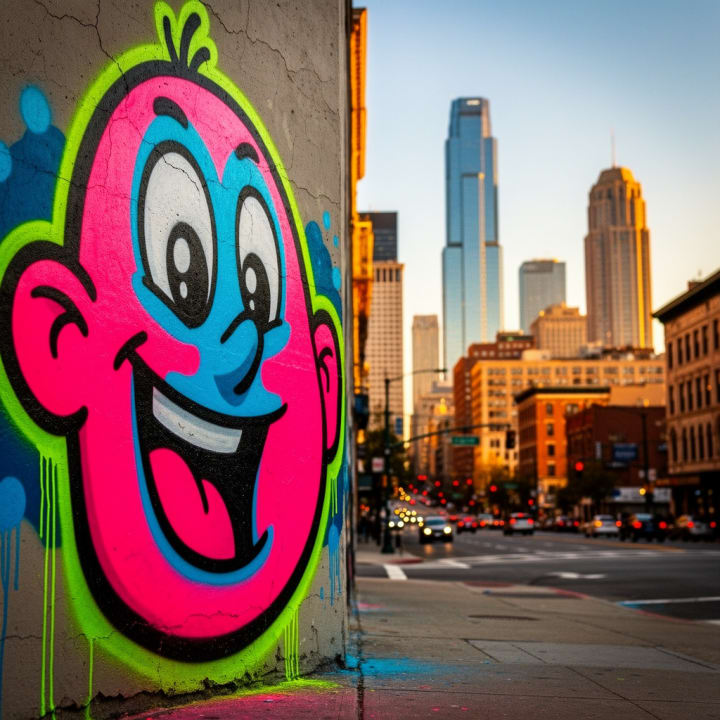
An artist's main aim is to get noticed, and by using legal spaces or areas with permission to make a piece of street art at the same time, one can guarantee that their artwork stays in the city for years instead of being painted over in 24 hours. Respecting the neighbourhood will increase the likelihood of receiving respect from members of the community towards your art, which means it will also be less likely to be damaged or destroyed.
References:
About the Creator
xJRLNx
Im a dude letting out his madness with the help of Ai.
'Till Death We Do Art
There would be nothing divine in this world without art. Nature may surpass the divine to all intents and purposes, but like everything it absorbs and is absorbed by, it remains here, stuck on the surface of this world, ever-present, physically bound to the universe.
By Avocado Nunzella BSc (Psych) -- M.A.P 4 days ago in Art
the Metropolitan Museum of Art
When I was in elementary school I went on a really cool and unforgettable field trip to the Metropolitan Museum of Art in New York City for the first time. It was a fantastic time I wondered around the asian exhibits a great deal as well as through the galleries and it was simply amazing and a fantastic enchancement to the senses. Since then I had gone back also to see an exhibition that featured fine high fashion and couture from Versace as well as other notable fashion designers. Inside this building a lot of magical things have taken place and history upon history has also been made within its hollowed walls.
By Revista Miko:XCI 7 days ago in Art
The Cairn Beside the Lake
And so it came to pass that King Ertharion, Tenth King of Lombaia, stood beside the still lake below unrelenting and unassailable cliffs with the remainder of his harried host. In what was the tenth year of his reign and his forty-fourth upon this great green earth, Menigo the Betrayer, cousin of King Ertharion, pressed home his false claim.
By Matthew J. Frommabout 19 hours ago in Fiction



Comments
There are no comments for this story
Be the first to respond and start the conversation.