
Understanding the Side Effects of Skin Camouflage: What You Need to Know
Understanding the Side Effects of Skin Camouflage: What You Need to Know

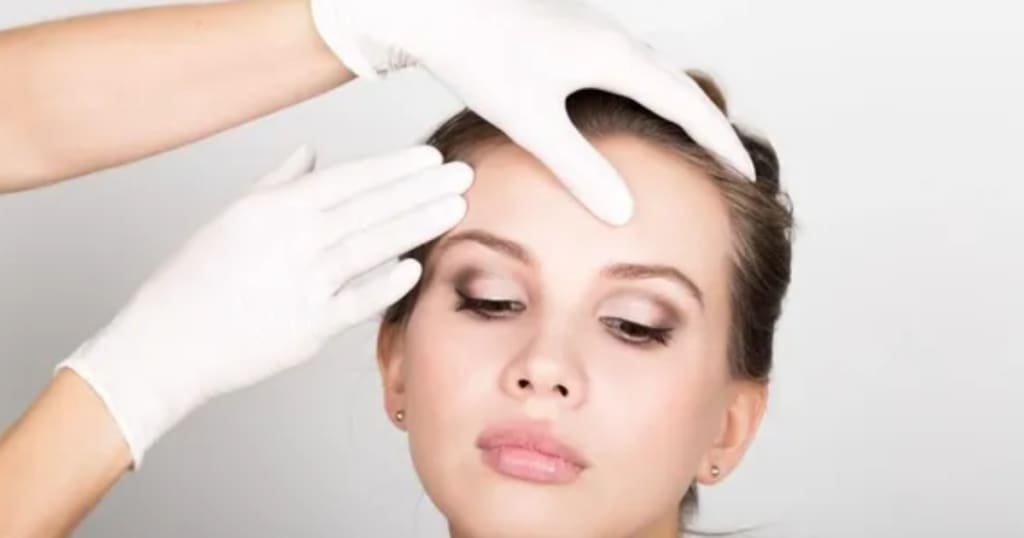
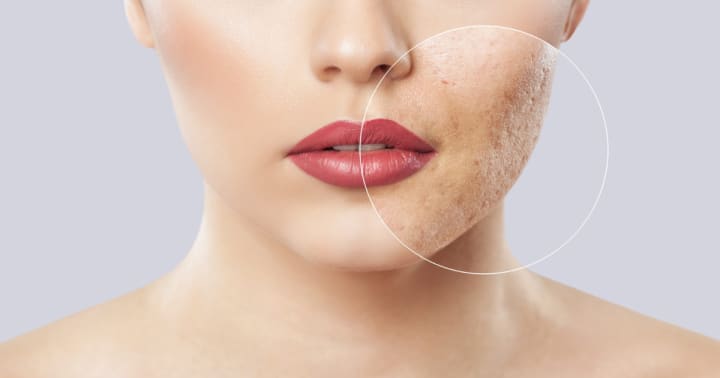
Skin camouflage, particularly medical tattooing, is an increasingly popular method to improve the appearance of compromised skin, such as scars, stretch marks, and other skin imperfections. With its potential to boost confidence and self-esteem, medical tattooing (also known as micropigmentation for scar camouflage) can make a significant difference in the lives of individuals who feel self-conscious about their skin.
However, as with any cosmetic procedure, it's essential to understand the potential side effects, risks, and post-treatment care involved in skin camouflage. In this article, we’ll explore what you need to know before making the decision to undergo medical tattooing, the side effects you might experience, and how to ensure optimal results.
What Is Skin Camouflage?
Skin camouflage refers to a process where specially formulated pigments are applied to areas of the skin that have experienced damage or discoloration. This includes tattoos applied to scars, stretch marks, or other skin conditions to blend them with the surrounding skin tone. The tattooing procedure uses a technique similar to traditional tattooing, but the pigments used are often custom-mixed to match the skin tone.
Medical tattooing is frequently used to address a wide range of skin conditions, such as:
- Scars from surgery, burns, or injury
- Stretch marks from pregnancy, weight changes, or puberty
- Areola pigmentation after breast surgery or mastectomies
- Vitiligo or other forms of skin discoloration
- Alopecia (hair loss) or thinning eyebrows
If you're interested in learning more about the specific benefits and options for scar camouflage, visit Elevate You Studio's Scar Camouflage to get started on your journey toward improved skin appearance and confidence.
How Skin Camouflage Works
The process of skin camouflage involves several key steps to ensure that the pigments are applied accurately and safely. First, the tattoo artist will examine the area to be treated, discussing the skin tone, the nature of the scarring or condition, and the desired result. Using this information, a custom pigment is blended to match the surrounding skin tone, ensuring a natural, seamless appearance.
Once the pigment is selected, the artist uses a specialized tattoo machine with fine needles to deposit the pigment into the skin. This technique, also called micropigmentation, is designed to mimic the natural pattern of skin, providing a realistic appearance. Depending on the complexity of the area being treated, multiple sessions may be necessary.
Common Side Effects of Skin Camouflage
While medical tattooing can yield impressive results, it’s important to be aware of the potential side effects. These effects can vary from person to person based on skin type, the area treated, and the skill of the technician performing the procedure. Let’s explore the most common side effects of skin camouflage treatments.
1. Swelling and Redness
After the procedure, mild swelling and redness around the treated area are common. This is a natural response to the tattooing process, as the skin undergoes minor trauma from the needle. The swelling typically subsides within a few hours to a few days, and any redness should fade as the skin heals.
2. Infection
Any tattooing procedure carries a risk of infection, especially if proper aftercare instructions are not followed. It's crucial to keep the treated area clean and avoid exposing it to bacteria. Infections can lead to complications, such as scarring or pigment irregularities. Signs of infection include increased redness, warmth, pain, or pus. If any of these symptoms appear, it’s important to seek medical attention promptly.
3. Pigment Migration
Sometimes, the pigment used in medical tattooing may migrate from its intended location during the healing process. This can lead to uneven pigmentation or blurry lines. This risk is generally minimized when the procedure is performed by a skilled technician who has experience working with compromised skin.
4. Allergic Reactions
Though rare, some people may experience allergic reactions to the pigments used in medical tattooing. Symptoms can include itching, swelling, or a rash. It's important to discuss any known allergies with the technician before undergoing the procedure. In some cases, a patch test may be recommended to check for allergic reactions.
5. Fading or Discoloration
Over time, tattoo pigments can fade due to various factors, such as sun exposure, skin regeneration, or the natural healing process. If the treatment is performed on an area that experiences frequent friction, such as the knees or elbows, the pigment may wear off faster. Regular touch-ups may be required to maintain the desired result. Also, certain skin conditions, such as oily skin, may cause the pigment to fade faster than it would on drier skin types.
6. Hyperpigmentation or Hypopigmentation
In some cases, the skin may react by producing too much pigment (hyperpigmentation) or too little (hypopigmentation). These conditions can result in areas that appear darker or lighter than the surrounding skin. This is more likely to occur if the skin is too sensitive or if the tattoo is placed too deeply in the dermis. Hyperpigmentation is often a temporary reaction to the procedure, while hypopigmentation may be more permanent.
Minimizing the Risk of Side Effects
While side effects are a possibility, there are several ways to minimize the risks and ensure the best possible outcome from your skin camouflage procedure. Here are some tips to help reduce the chances of experiencing complications:
1. Choose a Qualified Technician
The most important step in ensuring a safe and successful outcome is to select an experienced, licensed professional. A skilled tattoo artist who specializes in medical tattooing and has experience working with compromised skin can reduce the risk of complications. Be sure to check their credentials, reviews, and portfolio of previous work.
2. Follow Aftercare Instructions
Aftercare is crucial to minimize the risk of infection and promote optimal healing. Your technician will provide you with specific instructions, which may include keeping the area clean, avoiding sun exposure, and applying ointments or creams. Be sure to follow these guidelines closely to support the healing process.
3. Avoid Sun Exposure
UV rays can significantly affect the healing process and cause fading or discoloration of the pigment. Avoid sun exposure to the treated area, especially in the weeks following the procedure. Applying a high SPF sunscreen can help protect the skin and maintain the color.
4. Hydrate and Moisturize
Keeping the skin hydrated and moisturized after treatment can speed up the healing process and prevent excessive dryness or cracking, which could affect the appearance of the tattoo. Use products that are specifically designed for post-tattoo care to ensure they are gentle on the skin.
5. Consult Your Doctor
If you have any pre-existing skin conditions, allergies, or concerns, it’s essential to consult your doctor before undergoing skin camouflage. Certain health conditions or medications may affect the healing process or increase the likelihood of side effects. A doctor’s approval ensures that you are a good candidate for the procedure.
Conclusion
Skin camouflage through medical tattooing is a highly effective technique that can transform the appearance of scars, stretch marks, and other skin imperfections. It offers a chance for individuals to reclaim their confidence and feel more comfortable in their own skin. However, it’s essential to understand the potential side effects and risks involved before deciding to undergo this treatment.
By choosing a qualified technician, following aftercare instructions, and managing expectations, you can minimize the likelihood of complications and enjoy the benefits of a smoother, more uniform skin appearance. If you're considering skin camouflage, make sure to consult with a professional who understands the nuances of working with compromised skin, and don't hesitate to reach out to experienced studios such as Elevate You Studio for more information and personalized care.
About the Creator
Elevate You Studio
My name is Gina, I am specialized in tattooing on compromised skin such as scars and stretchmarks to improve their appearance using the latest micro-pigmentation tattoo technique.
https://www.elevateyoustudio.com
Keep reading
More stories from Elevate You Studio and writers in 01 and other communities.
Areola Tattooing Scar Camouflage: Restoring Confidence Through Art
In the realm of restorative procedures, areola tattooing and scar camouflage represent a powerful form of artistry that goes beyond aesthetic appeal. For individuals who have undergone breast surgery—whether due to mastectomy, augmentation, or reconstructive procedures—areola tattooing can play a vital role in restoring a sense of wholeness and confidence. It is a deeply transformative process that not only improves the appearance of the skin but also helps patients regain control over their bodies and identities.
By Elevate You Studio11 months ago in 01
Dr. Collins in The Pitt
Medical dramas have long captured audiences with their mix of emotional storytelling and high-pressure decision-making. Among the newer entries in the genre, The Pitt has emerged as a standout series, praised for its realism and layered characters. One figure who quickly drew attention was Dr. Heather Collins, a physician whose professional strength and personal vulnerability made her one of the show’s most memorable presences.
By Saboor Brohi 4 days ago in 01



Comments
There are no comments for this story
Be the first to respond and start the conversation.