
Understanding Miami-Dade County’s Strict Roofing Codes
Miami Roofing
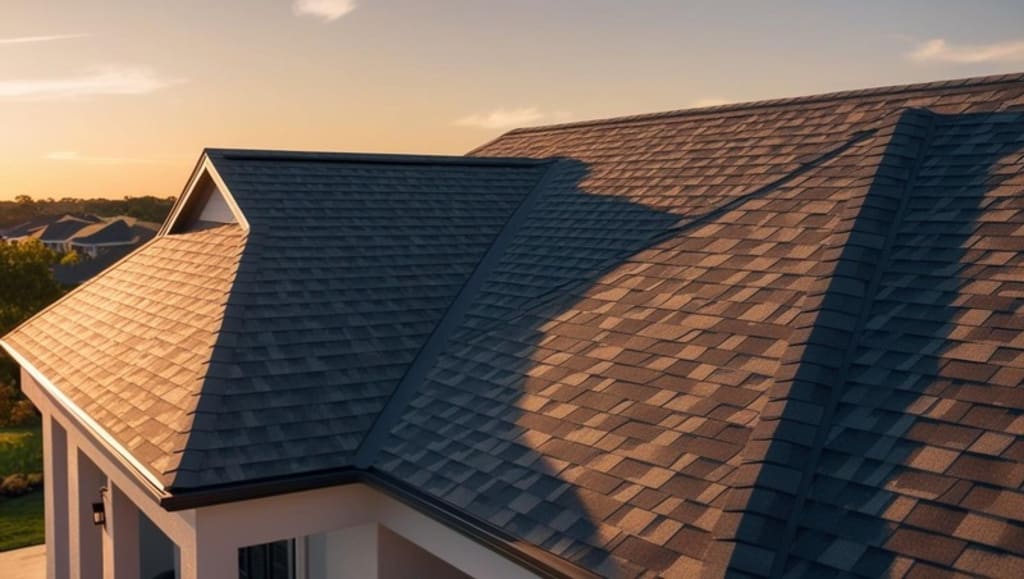
Miami-Dade County’s roofing codes are some of the strictest in the United States, designed to protect homes and businesses from the devastating impact of hurricanes and extreme weather conditions. Whether you’re a homeowner in Coral Gables or a business owner in Downtown Miami, understanding these regulations is essential for ensuring your roof not only stands up to South Florida’s unique climate but also complies with local laws.
In this article, we’ll walk you through Miami-Dade County’s roofing requirements, the Notice of Acceptance (NOA) system, and why working with licensed roofing contractors in Miami who are familiar with the codes is crucial for your project.
What Are Miami-Dade County Roofing Codes?
Miami-Dade’s roofing codes are part of the Florida Building Code (FBC) and were created to address the region's exposure to high winds, heavy rains, and hurricanes. These codes are regularly updated to reflect the latest advancements in roofing materials, technology, and storm-resistant design.
Key elements of the roofing codes include:
- Wind resistance: Roof systems must withstand high winds, with minimum resistance ratings set by the Miami-Dade Building Code.
- Material specifications: Only materials that have been tested and approved for hurricane zones can be used.
- Impact resistance: Roofing systems must be able to endure the impact of flying debris during storms.
- Waterproofing: Roofs must be designed to prevent water penetration from rain and storms, especially during hurricanes.
The Miami-Dade Notice of Acceptance (NOA)
The Notice of Acceptance (NOA) is one of the most important parts of the Miami-Dade County roofing codes. The NOA system certifies roofing materials, products, and systems as compliant with the strict standards required for use in High Velocity Hurricane Zones (HVHZ) like Miami-Dade.
An NOA-approved roof system ensures:
- Impact resistance: The system has been tested for its ability to withstand impact from debris during a hurricane.
- Wind resistance: The system meets the wind speed requirements for the area.
- Waterproofing: The materials have been tested to ensure they can prevent water infiltration.
When planning a roofing project in Miami-Dade, it’s crucial that the roofing materials used are NOA-approved. Failure to comply with these codes can result in fines, project delays, or the inability to pass inspections.
Miami-Dade High Velocity Hurricane Zone (HVHZ)
Miami-Dade County lies within the High Velocity Hurricane Zone (HVHZ), an area defined by the Florida Building Code that requires roofing systems to be able to withstand hurricane-force winds and flying debris. This zone includes coastal areas of Miami-Dade and other counties along Florida's coast.
Wind Resistance Requirements:
- Roofs in the HVHZ must be able to resist winds up to 180 mph or more, depending on the specific location.
- The materials and installation methods must be tested and meet Miami-Dade wind resistance standards.
This is why you’ll often see buildings in Miami-Dade County with metal roofing, concrete tile, or impact-resistant shingles, all of which are designed to handle high wind speeds. These materials are subject to more rigorous testing than roofing systems used in lower-risk areas.
Key Roofing Code Requirements for Miami-Dade
Here are some of the most important elements of Miami-Dade’s roofing codes:
1. Roof Slope and Drainage
Miami-Dade’s roofing codes require roofs to be properly sloped to facilitate water runoff, especially in the heavy rainfall typical during the summer months.
For flat roofs, the codes mandate specific drainage systems to prevent water pooling and flooding. This is critical to prevent leaks and structural damage.
2. Roof Deck Attachment
The roof deck (the base structure of your roof) must be securely attached to the building’s framing to withstand high winds. The fasteners used must meet specific wind uplift resistance standards.
Miami FL roofers must use specified roof-to-wall connections, including hurricane straps or clips to ensure the roof remains anchored during a storm.
3. Fastening and Sealing
Roofing materials, including shingles, tiles, and metal panels, must be fastened securely using hurricane-rated nails or screws. These fasteners must be installed at specific intervals to prevent wind uplift.
Roof edges, ridges, and valleys must be sealed properly to prevent water from seeping in during rainstorms or hurricanes.
4. Impact Resistance
Roofing materials must be able to resist the impact of flying debris, especially during hurricanes. This is why impact-resistant glass or hurricane shutters are recommended along with strong, NOA-approved roofing materials.
5. Waterproofing Systems
Miami-Dade requires waterproofing membranes to be installed as part of the roofing system. This layer prevents water from penetrating the roof and causing mold, rot, and structural damage.
Modified bitumen, TPO, and EPDM are commonly used for flat roofing systems, as they provide a waterproof barrier that can withstand Miami’s heavy rain and humidity.
Why Work with Certified Roofing Contractors?
Miami-Dade County’s roofing codes can be complex, and the regulations are regularly updated to address emerging weather risks. Hiring a certified roofing contractor in Miami ensures that your project will:
- Meet all local building codes and obtain the necessary permits.
- Use NOA-approved materials that comply with high wind resistance standards.
Be installed by experienced professionals familiar with Miami-Dade’s strict requirements.
Additionally, working with licensed contractors ensures that your roof will be inspected and approved by the county, so your property remains safe and compliant.
Permits and Inspections
Before starting any roofing project in Miami-Dade County, you’ll need to obtain the appropriate permits. A licensed contractor will submit the necessary paperwork on your behalf, including roofing permit applications and engineering plans.
Once the roof is installed, inspections will be required at various stages:
- Pre-roofing inspection: Ensures structural components are properly prepared.
- Final roofing inspection: Verifies that the roof has been installed according to code and is secure.
Roof inspections are crucial to ensure that the work meets Miami-Dade's building codes and NOA standards. Without passing these inspections, you cannot legally occupy the building or receive full insurance coverage.
Working with Diamond Certified Contractors
The best way to ensure your roofing project is compliant with Miami-Dade County’s strict codes is to work with a Diamond Certified contractor. Contractors listed in the Diamond Certified Miami-Dade roofing directory have been rigorously evaluated for quality, customer satisfaction, and technical expertise.
These contractors are familiar with the specific challenges of roofing in Miami and can guide you through the entire process, from choosing NOA-approved materials to handling permits and inspections.
Final Thoughts
Miami-Dade’s roofing codes are strict for a reason: they protect your home, business, and investment from the catastrophic effects of hurricanes and severe weather. Whether you're building a new property or replacing an old roof, understanding these codes—and working with professionals who are familiar with them—can save you time, money, and hassle.
Make sure your roofing materials are NOA-approved, your installation meets wind and impact resistance standards, and you work with licensed, experienced roofing contractors in Miami to ensure your project is a success.
About the Creator
Keep reading
More stories from Jared Benning and writers in 01 and other communities.
How to Find a Reliable Roofing Contractor in Arapahoe County
When it’s time for a roof repair or replacement, finding a reliable roofing contractor can be one of the most important decisions you’ll make. A high-quality contractor will ensure your project is completed on time, within budget, and to the highest standards, while cutting corners can lead to costly issues down the road. If you live in Arapahoe County and need roofing services, this guide will help you navigate the process of finding the right roofing professional for your needs.
By Jared Benning9 months ago in 01
How Crypto Trades Happen Away From the Crowd – OTC Exchange
Most people imagine crypto trading as something that happens on bright screens filled with charts, order books, and flashing prices. For retail traders, that picture is mostly accurate. But once trade sizes grow larger, public exchanges are not always the best place to execute them. This is where an OTC crypto exchange quietly plays its role. An OTC crypto exchange allows large trades to happen away from public markets. These trades do not appear instantly on charts, and they do not disrupt visible prices. Understanding how this off-screen trading works helps explain why it exists and who it serves.
By smithtaylor5 days ago in 01
What I Learned About Ecommerce SEO Services While Working With a Mobile SEO Agency?
I didn’t expect a mobile project to change how I thought about ecommerce. At the time, we were dealing with a narrow problem. Our mobile traffic looked healthy, but conversion from phones lagged behind everything else. Desktop behaved one way. Mobile behaved another. The gap kept widening.
By Jane Smith2 days ago in 01



Comments
There are no comments for this story
Be the first to respond and start the conversation.