
The Global Mobile Wallet Market: A Comprehensive Analysis
Durability Meets Design: Growth Drivers, Supply Dynamics, and Green Innovation in Global Hardwood Flooring

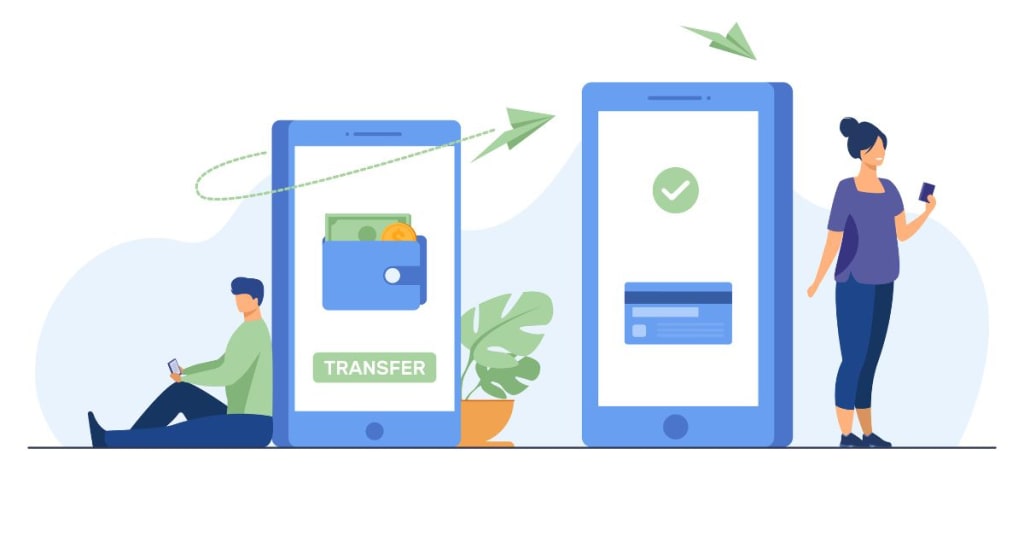
The Mobile Wallet Market is no longer a futuristic concept; it is the current backbone of the global digital economy. As of 2024, billions of users worldwide have transitioned from carrying physical leather wallets to relying on encrypted digital containers on their smartphones. This market, characterized by rapid technological evolution and intense competition between tech giants and traditional banks, is reshaping how value is exchanged, stored, and tracked.
1. Market Definition and Core Functionality
A mobile wallet is a virtual folder that stores payment card information on a mobile device. However, the modern definition has expanded to include:
Peer-to-Peer (P2P) Transfers: Direct money movement between individuals (e.g., Venmo, Cash App).
Mobile Commerce (mCommerce): In-app and mobile browser purchases.
In-Store Payments: Using NFC (Near Field Communication) or QR codes at a physical Point of Sale (POS).
Value-Added Services: Digital storage for boarding passes, loyalty cards, identity documents, and even cryptocurrency keys.
2. Market Drivers: Why Cash is No Longer King
The Smartphone Ubiquity
The primary driver of the mobile wallet market is the saturation of smartphones. With high-speed internet reaching remote corners of the globe, the phone has become a "bank in the pocket," particularly for the unbanked populations in emerging markets.
The Pandemic Catalyst
The COVID-19 pandemic acted as a massive accelerant. The requirement for contactless interactions turned "contactless payment" from a luxury feature into a public health necessity. This behavioral shift has become permanent, with consumers now preferring the speed and hygiene of a "tap" over the handling of physical currency.
Integration of Loyalty and Rewards
Mobile wallets offer a level of personalization that physical cards cannot. By integrating "buy-now-pay-later" (BNPL) schemes, instant cashback, and localized coupons, wallets provide a psychological incentive for consumers to stay within a specific digital ecosystem.
3. Technological Architecture: NFC vs. QR Codes
The global market is divided by the technology used to bridge the gap between the phone and the merchant.
NFC (Near Field Communication)
Predominant in North America and Europe, NFC technology (used by Apple Pay and Google Pay) allows for "tap-to-pay" functionality. It is highly secure, using hardware-based "Secure Elements" to tokenize data, ensuring that the actual credit card number is never shared with the merchant.
QR (Quick Response) Codes
Dominant in Asia (Alipay, WeChat Pay, Paytm), QR codes are low-cost and highly accessible. They do not require expensive POS hardware, allowing even street vendors to accept digital payments with a printed piece of paper. This low barrier to entry is the primary reason for the meteoric rise of digital payments in China and Southeast Asia.
4. The Rise of the "Super App"
The most significant trend in the mobile wallet market is the evolution toward "Super Apps." Instead of being a simple payment tool, apps like Alipay (China), Grab (Southeast Asia), and Mercado Pago (Latin America) offer a consolidated lifestyle ecosystem. Within a single mobile wallet, a user can:
Order groceries and ride-shares.
Pay utility bills and government taxes.
Invest in money market funds or buy insurance.
Message friends and book movie tickets.
This "stickiness" makes it incredibly difficult for traditional banks to compete, as the mobile wallet becomes the primary interface for the user's entire daily life.
5. Regional Market Analysis
Asia-Pacific: The Global Leader
Asia-Pacific remains the largest and most innovative market. China’s transition to a nearly cashless society is a blueprint for the world. In India, the Unified Payments Interface (UPI) has revolutionized the market by allowing interoperability between different wallet providers, leading to record-breaking transaction volumes.
North America: The Battle of the Ecosystems
In the US and Canada, the market is a battle between Device Manufacturers (Apple, Samsung), Software Giants (Google, PayPal), and Retailers (Starbucks, Walmart). While adoption was slower initially due to a robust credit card infrastructure, the integration of mobile wallets into transit systems (like the New York MTA) has significantly boosted daily active usage.
Africa: The Leapfrog Effect
Africa is the world leader in Mobile Money (specifically SMS-based wallets like M-Pesa). By bypassing traditional banking infrastructure, mobile wallets have provided financial inclusion to millions, enabling micro-loans and secure remittances in regions where physical banks are scarce.
6. Security, Privacy, and Regulation
Tokenization and Biometrics
Security is the biggest concern for potential users. Modern wallets use Tokenization, which replaces sensitive card data with a unique identifier (token). Combined with biometric authentication (FaceID, Fingerprint), mobile wallets are statistically more secure than physical cards, which can be easily skimmed or stolen.
Regulatory Challenges
As mobile wallets start behaving like banks (offering interest and loans), regulators are stepping in.
Antitrust: In the EU, Apple has faced pressure to open its NFC chip to third-party developers to ensure fair competition.
Data Privacy: Governments are increasingly concerned about how much "lifestyle data" wallet providers collect on their users’ spending habits.
CBDCs: Central Bank Digital Currencies (like the Digital Yuan) represent a government-backed alternative to private mobile wallets.
7. Future Trends: 2025 and Beyond
Cryptocurrency Integration
The line between "fiat" wallets and "crypto" wallets is blurring. Major players like PayPal and Venmo already allow users to buy, hold, and sell Bitcoin. Future iterations will likely allow for seamless real-time conversion of crypto to fiat at the point of sale.
Biometric-Only Payments
The "Palm Pay" technology being tested by Amazon suggests a future where the mobile device itself might stay in the pocket. Your biometric identity—synced to your mobile wallet—will allow you to pay with a wave of your hand.
AI-Driven Financial Wellness
Next-generation wallets will use Artificial Intelligence to act as financial advisors. They will analyze spending patterns in real-time, suggesting better ways to save or automatically moving "spare change" into high-yield investment accounts.
8. Market Challenges
Interoperability: In many regions, a user cannot send money from one brand of wallet to another, creating "walled gardens."
Cybersecurity Threats: As wallets become more complex, they become bigger targets for sophisticated phishing and social engineering attacks.
Rural Connectivity: The market still struggles in areas with poor 4G/5G coverage, where "offline" digital payment solutions are still in their infancy.
9. Conclusion: The Invisible Economy
The mobile wallet market is moving toward "invisibility." Payments are becoming a background process, integrated so deeply into our devices and social interactions that the act of "paying" is no longer a separate task. For businesses, the mobile wallet is no longer just a payment channel—it is a data-rich marketing tool and a loyalty engine. For consumers, it is the ultimate tool for financial empowerment and convenience.
10. Key Strategic Takeaways
For Retailers: Accept all forms of mobile payment or risk losing the Gen Z and Millennial demographic.
For Banks: Partner with fintechs or risk becoming "dumb pipes" that only hold the money while wallets manage the customer relationship.
For Investors: Look toward infrastructure providers (NFC chip makers, cybersecurity firms) and regional Super App leaders in emerging markets.
About the Creator
Rahul Pal
Market research professional with expertise in analyzing trends, consumer behavior, and market dynamics. Skilled in delivering actionable insights to support strategic decision-making and drive business growth across diverse industries.
How Digital Platforms Are Transforming Pickup and Delivery Services
Introduction Pickup and delivery services have evolved rapidly over the last decade, driven largely by advances in digital platforms. What once depended on phone calls, manual coordination, and limited tracking has now transformed into a seamless, app-driven experience. From local couriers to large-scale logistics providers, digital platforms are redefining how goods move from one place to another. This transformation is not just about convenience; it reflects deeper changes in technology, operations, and customer expectations.
By Nayel Basim Al Shehhi8 days ago in 01




Comments
There are no comments for this story
Be the first to respond and start the conversation.