
The Best Materials for Durable Garden Slabs
Why Material Choice Matters for Long-Lasting Garden Slabs

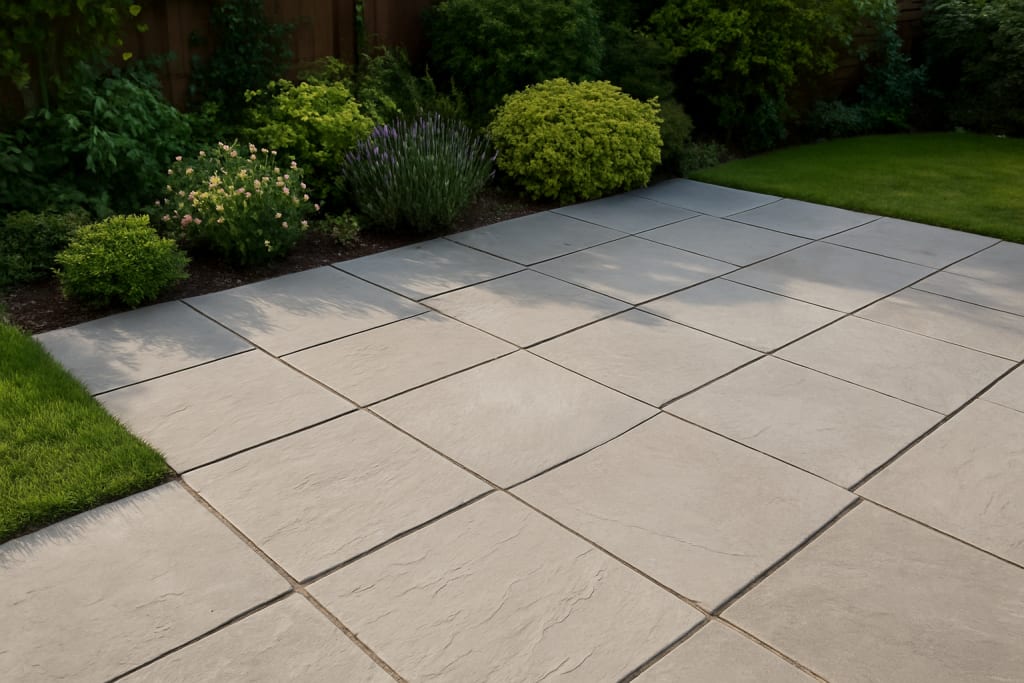
Garden paving does more than shape an outdoor space. It carries furniture, foot traffic, planters, barbecues, children’s toys, and constant exposure to rain, frost, sun, and debris. The right material keeps its structure, colour, and finish for years without constant repair.
Durability in the British climate depends on density, water absorption, and strength. Materials with low porosity resist frost damage, surface flaking, and staining. Dense stone and well-manufactured porcelain cope better with freeze-thaw cycles, which often cause cheaper imports to crack or shift.
Load-bearing capacity also matters. A patio used for dining sets or heavy planters demands slabs that will not flex or fracture under pressure. Quality paving supports weight evenly, reducing the risk of movement over time.
Cost plays a role, yet long-term performance defines real value. Affordable materials that require replacement after a few winters rarely save money overall. Careful selection prevents that cycle.
Indian Sandstone: A Popular Choice for Cheap Garden Slabs
Indian sandstone remains one of the most popular choices for homeowners seeking Cheap Garden Slabs without sacrificing character. Its natural composition delivers strength, subtle variation, and a textured surface that improves grip underfoot.
Each slab carries unique tones, ranging from warm buffs and greys to deeper browns. This variation creates a relaxed, traditional finish suited to patios, paths, and courtyards. The riven texture enhances slip resistance, which proves valuable in damp conditions.
When sourced and graded correctly, sandstone handles seasonal temperature shifts with confidence. Proper sealing reduces staining from organic debris, leaves, or food spills. Regular maintenance keeps colour rich and surface growth under control.
For projects with tighter budgets, sandstone offers an effective balance between price and longevity. Thickness selection plays a part here. Standard 22 mm calibrated slabs suit most patios, provided a solid sub-base supports them. A strong foundation protects against movement, ensuring the surface stays level over time.
Porcelain Paving Slabs for Modern Outdoor Spaces
Porcelain has grown in popularity due to its clean lines, consistent finish, and impressive strength. Manufacturers fire porcelain at high temperatures, creating a dense material with extremely low water absorption. This structure limits staining, algae growth, and frost-related cracking.
Modern gardens often feature smooth grey, beige, or stone-effect porcelain, giving outdoor areas a refined appearance. The surface remains easy to clean, requiring little more than occasional washing to maintain its look.
Slip resistance ratings provide added reassurance. Outdoor porcelain typically includes textured finishes that support safe use in wet conditions. Unlike some natural stones, porcelain does not require sealing, which reduces ongoing maintenance demands.
Many contemporary layouts incorporate larger formats, including Paving Slabs 900 X 600. This size reduces joint lines, creating a streamlined surface that suits open-plan patios. Fewer joints also simplify cleaning and help prevent weed growth.
Porcelain tends to cost more than standard sandstone at purchase. Its longevity, stain resistance, and minimal upkeep offset that difference over time.
Read More: Top 7 Trending Patio Slab Designs for Modern Outdoor Spaces
Limestone and Granite Garden Slabs
Limestone offers a smoother texture than sandstone, delivering a refined appearance without losing natural charm. Its muted tones complement traditional properties, cottage gardens, and structured planting schemes. Regular sealing protects limestone from staining, as it remains more porous than granite or porcelain.
Granite stands out for its density and resilience. It handles heavy traffic areas, driveways, or commercial-style patios with ease. The tight grain structure resists wear, which helps granite maintain a crisp finish even in high-use settings.
Both materials respond well to correct installation. A well-prepared sub-base, accurate joint spacing, and proper pointing determine long-term stability. Professional installation enhances performance, particularly in areas with poor drainage or clay-heavy soil.
Choosing the Right Size and Thickness
Slab size shapes the visual flow of a garden. Larger formats create an open feel, which works well in modern designs. Smaller slabs suit winding paths, compact courtyards, or detailed layouts.
Thickness selection should match the intended use. Standard patio slabs often measure 20 to 22 mm, providing adequate strength for domestic settings. Areas exposed to heavier loads benefit from thicker stone or reinforced porcelain.
Consistency in calibration improves installation speed and accuracy. Calibrated slabs maintain uniform thickness, supporting an even finish across the entire surface.
How to Find Cheap Garden Slabs Without Compromising Quality
Price comparison alone rarely reveals true value. Product grading, density, and supplier reliability shape long-term satisfaction more than headline discounts.
When reviewing Cheap Garden Slabs, consider the following:
- Material type, thickness, and finish
- Water absorption rate and frost resistance
- Calibration for consistent installation
- Delivery service and stock reliability
- Availability of matching edging, circle kits, or accessories
Free UK delivery and clear product guidance simplify the buying process. Established suppliers also provide support, helping customers select materials suited to specific layouts or budgets. Ammaari Stones focuses on quality control, competitive pricing, and reliable nationwide service, supporting projects of every scale .
Durable garden slabs transform outdoor areas into functional, attractive spaces that stand the test of time. Thoughtful material selection ensures that patios, paths, and terraces remain stable, safe, and visually appealing for years to come.
Installation, Maintenance, and Long-Term Performance
Durability does not depend on material alone. Installation quality determines how well any slab performs over time. A stable sub-base, typically formed with compacted hardcore and sharp sand, prevents sinking or shifting. Accurate levelling ensures water drains away from the property, reducing standing water that can cause staining or surface wear.
Jointing also affects longevity. Properly applied jointing compound limits weed growth, stabilises slabs, improves the overall finish. Narrow, consistent joints enhance the appearance of larger formats, particularly porcelain or sawn stone.
Maintenance varies by material. Sandstone and limestone benefit from periodic sealing, which helps guard against stains from leaves, soil, or food. Granite requires less intervention due to its density. Porcelain remains the lowest maintenance option, as its non-porous surface resists moisture absorption.
Routine cleaning keeps any patio in strong condition. Brushing debris away prevents organic build-up, which can cause discolouration. Occasional washing with clean water maintains surface clarity without harsh chemicals.
Matching Materials to Garden Style
Material selection shapes the character of a garden. Traditional properties often suit riven sandstone or softly toned limestone. Their natural variation works well with established planting, brick walls, timber structures.
Contemporary designs favour clean lines, consistent colour, large-format slabs. Porcelain in grey, beige, or stone-effect finishes creates a structured, modern feel. Large rectangular slabs reduce visual interruption across open spaces.
Granite bridges both styles. Its subtle sparkle, strength, crisp edges suit formal layouts, high-traffic patios. Darker granite adds contrast against lighter planting schemes, creating visual depth without overwhelming the space.
Texture also plays a role. Riven finishes offer grip, character. Sawn or smooth finishes present a refined surface that reflects light evenly. Each choice contributes to how the patio feels underfoot, how it appears throughout the seasons.
Budget Planning Without Sacrificing Quality
Outdoor projects require careful budgeting. Material cost forms only part of the total spend. Ground preparation, labour, edging, drainage solutions influence the final figure.
Cheap Garden Slabs often appeal at first glance, yet material quality varies widely. Consistent thickness, minimal surface defects, accurate sizing all indicate better manufacturing standards. Reliable suppliers provide detailed specifications, helping buyers compare products accurately rather than relying on price alone.
Trade accounts, bulk ordering, seasonal promotions can reduce costs while maintaining quality. Free UK delivery further supports value, particularly for heavier materials like natural stone or granite .
A patio represents a long-term investment. Spending slightly more on durable stone or porcelain frequently reduces repair or replacement costs later.
Sustainability and Responsible Sourcing
Many homeowners now consider environmental impact when selecting building materials. Natural stone, when responsibly sourced, offers longevity that reduces replacement frequency. Durable materials lower overall resource consumption over time.
Porcelain production requires high energy input during manufacturing. Its lifespan, minimal maintenance, resistance to chemicals offset some of that impact through extended service life.
Ethical sourcing standards, quality control checks, transparent supply chains provide reassurance. Established suppliers prioritise consistency, ensuring that each batch meets required performance standards.
Final Thoughts on Selecting Durable Garden Slabs
Selecting the right material depends on style preference, budget, expected use. Indian sandstone provides natural character at an accessible price point. Porcelain delivers strength, uniformity, low maintenance. Limestone offers subtle elegance, granite ensures maximum durability.
Careful planning, accurate installation, thoughtful maintenance protect that investment. The result is a patio or pathway that supports everyday use, enhances kerb appeal, and maintains structural integrity year after year.
Durable garden slabs do more than cover ground. They shape how outdoor spaces function, feel, perform through changing seasons. A well-chosen material ensures that the surface remains stable, attractive, ready for daily life.
About the Creator
Ammaari Stones
Ammaari Stones are a leading supplier of bricks, natural stone and porcelain paving to both retail and trade customers throughout the UK.
Keep reading
More stories from Ammaari Stones and writers in 01 and other communities.
How to Maintain Driveway Paving Slabs and Keep Them Looking New
Well-maintained paving sets the tone for the entire exterior of a property. Clean, well-kept surfaces signal care and quality, while neglected slabs quickly lose colour, collect grime, and develop stubborn staining.
By Ammaari Stonesabout 16 hours ago in 01
British Bakery Sales in UK: Growth, and Opportunities
The British bakery sector plays a pivotal role in the UK's food industry, blending time-honoured techniques with contemporary innovation to cater to evolving consumer needs. From the delightful scent of freshly baked goods filling local streets to the ease of online orders, the market has seen notable growth in recent years. This article explores the current state of bakery sales in the UK, highlights key trends shaping the sector, and identifies opportunities for businesses to thrive in this competitive arena.
By Larry Clark4 days ago in 01




Comments
There are no comments for this story
Be the first to respond and start the conversation.