interview
Interviews with visionaries, founders, policymakers and researchers who live at the intersection of technology, business, human behavior and global society.
Don Lemon’s Husband. AI-Generated.
Over the past few years, Don Lemon—renowned journalist and former CNN anchor—has been in headlines for reasons beyond journalism. From his arrest while covering protests to major moments on the red carpet, Lemon’s personal life has also captured public interest. One of the most constant and cherished parts of that life is his relationship with his husband, Tim Malone.
By Saboor Brohi about 2 hours ago in 01
Savannah Guthrie’s Mom. AI-Generated.
Savannah Guthrie is widely known as a trusted face of American journalism. As a longtime co-anchor of Today, she has built a reputation for calm authority, empathy, and professionalism. Yet behind the public figure is a deeply personal story shaped by family, resilience, and the influence of her mother. In recent months, online searches such as “Savannah Guthrie mom missing” have raised questions and confusion, prompting a closer look at who Savannah Guthrie’s mom really is—and why misinformation can spread so easily.
By Saboor Brohi about 22 hours ago in 01
Cher. AI-Generated.
Few artists have reshaped popular music as consistently—or as fearlessly—as Cher. For more than six decades, she has stood at the intersection of reinvention and authenticity, becoming not just a singer, but a cultural force. When conversations turn to award history, influence, and longevity, Cher Grammys moments remain a reference point for how artistic impact can transcend generations.
By Saboor Brohi a day ago in 01
Luther Vandross. AI-Generated.
When people ask who is Luther Vandross, the answer goes far beyond chart positions or award counts. Luther Vandross was one of the most emotionally precise vocalists in modern music history, a singer whose voice carried intimacy, restraint, and deep emotional intelligence. Decades after his peak, his influence continues to echo—especially during Grammy season, when conversations about legacy, excellence, and artistry dominate the cultural space.
By Saboor Brohi a day ago in 01
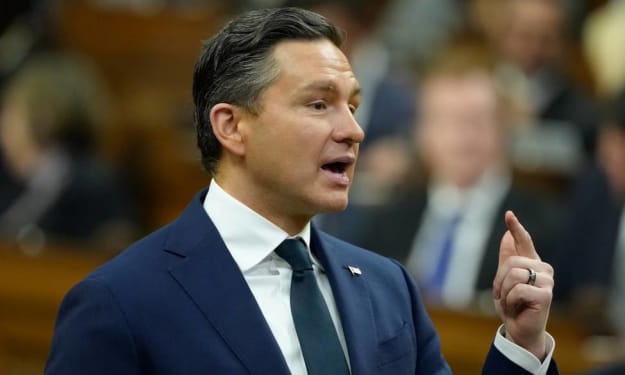
Pierre Poilievre Leadership Vote. AI-Generated.
The Pierre Poilievre leadership vote has become a defining moment for Canada’s Conservative Party, drawing national attention to questions of party unity, strategy, and direction. Leadership reviews are not unusual in Canadian politics, but this particular conservative leadership review carried extra weight because of Poilievre’s high public profile and his role as one of the most outspoken opposition leaders in recent years.
By Saboor Brohi 3 days ago in 01
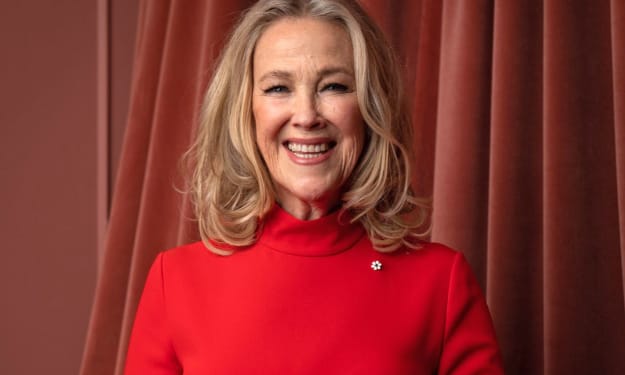
Catherine O’Hara. AI-Generated.
Catherine O’Hara—known for unforgettable performances in Schitt’s Creek, Home Alone, and Beetlejuice—was one of the most respected comedic actors of her generation. As Don Lemon news–style trending headlines often do, sudden celebrity reports can spark confusion and speculation. In this case, many online searches such as “catherine o'hara death,” “did catherine ohara die,” and “how did catherine o’hara die” reflect the public’s desire for accurate information.
By Saboor Brohi 3 days ago in 01
“ICE Out”: Understanding the Nationwide Protests and Planned General Strike in the United States. AI-Generated.
Across the United States, activists, community groups, and labor advocates are preparing for a coordinated wave of demonstrations known as the “ICE Out” protests, paired with a planned nationwide general strike. The movement reflects rising tensions over immigration enforcement policies and highlights a moment of intense national debate about security, human rights, and government authority.
By Saboor Brohi 4 days ago in 01
Dr. Collins in The Pitt. AI-Generated.
Medical dramas have long captured audiences with their mix of emotional storytelling and high-pressure decision-making. Among the newer entries in the genre, The Pitt has emerged as a standout series, praised for its realism and layered characters. One figure who quickly drew attention was Dr. Heather Collins, a physician whose professional strength and personal vulnerability made her one of the show’s most memorable presences.
By Saboor Brohi 4 days ago in 01
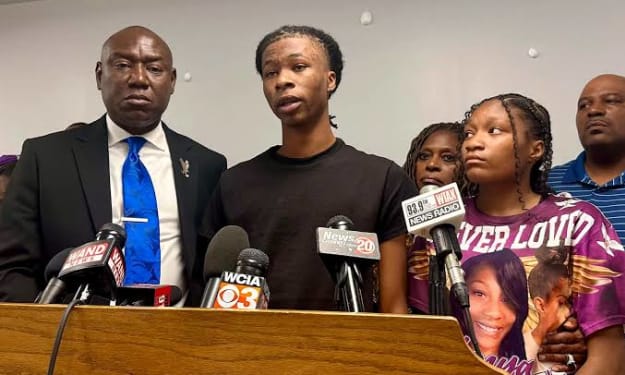
Sonya Massey Shooting. AI-Generated.
The name Sonya Massey has become closely associated with urgent discussions about policing, accountability, and public safety in the United States. Her death, now widely referred to as the Sonya Massey shooting, drew national attention after a routine emergency call ended in violence. The case ultimately led to the conviction of former deputy Sean Grayson, sparking renewed debate about how law enforcement interacts with vulnerable individuals and how justice systems respond when tragedies occur. This article explores what happened, the legal outcome, and the broader social questions raised by the case. Who Was Sonya Massey? Sonya Lynaye Wilburn-Massey was a 36-year-old mother of two living near Springfield, Illinois. On July 6, 2024, she called emergency services because she feared a prowler outside her home. What followed was an encounter that authorities and observers would later scrutinize in detail. Massey was unarmed at the time of the incident. Her death was officially ruled a homicide after she suffered a fatal gunshot wound to the head. The fact that she had sought help moments before the shooting added to public shock and intensified calls for transparency. What Happened the Night of the Sonya Massey Shooting? Deputies, including Sean Grayson, responded to Massey’s 911 call and entered her home after checking the property. Inside the kitchen, an interaction involving a pot of hot water quickly escalated. https://www.cleveland19.com According to reports and body-camera evidence, Grayson ordered Massey to drop the pot. She briefly set it down and ducked behind a counter, but as the tense exchange continued, Grayson fired his weapon, striking her in the face. Grayson later testified that he believed his life was in danger, saying he feared she might scald him. For many observers, the speed at which the situation turned fatal raised difficult questions about judgment, training, and the use of deadly force. Criminal Charges and Trial Following the shooting, Grayson was fired and indicted on multiple charges, including first-degree murder. Prosecutors argued that the use of deadly force was unjustified. The criminal trial began in October 2025. After deliberating for more than 11 hours, a jury convicted Grayson of second-degree murder, a charge that can apply when a defendant claims to have believed they were in danger—even if that belief is considered unreasonable. The verdict reflected the complexity of cases involving perceived threats, officer discretion, and legal standards for self-defense. Sean Grayson Sentenced In January 2026, Sean Grayson received a 20-year prison sentence, the maximum penalty allowed for second-degree murder in Illinois. During the hearing, Grayson expressed remorse and acknowledged making serious mistakes. However, members of Massey’s family reportedly felt the sentence was insufficient, having hoped for a conviction that carried a life term. The case also resulted in a federal inquiry, a multimillion-dollar civil settlement with the family, and policy changes emphasizing transparency in police hiring and de-escalation training. Public Reaction and Policy Impact The Sonya Massey shooting quickly became a symbol within the broader national conversation about police conduct. Protests, advocacy campaigns, and legal reviews followed the incident. Beyond public demonstrations, the case influenced institutional reform. Officials implemented measures requiring stronger background checks for officers and improved data collection on use-of-force incidents. These steps suggest that while individual cases often begin as local tragedies, their consequences can shape policy far beyond a single community. Mental Health and Emergency Response Reports indicated that Massey had a history of mental health struggles. This detail has prompted experts and advocates to question whether traditional law enforcement responses are always appropriate for situations involving psychological distress. The Washington Post Across the United States, some municipalities have begun experimenting with crisis-response teams that pair officers with mental health professionals or send specialized responders instead of police when possible. Although approaches vary, the goal is consistent: reduce the likelihood that vulnerable individuals face dangerous outcomes during emergency calls. The Massey case underscores why such discussions continue to gain urgency. The Human Cost Behind the Headlines High-profile cases often become defined by court decisions and policy debates, yet their deepest impact is personal. Massey’s children must now grow up without their mother—a reality frequently emphasized by relatives seeking accountability and remembrance. For families affected by similar incidents, justice is not measured solely in legal terms. It is also reflected in whether meaningful change follows. A Case That Continues to Resonate The conviction of Sean Grayson is considered notable because criminal accountability for on-duty officers remains relatively uncommon. Still, the case leaves unresolved questions about training, risk assessment, and how quickly encounters can spiral beyond control. Axios As communities evaluate the lessons from the Sonya Massey shooting, the broader challenge remains balancing officer safety with the protection of civilians—especially those who reach out for help. Conclusion The story of Sonya Massey is ultimately about more than a single event. It is about trust between citizens and institutions, the responsibilities carried by those in positions of authority, and the ongoing effort to prevent avoidable tragedies. While the legal process has reached a milestone with Sean Grayson’s sentencing, the conversation it sparked is far from over. Policymakers, law enforcement agencies, and communities continue to grapple with how to ensure that emergency responses provide safety rather than escalate risk.
By Saboor Brohi 4 days ago in 01