
Quartz Crushing Machine Safety Measures: Minimizing Operational Risks
Quartz crushing machines require safety measures, PPE, dust control, training, and emergency plans to minimize operational risks and ensure efficiency.

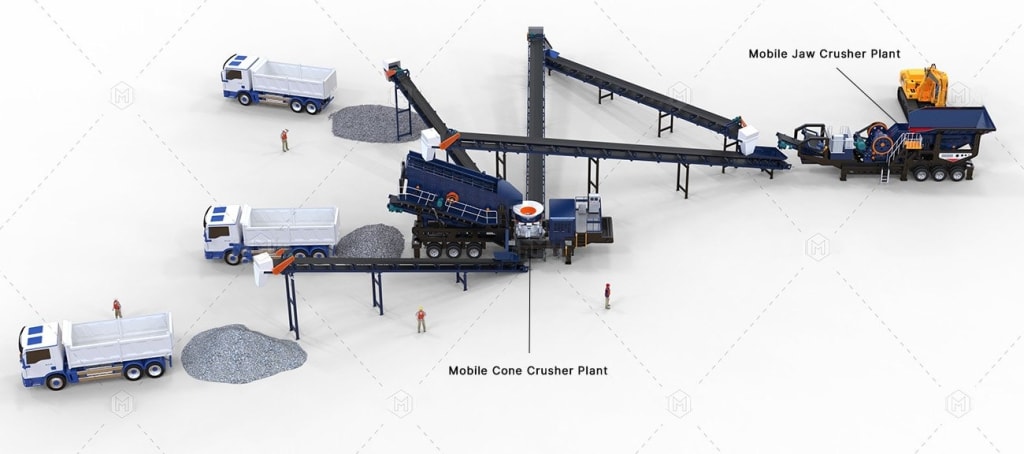
Quartz crushing machines are essential in mining, construction, and industrial applications, as they efficiently break down quartz into usable sizes for further processing. However, like all heavy machinery, these machines pose significant operational risks if safety measures are not properly implemented. Ensuring the safety of operators, technicians, and nearby personnel is crucial not only for human well-being but also for maintaining consistent productivity and minimizing costly downtime. This article explores key safety measures and best practices to minimize risks while operating quartz crushing machines.
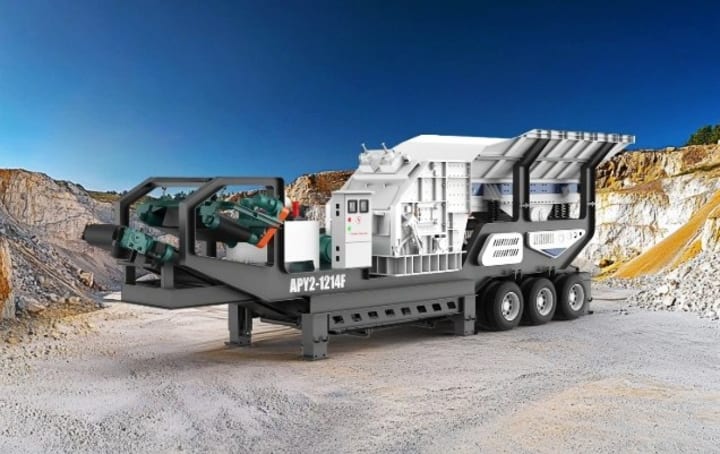
Understanding the Hazards
Before implementing safety protocols, it is critical to understand the potential hazards associated with quartz crushing machines. Common risks include:
Mechanical Hazards: Crushing machines involve moving parts such as rollers, jaws, and belts that can cause severe injuries if operators get too close or if proper guarding is absent.
Dust and Respiratory Risks: Crushing quartz generates fine dust particles that can cause silicosis, a serious lung disease, if inhaled over prolonged periods.
Noise Exposure: High-decibel operations can lead to hearing loss if adequate hearing protection is not used.
Electrical Hazards: Most modern quartz crushing machines rely on high-voltage electrical systems, which pose risks of shocks or fires if not maintained properly.
Operational Errors: Human errors such as overloading, improper feeding, or bypassing safety mechanisms can trigger accidents.
Recognizing these hazards is the first step toward creating a safe operational environment.
Implementing Physical Safety Measures
Physical safety measures are fundamental to protecting operators and maintenance staff. These include:
Machine Guarding: All moving parts should have proper guards or barriers to prevent accidental contact. This includes belts, pulleys, gears, and crusher equipment themselves.
Emergency Stop Buttons: Strategically placed emergency stops allow operators to quickly shut down the machine in case of unexpected incidents.
Warning Signs and Labels: Clear, visible warning signs indicating high-risk areas, pinch points, or hot surfaces help prevent accidental injuries.
Stable Machine Foundation: Ensuring the quartz crushing machine is installed on a stable, level foundation prevents vibrations and potential tipping hazards.
Regular Maintenance: Preventive maintenance reduces the risk of mechanical failures that could lead to accidents, including lubrication, part replacement, and inspection of critical components.
Personal Protective Equipment (PPE)
Proper personal protective equipment is a cornerstone of safety. Operators should be equipped with:
Respirators or Dust Masks: To protect against inhalation of silica dust.
Hearing Protection: Earplugs or earmuffs to reduce exposure to loud operational noise.
Gloves and Protective Clothing: To minimize risk of cuts, abrasions, or chemical exposure.
Safety Helmets: To protect against falling debris in the work area.
Steel-Toe Boots: To prevent foot injuries from heavy equipment or falling rocks.
Enforcing PPE usage consistently ensures that even if hazards are present, their impact on human health is minimized.
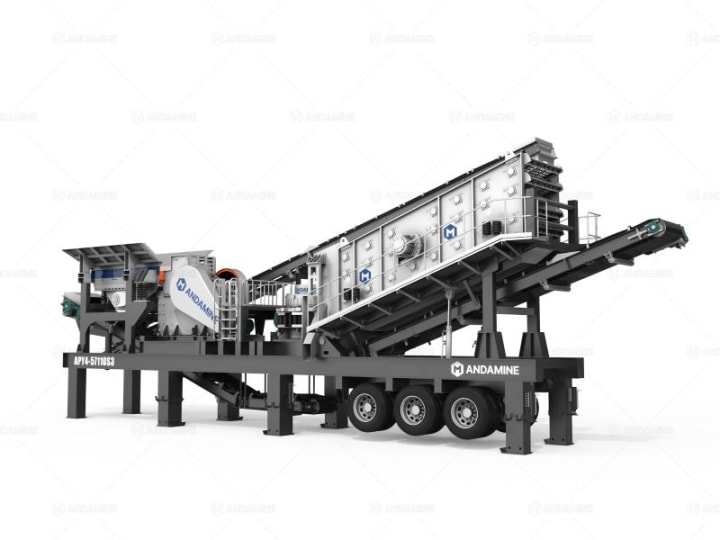
Operational Safety Practices
Safe operation involves a combination of training, procedures, and real-time monitoring:
Operator Training: Every operator should be trained in machine operation, emergency procedures, and hazard recognition. Proper understanding reduces human error significantly.
Load Management: Avoid overloading the crushing machine, as excessive material can cause jams, mechanical stress, or ejection of rocks.
Controlled Feeding: Feed materials evenly and at appropriate speeds to prevent sudden spikes in machine stress.
Monitoring Systems: Modern machines can include sensors that detect overheating, blockages, or excessive vibration, allowing operators to act before accidents occur.
Clear Work Zones: Keep the area around the machine free of unnecessary personnel, tools, or debris to reduce tripping and collision risks.
Dust and Environmental Controls
Silica dust is a serious long-term health hazard. Implementing environmental controls reduces airborne particles:
Water Sprays and Mist Systems: Suppress dust at the point of crushing by keeping particles wet.
Dust Extraction Units: High-efficiency vacuum and filtration systems can capture dust before it disperses into the work area.
Ventilation: Ensure adequate airflow in enclosed crushing environments to dilute and remove dust.
Regular Housekeeping: Routine cleaning prevents accumulation of dust that could become airborne or pose a fire hazard.
Emergency Preparedness
Even with preventive measures, emergencies can occur. Preparedness ensures quick and effective responses:
Emergency Response Plan: Establish clear procedures for injuries, fires, electrical faults, or mechanical failures.
First Aid Kits and Training: Ensure staff are trained to provide immediate first aid and that supplies are accessible.
Communication Systems: Use radios, alarms, or signals to alert operators and nearby personnel of urgent situations.
Periodic Drills: Conduct regular safety drills to ensure everyone knows their role in an emergency.
Conclusion
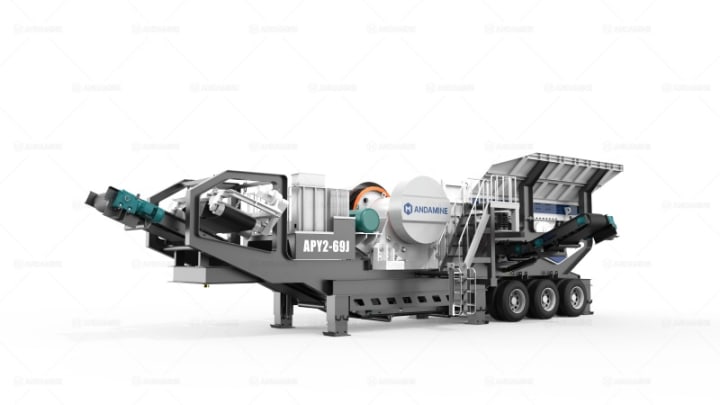
Quartz crushing machines are indispensable in modern industrial operations, but they come with inherent risks that require careful management. By combining robust physical safeguards, personal protective equipment, operational training, dust control measures, and emergency preparedness, companies can minimize accidents and protect their workforce. Investing in safety not only ensures compliance with regulations but also enhances machine efficiency, reduces downtime, and fosters a culture of responsibility. A commitment to safety is a commitment to sustainable, productive quartz processing operations.
About the Creator
Andamine
Andamine is dedicated to offering customized crushing equipment solutions tailored to meet the diverse needs of our clients’ projects, helping you achieve efficient, sustainable, and cost-effective production goals.
Top CRM Software Development Companies in 2026
## **Introduction** Customer Relationship Management (CRM) software has become essential for businesses aiming to improve customer engagement, streamline sales pipelines, and enhance operational efficiency. In 2026, CRM platforms are no longer limited to contact management—they now integrate artificial intelligence, predictive analytics, automation workflows, omnichannel communication, and cloud-based scalability.
By Nayel Basim Al Shehhiabout 16 hours ago in 01



Comments
There are no comments for this story
Be the first to respond and start the conversation.