
Oops — Apple Leaked Its Future
Code crumbs point to Vision Pro 2, a Studio Display reboot and a chip refresh

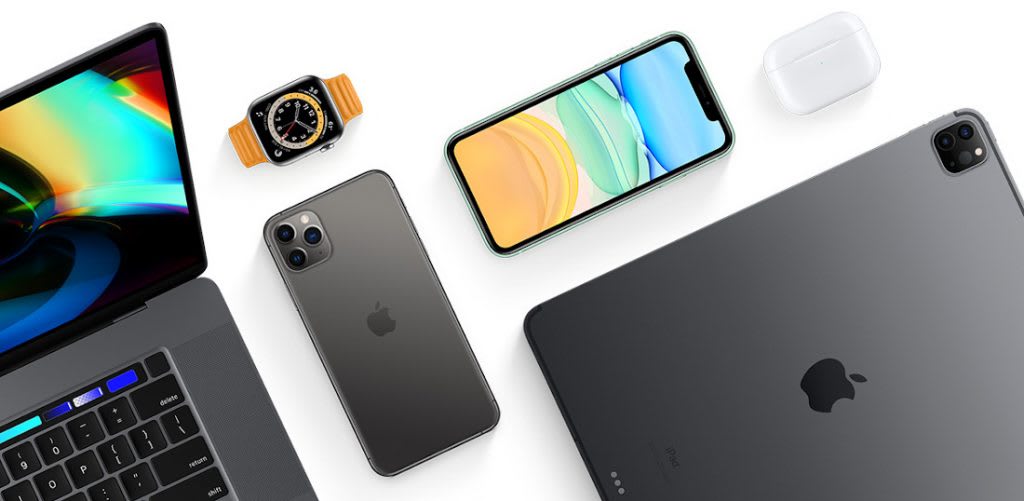
Imagine Apple accidentally left a detailed shopping list for 2025 out in the open — not on a keynote stage, but buried inside a software package that researchers could read. That’s precisely what happened: a developer tool briefly made available contained device identifiers and chip names that point to an unusually broad slate of unreleased Apple hardware, from a next-generation Vision Pro headset to a Studio Display refresh and multiple iPad and Apple TV variants. The discovery, first flagged by Fortune and amplified by trackers who parsed the code, reads like a near-term product roadmap leaked without intention.
Leaks are gossip until corroborated; this one carries unusual weight because independent trackers found repeating identifiers across multiple builds and then matched those strings to likely silicon families. Most consequentially, the evidence strongly suggests a Vision Pro successor powered by an M5 chip — a step up in compute that would move Apple’s mixed-reality ambitions from exploratory halo product toward a platform capable of richer experiences and longer software horizons. If true, an M5-equipped Vision Pro 2 would not be a minor refresh; it would be Apple doubling down on the headset as a living platform rather than a single-year experiment.
The code dump doesn’t stop at headsets. References to a codename (J427) tied to an apparent Studio Display successor indicate Apple may be testing a monitor with more internal compute than previous models. That shifts the Studio Display’s role in professional workflows — from a smart accessory to something closer to an integrated creative workstation. If Apple outfits a display with higher-end silicon and tighter system integration, pro creatives and studios could treat the monitor as an endpoint for heavier GPU workloads or on-display edge processing, altering desktop procurement cycles and pro app requirements.
Alongside the high-profile items, the code points to a scatter of A- and S-class chip bumps: A19 Pro and A18 references for iPad variants, A17 Pro for a refreshed Apple TV 4K, and upgraded SoCs for HomePod mini and new watch models. These are incremental at face value, but collectively they matter. A coordinated refresh across phones, tablets, set-tops and audio devices creates a fresher silicon baseline for developers and services — everything from more advanced AR features and AI-assisted editing to higher-fidelity gaming experiences that monetize through subscriptions like Apple Arcade and Apple TV+. In short, the hardware pipeline feeds Apple’s services flywheel.
Practical implications split across three audiences. For investors, the leak signals Apple is not letting up on product cadence even as macro pressures reshape consumer demand; sustained device refreshes tend to stabilize services revenue growth by renewing engagement. For developers, early signs of more powerful chips across displays, headsets and tablets recommend a roadmap of app optimization and new feature experiments — think visionOS apps that assume M-class performance, or iPad apps that leverage A19 Pro horsepower for pro-grade creative tools. For enterprise and channel partners, this is a cue to reconsider inventory, trade-in windows and enterprise rollout plans that often hinge on predictable Apple upgrade cycles.
A healthy share of caveats is necessary. Code identifiers are a strong signal but not an ironclad promise: Apple occasionally tears up internal prototypes or changes strategy before shipping; likewise, the presence of chip names in testing artifacts can reflect parallel engineering work rather than a committed product. Nonetheless, the convergence of multiple trackers parsing the same files raises confidence beyond a single rumor. For any market watcher, that level of corroboration moves the story from curiosity to an operationally relevant signal.
Beyond the near-term product implications, the leak exposes a broader governance issue: in a company that tempts speculation as a marketing strategy, accidental disclosures become self-inflicted PR headaches. Apple will need to act fast — patch the code, control the narrative, and then, strategically, convert leak curiosity into a choreographed rollout that recaptures attention on Apple’s timetable. That playbook matters because the market rewards narrative control; Apple’s product reveals are as much an exercise in timing as they are in technology. The firm that famously orchestrates stagecraft cannot afford to let its roadmap become a puzzle for competitors and suppliers.
Looking at competitive dynamics, an M5-class Vision Pro would put Apple on firmer footing against VR/AR rivals that have leaned on modular or PC-tethered compute. Greater onboard GPU muscle — potentially enabling hardware ray tracing and richer spatial rendering — widens the playbook for developers and games that currently target high-end PCs. For Apple’s pro monitor ambitions, a Studio Display with built-in compute blurs the line between peripheral and workstation — a move that could spur rivals to rethink monitor value propositions and integration with cloud and local compute.
What should readers watch next?
- First, Apple’s patches and follow-ups: a quiet confirmation or speedy removal reveals intent behind the leak.
- Second, filings and component orders: supply chain moves often give away launch cadence.
- Third, developer documentation updates and SDK changes: these are the earliest reliable indicators that Apple intends to support new hardware capabilities publicly.
Finally, watch Apple’s own stagecraft — when the company next takes the mic, it will try to turn this stumble into a curated narrative that emphasizes readiness, performance and ecosystem value.
Leaks like this are journalism gold because they let us read between the lines of corporate strategy: Apple’s pipeline appears to be simultaneously hedging high-risk platform builds and refreshing the bread-and-butter hardware that powers its long-term services thesis. Treat this code leak as a high-confidence map with margin for error — act on the signal, but expect Apple to refine the story on its own terms. If the leaked identifiers bear out in shipping products, late 2025 into 2026 will be a consequential window for Apple’s hardware and services narrative — and for anyone who builds businesses on the strength of Apple’s platforms.
This accidental reveal is more than an embarrassment — it’s a high-confidence signal about Apple’s near-term priorities: platform bets, a coordinated silicon refresh, and fresh services opportunities. Treat the code crumbs as an actionable lead (not gospel): watch for rapid firmware patches and beta removals, new SDK/Xcode commits and developer documentation updates, supplier component purchase orders and shipping notices, FCC filings or regulatory disclosures, and Apple job postings tied to specific product teams. For investors, developers and channel partners the instruction is simple — align roadmaps to M- and A-class capabilities, adjust inventory and trade-in timing, and be ready to move the moment Apple reclaims the narrative on its own stage.
About the Creator
Asif Siddiqui
I am a passionate technology enthusiast with over 10 years of experience in digital media. My love for innovative tech fuels my mission to deliver the most relevant news and insights.
Keep reading
More stories from Asif Siddiqui and writers in 01 and other communities.
Flip the Script: How the Galaxy Z Flip 7 Revolutionize the Smartphone Experience
Nothing feels more cinematic in mobile than snapping the Samsung Galaxy Z Flip 7 open with a single flick and revealing its sweeping 6.9-inch Dynamic AMOLED 2X main display that spills edge to edge like liquid light, delivering an immersive canvas for everything from streaming to spreadsheets. Paired with a 4.1-inch FlexWindow cover screen that boasts a 120 Hz refresh rate and peak brightness north of 2,500 nits, this foldable turns every glance—be it at a quick notification or live camera preview—into a premium interaction. The Flip 7’s refined hinge mechanism and gapless Armor Aluminum chassis ensure that opening and closing the phone feels as sturdy as it looks futuristic
By Asif Siddiqui6 months ago in 01
How Snapchat Accounts Are Hacked: The 2026 Guide to Crack & Protection
Snapchat Security Exposed: How Accounts Are Compromised and How to Lock Them Down Most account hacking techniques rely on the use of application. PASS DECODER is one of the tools designed to hack Snapchat passwords. This program was developed by security engineering specialists. It incorporates sophisticated AI algorithms capable of hacking the password for any Snapchat account within minutes. Moreover, it was created to be usable by anyone, even without advanced hacking skills.
By Alexander Hoffmann6 days ago in 01
“ICE Out”: Understanding the Nationwide Protests and Planned General Strike in the United States
Across the United States, activists, community groups, and labor advocates are preparing for a coordinated wave of demonstrations known as the “ICE Out” protests, paired with a planned nationwide general strike. The movement reflects rising tensions over immigration enforcement policies and highlights a moment of intense national debate about security, human rights, and government authority.
By Saboor Brohi 7 days ago in 01




Comments
There are no comments for this story
Be the first to respond and start the conversation.